For many of us, the internet is a convenience. It’s streaming movies, scrolling social feeds, or maybe a side hustle. But for a young person waking up in a township, a favela, or a remote village where opportunity is a scarce commodity, the internet isn’t about convenience—it’s about survival. And in the brutal calculus of online income, one path is shining a stark, revealing light on the path out: livestreaming.If you’re from a very poor country, the classic online money-making advice often feels like a cruel joke. “Learn to code!” they say, ignoring the rolling blackouts and the single shared laptop for a family of five. “Start a dropshipping business!” they suggest, as you navigate impossible import tariffs and non-existent local banking infrastructure. “Sell your digital expertise!” they proclaim, while you fight for a stable internet connection. These avenues aren’t just uphill battles; they’re designed for economies with reliable systems already in place.Livestreaming is different. It bypasses the systemic barriers with a revolutionary simplicity: all you need is a story, a basic smartphone, and a sliver of connectivity. It is the great equalizer of the digital age. Your background, which the formal economy might see as a disadvantage, becomes your unique asset on a live stream. Your daily reality is someone else’s fascinating window into a world they’ve never seen.The magic lies in its directness. There are no clients to invoice who might ghost you, no complex payment gateways that exclude your country. A viewer in another hemisphere, captivated by your cooking over an open fire, your tour of a bustling local market, your skill at crafting something from nothing, or even just your genuine conversation, can send a digital “tip” in real-time. That micro-payment, trivial to them, can represent a day’s food for you. It is immediate, visceral, and human. It turns empathy and curiosity into a direct economic transaction.This isn’t just about entertainment. It’s about documentation and skill-sharing. A farmer live-broadcasting his techniques, a musician playing traditional instruments to a global audience, a student practicing a new language with native speakers—these are not just streams; they are economic acts. Platforms like YouTube, TikTok, and Twitch have built these global villages where currency flows across borders with a tap, following the magnetic pull of authenticity.The hurdles, of course, are real. Data costs can devour earnings. The pressure to perform is relentless. The online world can be fickle and harsh. But compared to the brick wall of traditional online work—which demands high-skill certifications, stable infrastructure, and financial systems that simply don’t include you—livestreaming is an open door. It rewards what you already have: your life, your resilience, your perspective.For the ambitious young person in a place the world has written off, the camera on your phone isn’t just a tool. It’s a storefront, a stage, and a passport. It’s a way to export your reality, your talent, and your personality to a global audience ready to support you, not out of charity, but because you offer them something genuine.Livestreaming won’t solve systemic poverty. It won’t fix crumbling infrastructure. But it does something perhaps more powerful in the short term: it places agency back into individual hands. It says your story has value. Your smile has value. Your knowledge of your own world has immense value. And in an economy that has told you otherwise your whole life, that revelation—and the ability to monetize it directly—isn’t just a best shot. For countless people right now, it’s the only shot that makes sense. And they are taking it, one stream at a time, building a future the world never planned to give them.
Related Posts
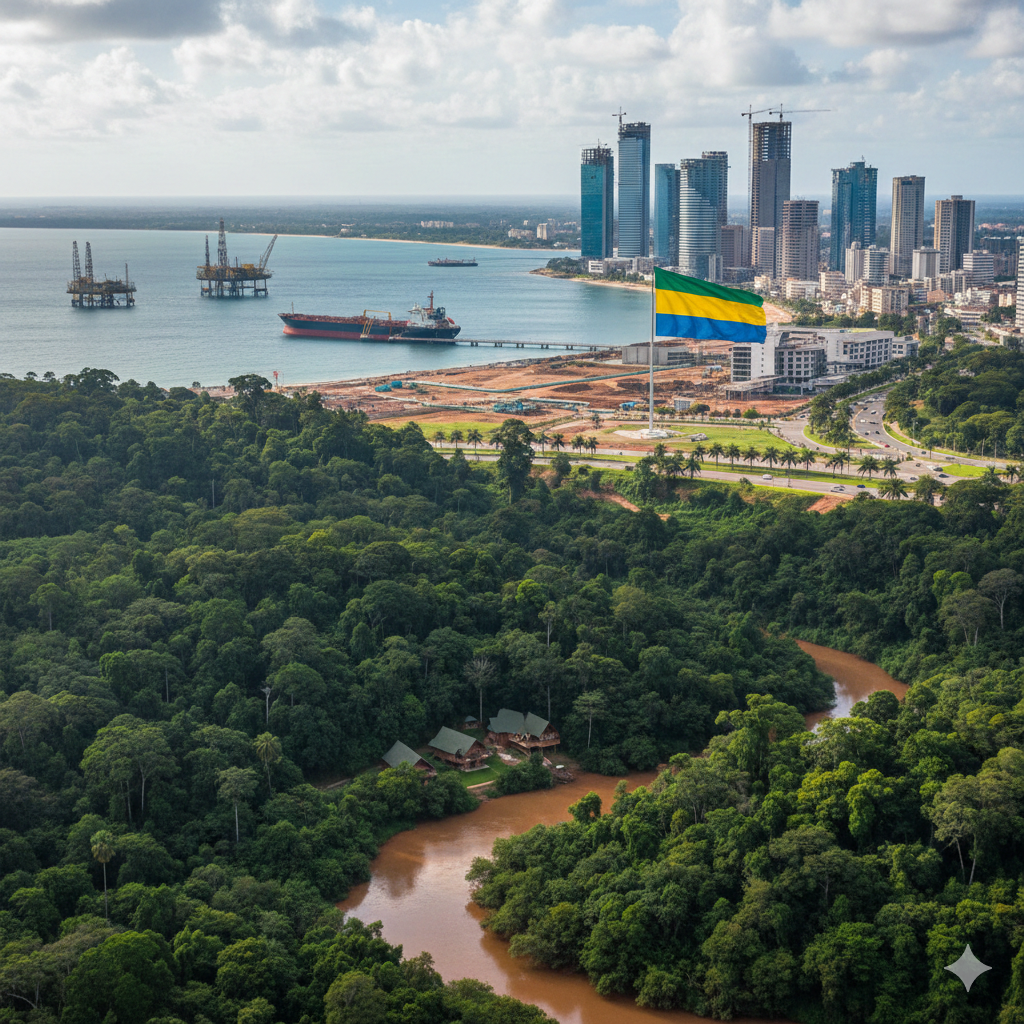
Gabon: A Nation of Forests, Oil, and Economic Transformation
Nestled on the Atlantic coast of Central Africa, Gabon presents one of the continent’s most intriguing economic paradoxes. This nation…
Dating Outside of Your Race
The first time you walk into a room where nobody shares your pigment, your accent, or your grandmother’s spice rack,…
The Billion-Dollar Question: Why Search Engines Are So Expensive
When you type a query into Google and get results in milliseconds, it feels almost magical. But behind that simple…