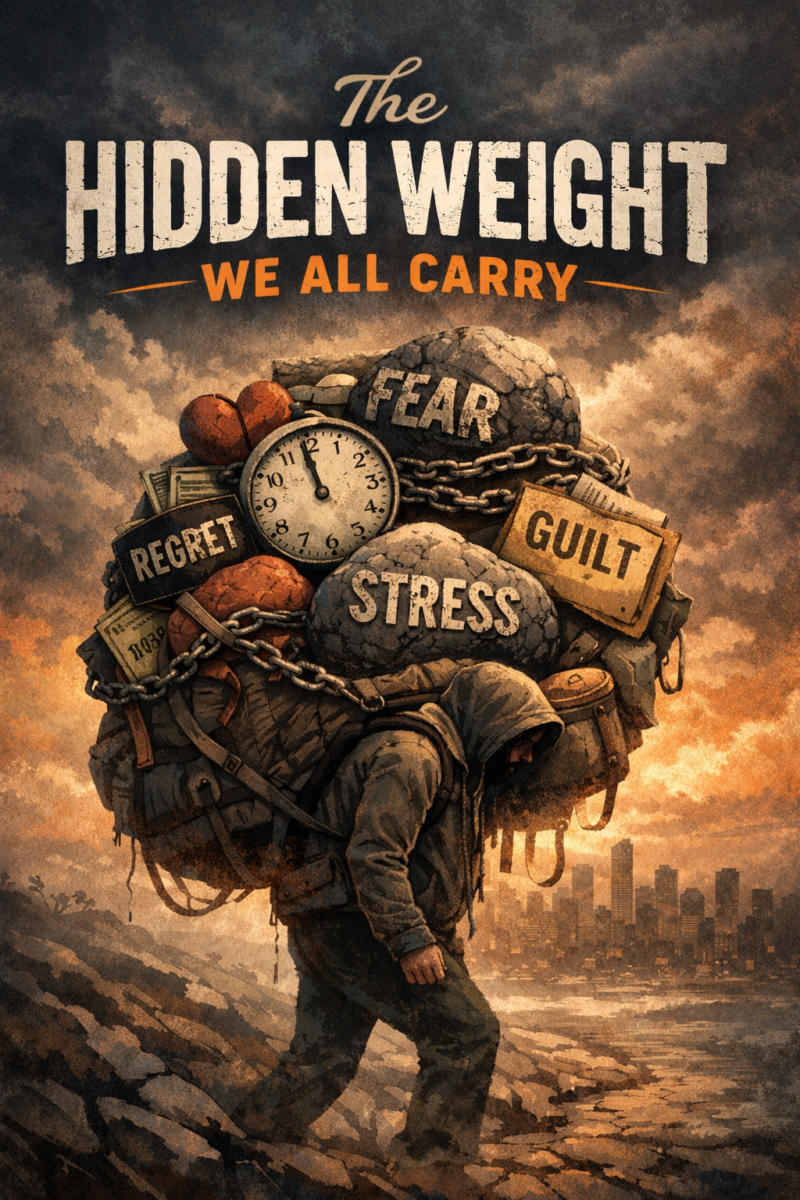
We move through the world surrounded by people who seem fine. They smile at the coffee shop, answer emails with professional efficiency, post carefully curated snapshots of their lives online. They show up to work, to family dinners, to social gatherings wearing the mask of normalcy so well that we rarely question what might be happening beneath the surface. But here’s what I’ve learned after years of paying closer attention: almost everyone you encounter is carrying emotional pain they’re dealing with privately.
This isn’t pessimism or projection. It’s simply the reality of being human. We all experience loss, disappointment, rejection, trauma, grief, anxiety, and doubt. We all have wounds from childhood that never fully healed, relationships that left scars, dreams that died quietly, and fears that wake us up at three in the morning. The difference isn’t whether these things exist but how visible we make them to others.
Most people have become incredibly skilled at compartmentalization. They’ve learned to pack their pain into boxes, seal them tight, and carry on with their daily responsibilities. The person serving your lunch might be grieving a recent breakup. Your colleague who seems so put-together might be managing chronic anxiety that makes every interaction feel like walking a tightrope. The neighbor who always waves cheerfully might be wrestling with loneliness that feels like drowning. The friend who never seems rattled might be holding together a family situation that’s quietly falling apart.
We’ve created a culture that rewards this concealment. Professionalism demands we leave our emotional lives at the door. Social media encourages us to broadcast only our highlights and victories. Even in personal relationships, there’s often an unspoken expectation that we shouldn’t burden others with our struggles too heavily or too often. So we learn to perform okayness even when we’re crumbling inside, and we become so good at it that we forget everyone else is performing too.
This creates a strange isolation. Each of us walks around believing that everyone else has it more figured out than we do. We compare our messy interiors to everyone else’s polished exteriors and conclude that we’re uniquely broken or struggling. We feel ashamed of our pain because it seems like evidence of personal failure rather than recognizing it as evidence of being alive and human. The irony is profound because while we’re all hiding our struggles to appear normal, we’re collectively creating a false picture of what normal actually is.
The weight of hidden emotional pain affects everything, even when we don’t realize it. It shapes how we react to small inconveniences, how much patience we have for others, how we interpret ambiguous situations, and what risks we’re willing to take. Someone snapping at you in traffic might be carrying grief that’s made everything feel overwhelming. A person who seems cold and distant might be protecting themselves from more hurt. Someone who overreacts to a minor issue might be responding to the accumulated weight of dozens of unprocessed difficulties they’ve been suppressing for months or years.
Understanding this doesn’t mean excusing bad behavior or accepting mistreatment. But it does offer us a more compassionate lens for viewing the world. When we remember that most people are dealing with internal pain we can’t see, we become less quick to judge, less likely to take things personally, and more willing to offer grace in moments of friction. That person who forgot your birthday might be so overwhelmed with their own crisis that they can barely remember what day it is. The friend who’s been distant lately might be conserving every ounce of energy just to keep themselves afloat.
There’s also something quietly powerful about acknowledging this reality in our own lives. When we stop pretending we’re fine all the time and start being more honest about our struggles, we give others permission to do the same. Vulnerability creates connection in ways that perfection never can. When you admit you’re going through something difficult, you often discover that the person you’re talking to is too, and suddenly you’re both a little less alone in your pain.
This doesn’t mean we should constantly broadcast our every struggle or turn every conversation into an emotional unburdening. Boundaries and discretion have their place. But there’s a middle ground between oversharing and pretending we’re always fine, and most of us could benefit from moving closer to authenticity. Simply saying “I’m having a hard week” or “I’m dealing with some stuff right now” can be enough to crack open the facade and remind everyone involved that we’re all human.
The people who seem to have it all together rarely do. The ones who appear strongest are often fighting battles you know nothing about. The person who’s always cheerful might be working incredibly hard to hold onto that positivity against internal currents pulling them toward despair. Everyone you meet is fighting their own fight, carrying their own weight, and doing the best they can with resources you can’t see and challenges you don’t know about.If there’s anything to take from this, it’s twofold. First, be gentler with others because you never know what invisible burden they’re carrying. And second, be gentler with yourself because your pain doesn’t make you uniquely broken or weak. It makes you human, just like everyone else who’s learned to smile through the ache and keep going anyway. We’re all in this together, even when our individual struggles make us feel desperately alone.
