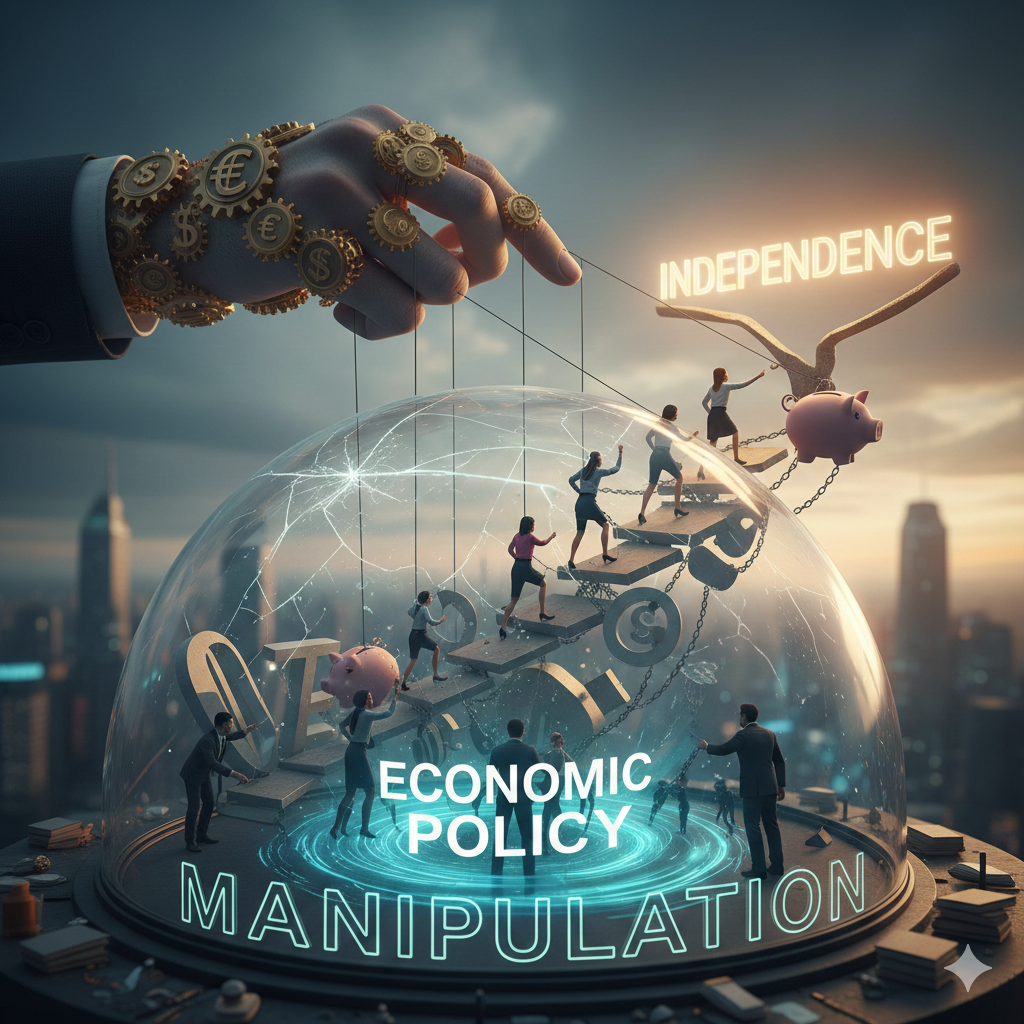
We often speak of economic inequality in broad strokes—the wealth gap, wage disparities, systemic hurdles. But to understand how these forces shape lives, we must look at where the pressure lands with the most precise and unrelenting weight. For single mothers, the economy often feels less like a landscape to navigate and more like a maze deliberately designed to funnel them toward a single, precarious exit: dependence. This isn’t necessarily the result of a shadowy room of men plotting, but rather the consequence of systems built on a foundational assumption—a nuclear family with a primary, traditionally male breadwinner. When that assumption fails, the scaffolding shows, and it fails to support those it was never designed to hold.
Consider the very architecture of work. The standard full-time schedule, with its rigid nine-to-five boundaries and expectation of “open” availability, presumes a support system at home. It presumes someone else is handling the sick child, the early school dismissal, the wait for the plumber. For a single mother, this presumption is a daily confrontation. The “motherhood penalty” in wages is compounded exponentially when there is no second income to buffer it. Part-time or flexible work, often the only viable option, comes at the cost of benefits, career progression, and retirement savings. Thus, the labor market subtly but firmly channels her into roles with limited economic sovereignty, making the prospect of a partner’s income—any partner’s income—a tangible lifeline rather than a mere romantic ideal.
This engineered pressure extends far beyond the paycheck. The cost of housing, a cornerstone of security, is calibrated for dual incomes. A single income must stretch to cover rents or mortgages that have skyrocketed while wages have stagnated. Affordable childcare, where it exists, can consume a third or more of that solitary income. The math becomes a brutal logic puzzle where every solution points to shortfall. Public assistance programs, often stigmatized and woefully underfunded, operate with strict income cliffs. A slight raise at work can mean the catastrophic loss of housing vouchers or healthcare, creating a perverse incentive to remain in a state of managed poverty. The system effectively penalizes gradual advancement, making genuine independence a precarious tightrope walk.The dependency is further cemented through the erosion of community. The privatization of care—for children, for the elderly, for ourselves—has been a decades-long project. Where extended families or tight-knit communities once provided a web of mutual aid, the atomized nuclear family, and now the solitary mother, is expected to purchase every service on the market. This not only drains financial resources but isolates her. The “village” has been dismantled and monetized. In this vacuum, a romantic partnership can appear not just as emotional support, but as the only practical means to reassemble a functioning economic unit, to share the unbearable weight of purchased care.
The consequence is a form of economic coercion that lingers in the background of choices, both personal and systemic. It can influence decisions to stay in relationships that are unhealthy or unfulfilling because the financial abyss outside of them is too terrifying to contemplate. It shapes policy debates where support for single parents is framed as a “handout” rather than an investment in dismantling a rigged structure. The narrative of “bootstraps” becomes particularly cruel when the boots are designed for a different set of feet entirely.
To see this engineered dependence is not to paint single mothers as victims, but to recognize the staggering resilience it takes to navigate a game with the odds so deliberately stacked. It is to understand that true economic justice requires more than equal pay—though that is essential. It requires dismantling the scaffolding: reimagining work around care, investing in robust social infrastructure like universal childcare and housing, and fundamentally rejecting the idea that any individual should bear the financial burden of raising the next generation alone. Only then can dependence be replaced with genuine interdependence, and the narrow maze be transformed into open ground.