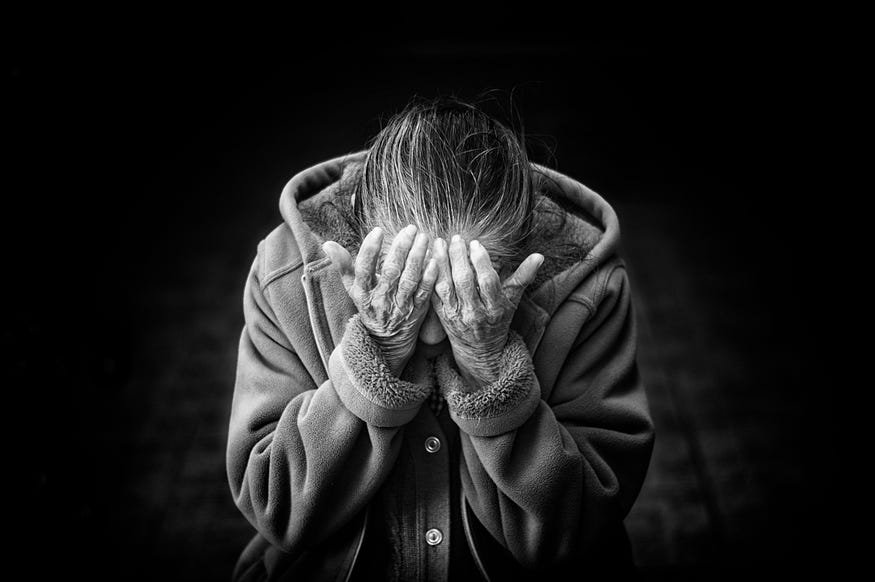
We’ve all heard the story. Someone’s cruising through life, ignoring every warning sign their body sends them, pushing through exhaustion, stress-eating their way through deadlines, telling themselves they’ll deal with it later. Then comes the chest pain, the concerning test result, the moment in the doctor’s office when everything suddenly becomes very real. Only then, flat on their back in a hospital bed or staring at their mortality in the mirror, do they finally get humble. They start eating better, exercising, spending time with family, reassessing their priorities. “This was my wake-up call,” they say, grateful to have gotten a second chance.
But here’s the thing: we live in the information age. We don’t need a coronary event to teach us what decades of research have already proven. We don’t need to feel our own heart skip a beat to understand that chronic stress kills. The data is everywhere. The knowledge is free. The wake-up call has already been broadcast to everyone with an internet connection.
Every week there’s another study showing how lack of sleep increases your risk of everything from Alzheimer’s to diabetes. You can pull up charts showing exactly what sitting for ten hours a day does to your cardiovascular system. There are thousands of articles explaining how chronic stress literally shortens your telomeres and ages you at the cellular level. We know processed foods are inflammatory. We know loneliness is as deadly as smoking. We know burnout isn’t just exhaustion but a diagnosable condition with serious health consequences.
The information isn’t hidden. It’s not locked away in medical journals that require advanced degrees to understand. It’s been translated, visualized, podcasted, and TikToked into every possible format. We know what happens when you treat your body like a machine that requires no maintenance. We’ve seen the statistics. We’ve watched the documentaries. We’ve read the articles our concerned relatives keep sending us.
So why do so many of us still need the scare? Why does it take a personal health crisis to make us believe what we already know?Part of it is the illusion of invincibility that comes with feeling fine right now. Your body is remarkably good at compensating, at keeping you functional even as you slowly dig yourself into a hole. You can run on stress hormones and caffeine for years before the bill comes due. The lag time between cause and effect creates a dangerous blind spot. We tell ourselves that if we were really doing damage, we’d feel it immediately, forgetting that’s not how chronic disease works.
There’s also the tyranny of busyness, the cultural badge of honor we wear for being overwhelmed and overworked. We’ve created systems that reward self-neglect and treat basic self-care as an indulgence. Taking time to exercise becomes something you’ll do when things calm down, as if there’s some future moment when all your obligations will politely step aside. Saying no to extra work or commitments feels irresponsible, even as saying yes means sacrificing sleep, relationships, and health.
But the real issue might be simpler and more uncomfortable: we don’t really believe it will happen to us. Statistics feel abstract until they become personal. We read that stress increases heart disease risk, and intellectually we understand it, but emotionally we file it away as something that happens to other people. We’re somehow different, exempt, special. We’ll be the exception who gets away with it.
The information age has given us something previous generations never had: the ability to see around corners, to learn from collective human experience without having to repeat every mistake ourselves. We can read about someone else’s heart attack and understand the warning signs they missed. We can study the regrets of people at the end of their lives and adjust course while we still have time. We can access the accumulated wisdom of medicine, psychology, and human experience with a few keystrokes.
Yet we’re still waiting for our personal catastrophe to make us pay attention. We’re treating the sum of human knowledge like it’s somehow less convincing than our own individual brush with mortality. We’re acting like we need to personally verify that fire burns before we’ll believe it’s hot.The real humility isn’t what comes after the health scare. That’s just fear dressed up as wisdom, the survival instinct finally overriding our denial. True humility is accepting that you’re not special, that your body is subject to the same biological laws as everyone else’s, that the research showing how stress and poor sleep and isolation damage human health applies to you too. It’s believing the data before your doctor has to make you believe it with test results.
Being humble enough to change your life shouldn’t require a crisis. It should just require being honest about what you already know. The information is there. The wake-up call has been ringing for years. The only question is whether you’ll answer it now or wait until you have no choice.