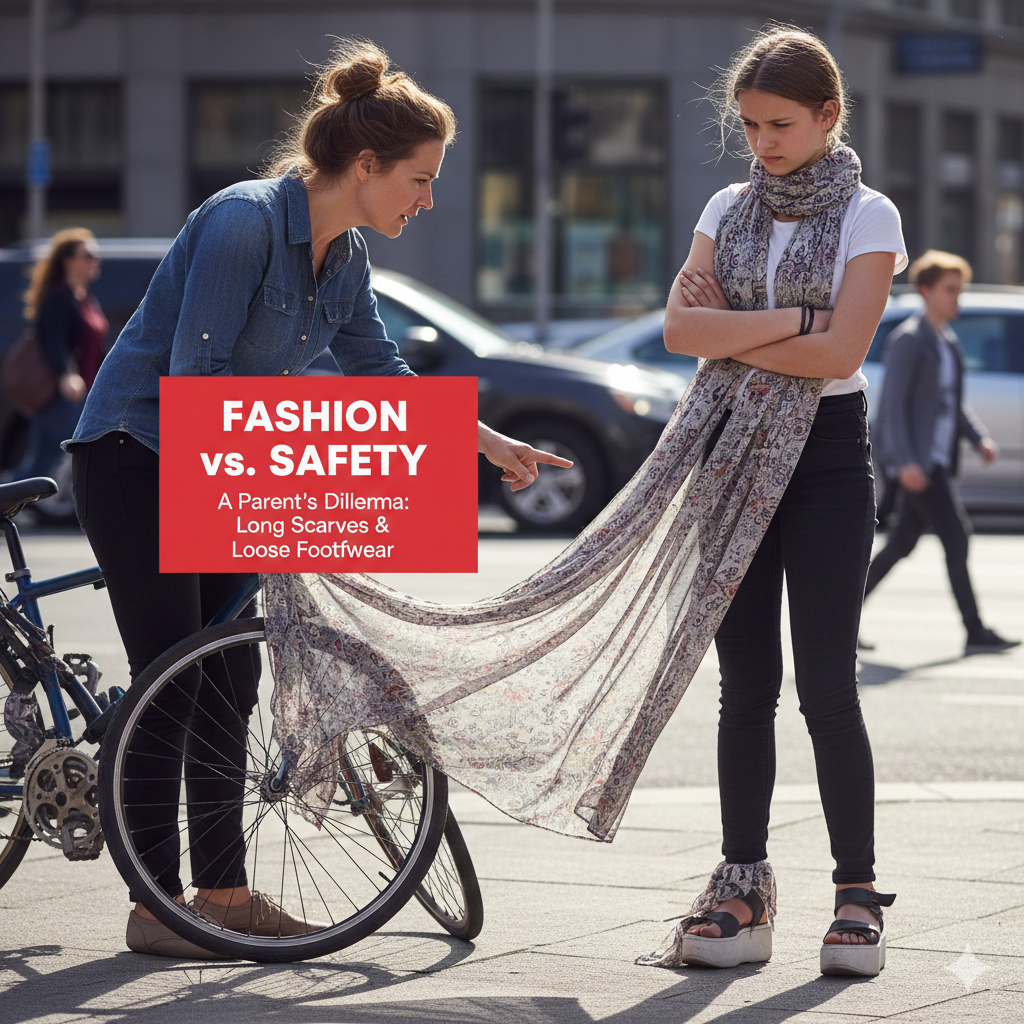
As parents, we walk a delicate line between allowing our children to express themselves and protecting them from harm. One of the most contentious areas of this balancing act involves how our daughters dress, particularly as they navigate their formative years.
The reality is that we live in a world where appearance matters, whether we like it or not. When young girls dress in revealing or sexually suggestive clothing, they can attract unwanted attention from those who would exploit their vulnerability. This isn’t about victim-blaming or suggesting that clothing choices justify inappropriate behavior. Rather, it’s acknowledging an uncomfortable truth: predators and those with bad intentions often look for easy targets, and children who present themselves in overly mature or sexualized ways can become more visible to these individuals.
Young girls typically lack the emotional maturity and life experience to handle the kind of attention that provocative clothing can generate. They may not fully understand the signals their appearance sends or how to navigate uncomfortable situations that arise. A twelve-year-old wearing clothing designed for adult women might receive looks, comments, or approaches from older teens or adults that she’s completely unprepared to manage. This mismatch between appearance and actual maturity creates a vulnerability gap that puts her at risk.
Beyond physical safety, there’s also the question of psychological development. When we allow young girls to dress in ways that emphasize sexuality before they’re emotionally ready to understand what that means, we may be rushing them through childhood and into a world of adult concerns they’re not equipped to handle. Research suggests that early sexualization can lead to problems with self-esteem, body image, and healthy relationship development later in life.
This doesn’t mean we should impose oppressive dress codes or shame our daughters for their bodies. Rather, it’s about having honest conversations about appropriate clothing choices for their age, teaching them about bodily autonomy and respect, and helping them understand that how we present ourselves to the world has consequences. We can encourage self-expression and confidence while also setting reasonable boundaries that prioritize their safety and wellbeing.
The goal isn’t to control our daughters or teach them that their bodies are shameful. It’s to give them the tools and guidance they need to navigate a complex world safely, preserving their childhood while preparing them gradually for the responsibilities and challenges of adulthood.