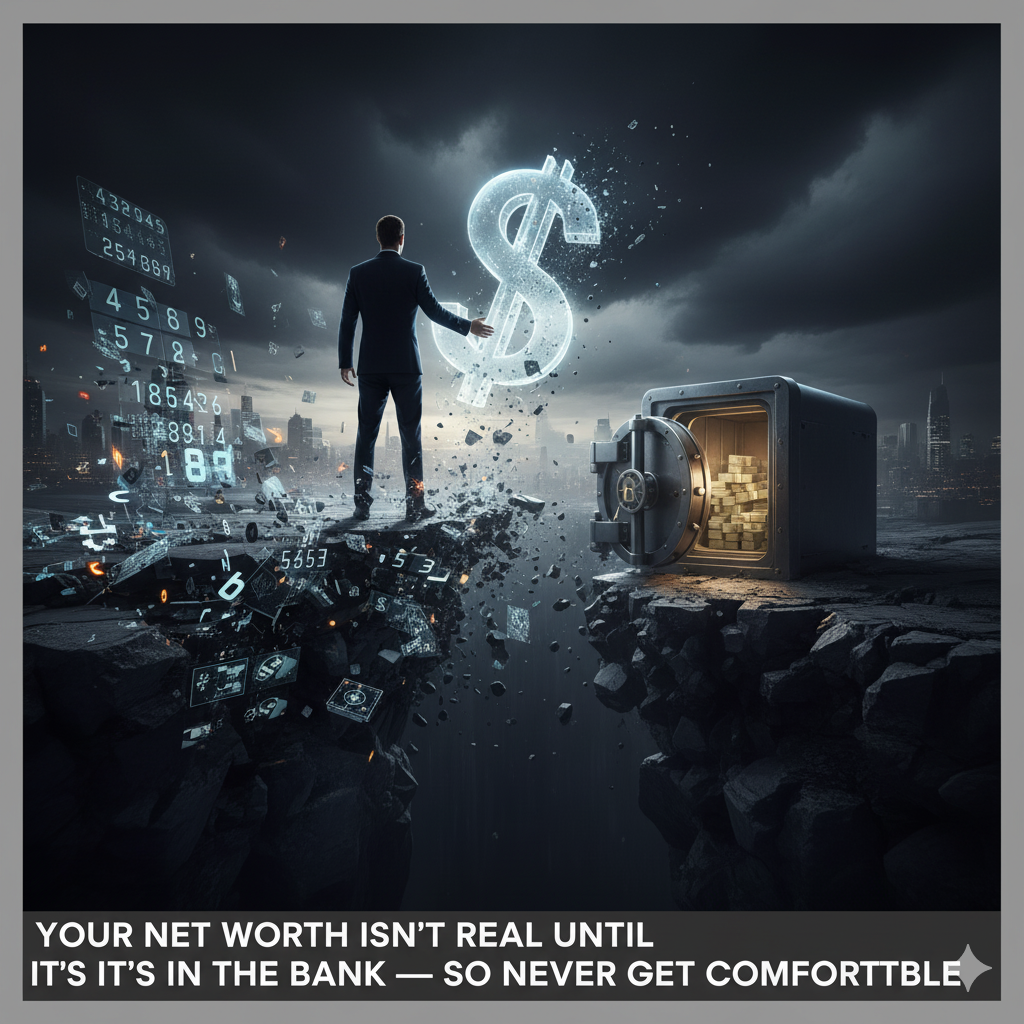
We like to tell ourselves that money is just paper and metal, a convenient tool for trading goods. We cling to the comforting notion that real power lies in character, in love, in the strength of our convictions. While these things form the bedrock of a meaningful life, to ignore the profound, often brutal, powerlessness that accompanies a lack of money is to live in a fairy tale. The truth is, in the world we have built, without money, you are a ghost—seen, perhaps, but unable to affect the material reality around you.
Money is the universal translator in the marketplace of human needs and desires. Without its vocabulary, your voice becomes a whisper lost in the wind. A brilliant idea remains trapped in your mind. A pressing need for shelter, warmth, or medicine becomes a silent scream. Your choices narrow to a single, desperate path defined not by what you want, but by what you can beg, borrow, or scavenge. This is not merely about luxury; it is about fundamental agency. The power to decide what you eat, where you sleep, how you care for your body, and whether you can move from a place of danger—these basic freedoms are purchased, every day, with currency.
This powerlessness extends beyond the physical into the social and psychological realm. Without money, your time is never truly your own. It is mortgaged to the immediate crisis of survival, leaving no room for planning, education, or rest. Your relationships become strained under the weight of dependency. Your dignity is perpetually at the mercy of systems and institutions that see a empty wallet before they see a human being. The constant, grinding anxiety of scarcity consumes mental energy, leaving little for creativity, joy, or peace. It is a cage that is all the more confining because it is often invisible to those outside of it.
To acknowledge this is not to be cynical or materialistic. It is to be clear-eyed about the rules of the game. Money is the token that grants you a seat at the table, the right to participate, to be heard, and to have your needs considered. It is the difference between proposing and pleading, between having a stake and being a spectator. Without it, you are subject to the whims of charity and the cold mechanics of bureaucracy. Your power to direct your own story diminishes, and the plot is increasingly written by circumstance, luck, and the decisions of others who hold the resource you lack.
This is not to say the human spirit cannot shine in poverty, or that wealth guarantees virtue or happiness. It doesn’t. But it is to state an uncomfortable, foundational fact of modern existence: money is potential energy. It is the stored ability to act, to choose, to change your condition. Without that stored energy, you are left with only your bare hands against the weight of the world. You may have heart, and soul, and resolve, but without the key that fits the locks on the doors of opportunity, security, and basic autonomy, you will find yourself forever on the outside, looking in. To pretend otherwise is to misunderstand the very nature of the power that shapes our lives.