There’s a peculiar kind of stress that comes from trying to plan a life around the wrong business. You’re constantly firefighting, scrambling to cover costs, and every decision about your personal life feels contingent on whether this month will be better than the last. The business doesn’t serve your life—your life gets squeezed into whatever space the business leaves behind.
Starting the right business flips this equation entirely. When the fundamentals align with both market demand and your own capabilities, planning becomes dramatically simpler. You’re not guessing whether you can afford that vacation in six months or whether you’ll need to skip your kid’s recital because of an emergency client call. The revenue becomes predictable enough that you can actually make commitments and keep them.
The right business typically means one where you’ve identified a genuine problem people will pay to solve, and you have a realistic path to solving it profitably without destroying yourself in the process. This might sound obvious, but countless entrepreneurs skip this step. They chase trends, copy competitors, or build something technically impressive that nobody actually wants. The result is a business that demands constant improvisation and leaves no bandwidth for life planning.
When the business model actually works, you gain the mental space to think beyond next week. You can project income with reasonable accuracy, which means you can make decisions about housing, education, retirement, and everything else that requires some degree of financial certainty. The business becomes a tool for building the life you want rather than an unpredictable force that dictates your life by default.
There’s also the question of energy and attention. The wrong business depletes you because you’re always working against the grain, trying to force something that doesn’t quite fit. The right business—one that matches your skills and interests while meeting real market needs—requires effort, certainly, but it’s sustainable effort. You’re not burning yourself out just to stay afloat. This sustainability is what makes long-term planning possible. You can think in terms of years rather than months because you’re not on the edge of collapse.
The clarity extends to smaller decisions too. When your business has solid foundations, you can evaluate opportunities based on whether they genuinely advance your goals rather than whether they might keep you alive for another quarter. You can turn down the wrong clients, invest in improvements that pay off over time, and build systems that reduce your personal involvement. All of this becomes nearly impossible when you’re running a fundamentally flawed business model.
Perhaps most importantly, the right business gives you options. When you’re profitable and stable, you can choose to scale, choose to maintain, or even choose to transition to something else entirely. Your life planning can include actual choices rather than just reactions to circumstances. You might decide to work four days a week, take a sabbatical, bring on a partner, or expand into a new market—all decisions that require the foundation of a business that actually works.
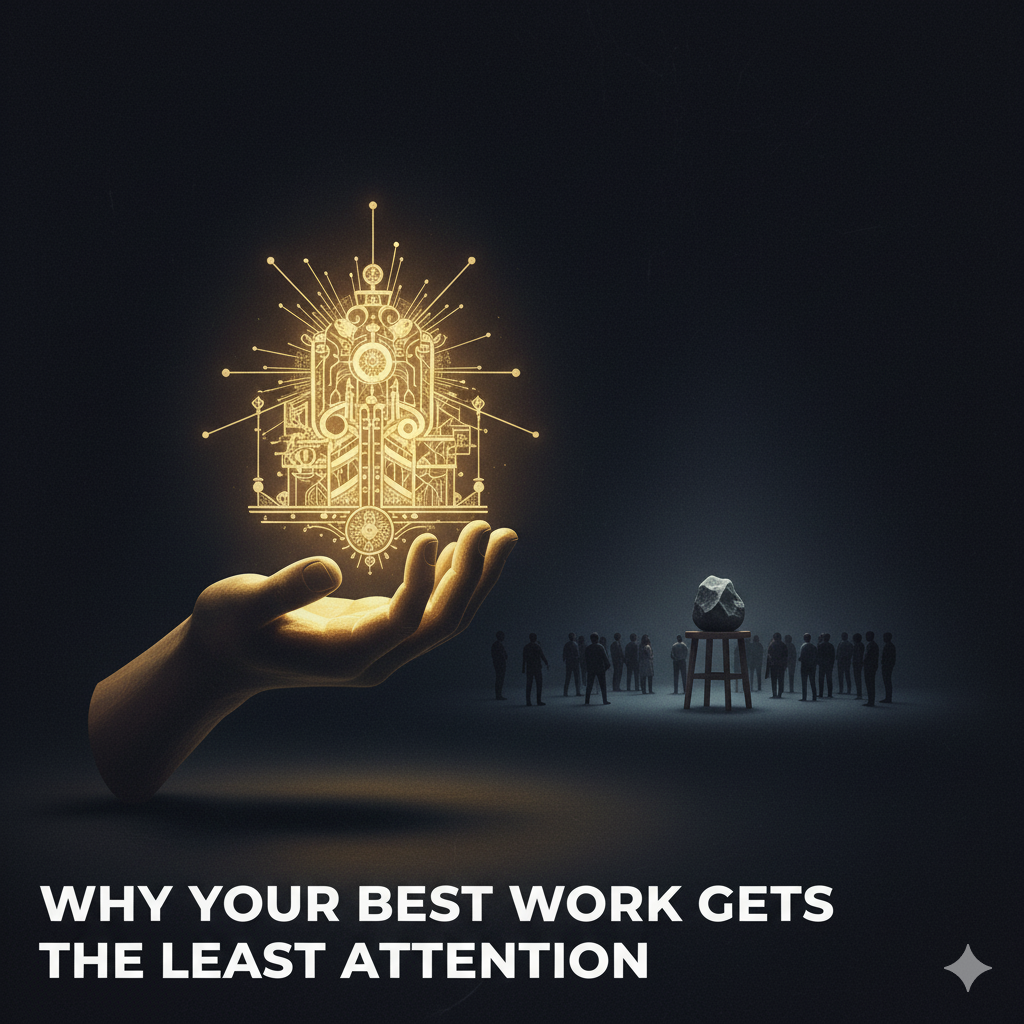
The irony is that people often think the exciting, novel, or impressive business idea is the one to pursue, when the boring business that solves a real problem reliably is usually the one that makes life planning possible. The exciting idea might make for good conversation at parties, but the solid business is what lets you show up to those parties without checking your phone every five minutes.
Starting with the right business doesn’t eliminate uncertainty or guarantee success, but it shifts the nature of the challenge from survival to optimization. Instead of asking whether you’ll make it through the year, you’re asking how to make next year better than this one. That shift is what transforms business ownership from a source of chaos into a foundation for intentional life planning.