We have become skilled at detecting sadness in ourselves and others. We recognize anxiety’s physical signatures—the racing heart, the spinning thoughts, the anticipatory dread. We have built entire industries around managing stress. But anger often moves through us unrecognized, underground, shaping behavior without ever claiming its true name.
This is partly linguistic. We possess granular vocabulary for other emotions. We distinguish between melancholy and grief, between worry and panic, between contentment and joy. But anger tends to collapse into a few blunt categories: rage, irritation, frustration. We miss the subtler forms. The cold withdrawal that follows a perceived slight. The compulsive need to prove someone wrong. The sudden exhaustion that descends when we have been accommodating too much. These are often anger in disguise, but we call them something else—tired, stressed, done.
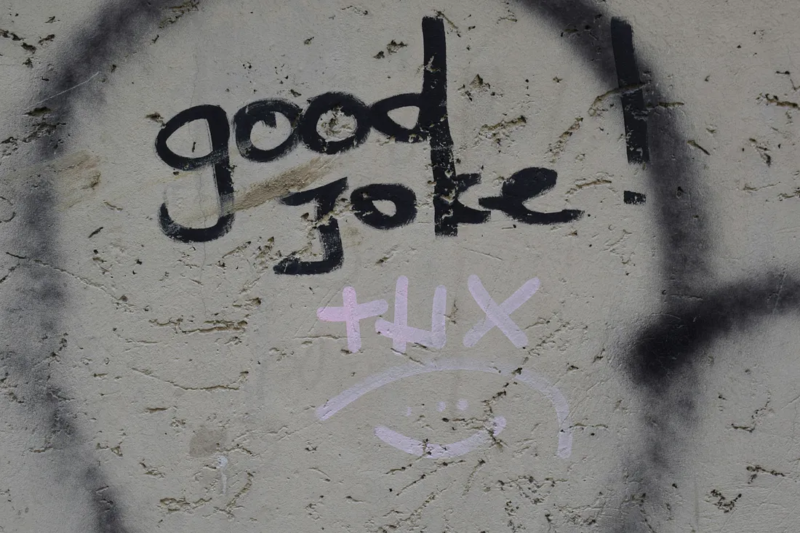
The disguise serves a purpose. Many of us were trained early that anger is dangerous, ugly, or exclusively masculine. We learned to experience it as shameful before we learned to experience it at all. So the emotion doesn’t disappear. It converts. It becomes the sarcastic comment that “was just a joke.” The forgotten commitment to someone who disappointed us. The mysterious physical symptom that emerges around particular people or situations. We treat these as separate phenomena rather than signals from a submerged emotional system.
What makes anger particularly elusive is its compatibility with action. Sadness often paralyzes. Anxiety can freeze decision-making. But anger energizes. It provides the fuel for confrontation, for competition, for the long hours spent proving something to someone who may not even be watching. This makes it easy to mistake anger-driven behavior for ambition, for principle, for strength. We build careers on it. We sustain grudges across decades, refining them into identities. We pursue victories that, examined closely, serve no purpose except to demonstrate that someone else was wrong.
The conversion of anger into productivity is so culturally celebrated that we rarely examine its costs. The body keeps score even when the mind doesn’t. Chronic anger—whether acknowledged or not—correlates with cardiovascular strain, immune suppression, disrupted sleep. Relationships suffer not from the occasional explosion but from the steady accumulation of small withdrawals, the unexpressed resentments that calcify into distance. We become people who are “difficult to read,” “hard to please,” “intense”—descriptions that capture the behavioral residue of anger without identifying its source.
Recognition is the first difficulty. Anger often arrives wearing the mask of something more acceptable. The sudden need to be right in an argument that doesn’t matter. The disproportionate satisfaction when someone else fails. The compulsive comparison with peers that leaves you either superior or resentful, never equal. These patterns persist because they provide something—energy, direction, a sense of self—while their emotional root remains unexamined.
The second difficulty is that anger frequently has legitimate origins. It is not always distortion or immaturity. Sometimes it responds to genuine violation, to repeated dismissal, to systems that allocate dignity unevenly. The therapeutic impulse to “let go” or “reframe” can become its own form of suppression when applied to warranted outrage. The question is not whether anger exists but whether it is being accurately perceived, appropriately directed, and eventually released or transformed rather than endlessly recycled.
What changes the pattern is not necessarily expressing anger more—though sometimes this helps—but recognizing it earlier, in its softer forms, before it has hardened into behavior or identity. This requires developing sensitivity to the pre-verbal signals: the particular quality of tension in the shoulders, the shift in breathing when certain topics arise, the mental rehearsals of arguments that will never happen. These are the early warning systems, the chance to intervene before anger has chosen its vehicle.
The ultimate work is distinguishing between anger that serves and anger that consumes. Some anger clarifies. It identifies what we value by showing us what threatens it. It can mobilize necessary change, personal and collective. But anger that has become chronic, that has lost its specific object and become generalized atmosphere, serves no one. It damages the vessel that carries it while often failing to reach its intended target.
We do not need to become angry people to acknowledge anger’s presence. We need only to become more honest cartographers of our inner lives, willing to name what moves through us even when the naming is uncomfortable. The underground river does not cease to flow when we map it. But it becomes navigable. We can choose where it carries us rather than being swept along, wondering why the landscape keeps repeating.