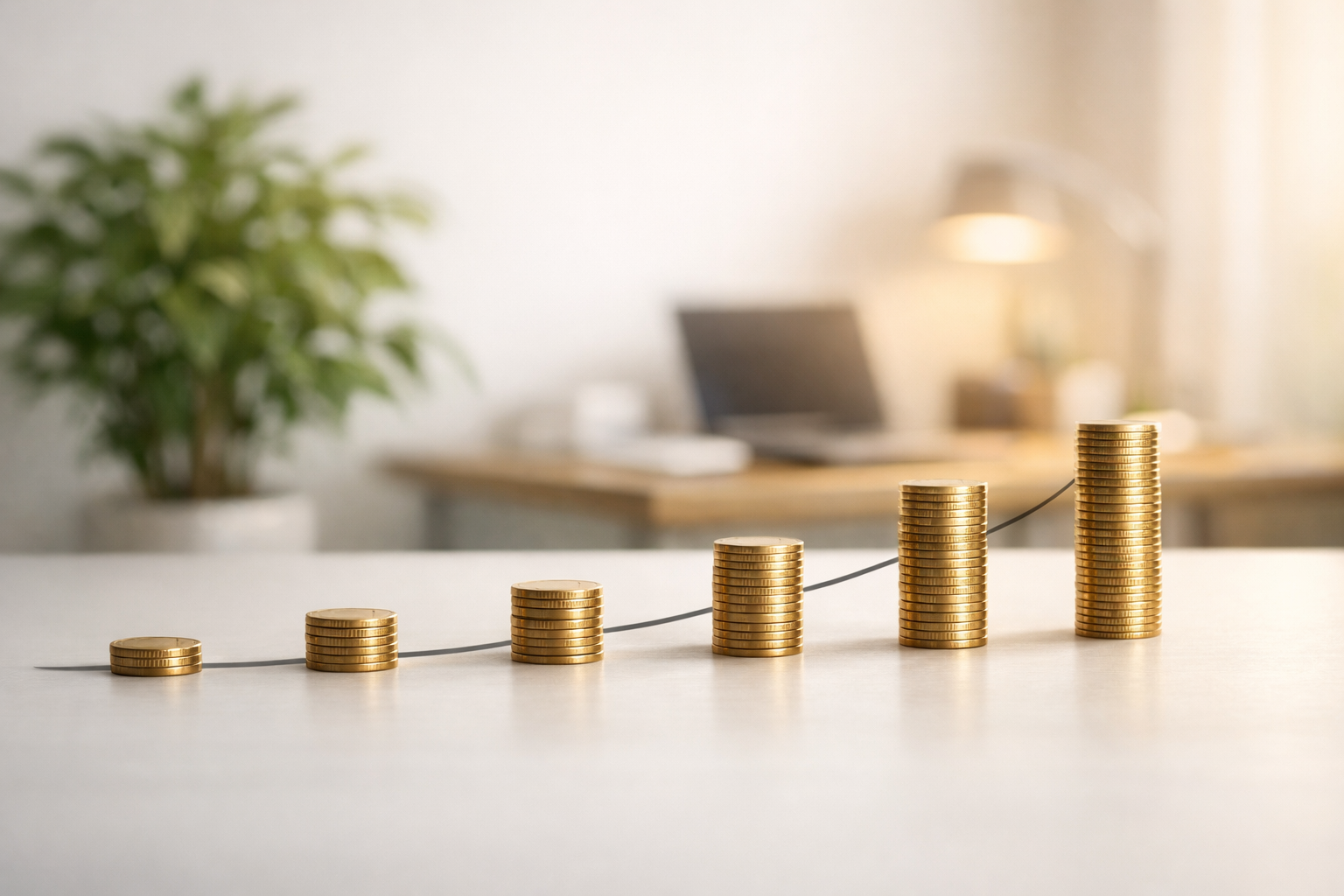
Investing can feel intimidating, especially when markets are volatile and headlines swing between fear and greed. One strategy that helps investors navigate this uncertainty is called dollar-cost averaging. At its core, dollar-cost averaging is a simple idea: instead of investing a large sum of money all at once, you divide it into smaller, regular investments over time. This approach removes the pressure of trying to time the market perfectly, which even the most experienced investors struggle to do.
When you invest the same amount regularly, you automatically buy more shares when prices are low and fewer shares when prices are high. Over time, this can lower the average cost of your investments and reduce the emotional stress that comes with market swings. Rather than making a single, potentially risky decision, you are steadily building your position, smoothing out the effects of volatility.
Dollar-cost averaging also encourages discipline. By committing to regular investments, you make investing a habit rather than a sporadic, emotional activity. This habit can be particularly powerful over the long term, as it allows compounding to work its magic. Even small, consistent investments can grow significantly when left in the market for years.
While dollar-cost averaging does not guarantee profits or protect against losses in declining markets, it offers a structured, low-stress approach to investing. It allows investors to participate in the markets without worrying about catching the exact bottom or top, turning what often feels like a gamble into a more predictable, manageable strategy.
Ultimately, dollar-cost averaging is less about chasing the perfect moment and more about steady progress. By investing consistently over time, you can build wealth, reduce stress, and stay committed to your financial goals, no matter how unpredictable the market may seem.