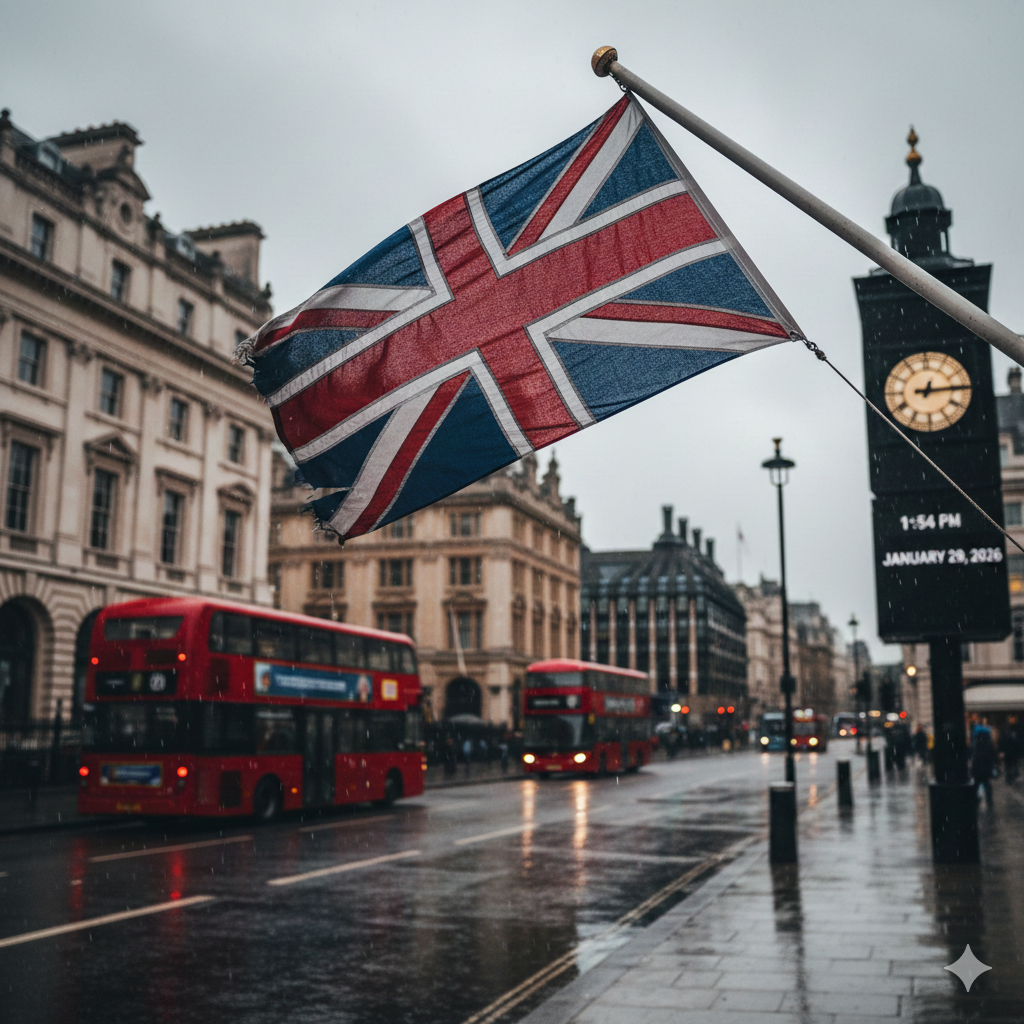
British history spans millennia, from ancient Celtic tribes to the modern United Kingdom, encompassing empire, revolution, and transformation. For anyone seeking to understand this rich and complex past, countless books offer insights, but some stand out as particularly illuminating. Here are five exceptional works that will deepen your appreciation of Britain’s historical journey.
“A History of Britain” by Simon Schama offers a sweeping narrative from prehistoric times through the early 20th century. Schama, both a renowned historian and gifted storyteller, brings British history to life with vivid prose and compelling character portraits. Originally accompanying his BBC television series, the three-volume work doesn’t simply recite dates and events but explores the experiences of real people, from monarchs to commoners. Schama excels at showing how ordinary lives intersected with grand historical movements, making centuries of change feel immediate and personal. His treatment of the English Civil War is particularly gripping, revealing how religious conviction and political ambition tore the nation apart.
“The Norman Conquest” by Marc Morris focuses on one of British history’s most pivotal moments: the events of 1066 and their aftermath. Morris demonstrates how William the Conqueror’s invasion fundamentally reshaped English society, language, architecture, and governance. Rather than treating the Conquest as a single battle, Morris reveals it as a prolonged and often brutal transformation that took decades to complete. His book brings clarity to a period often shrouded in legend, examining the resistance that continued long after Hastings and the systematic reimagining of England’s aristocracy, church, and culture. The result is an understanding of how modern Britain emerged from medieval upheaval.
“The People’s History of London” by John Rees and Lindsey German takes a refreshing approach by examining Britain’s capital through the eyes of its working people, radicals, and reformers. While many histories focus on monarchs and parliaments, this book recovers the voices of those who built the city, protested in its streets, and fought for social change. From the Peasants’ Revolt of 1381 to the suffragettes and labor movements of the 20th century, Rees and German show how ordinary Londoners shaped their own destinies. Their work reminds us that history isn’t just made by the powerful but by collective action and popular resistance.
“The Anarchy: The Relentless Rise of the East India Company” by William Dalrymple explores a darker chapter: how a British corporation conquered India and laid the foundations of empire. Dalrymple’s meticulously researched narrative reveals how the East India Company transformed from a trading venture into a colonial power that ruled over millions. The book illuminates not just military conquest but the economic exploitation and cultural disruption that accompanied British expansion. Understanding this imperial history is essential for grasping Britain’s role in shaping the modern world, for better and worse. Dalrymple writes with both scholarly precision and narrative flair, making complex geopolitical maneuvering accessible and engaging.
“The English and Their History” by Robert Tombs provides a comprehensive single-volume survey that’s both scholarly and readable. Tombs, a Cambridge professor, covers everything from Roman Britain to Brexit, offering balanced analysis of contentious topics. What distinguishes his work is the attention to how the English have understood themselves throughout history, examining national identity, myth-making, and cultural evolution alongside political events. He’s particularly strong on explaining how England’s relationship with Scotland, Wales, and Ireland shaped all parties involved. For readers wanting a thorough grounding in the full sweep of British history, Tombs provides an authoritative and engaging guide.
Each of these books offers a different lens through which to view British history. Together, they provide perspectives on conquest and resistance, empire and its consequences, social movements and political change, individual lives and collective identity. Whether you’re new to the subject or looking to deepen existing knowledge, these works will reward your attention with insights into how Britain became what it is today.