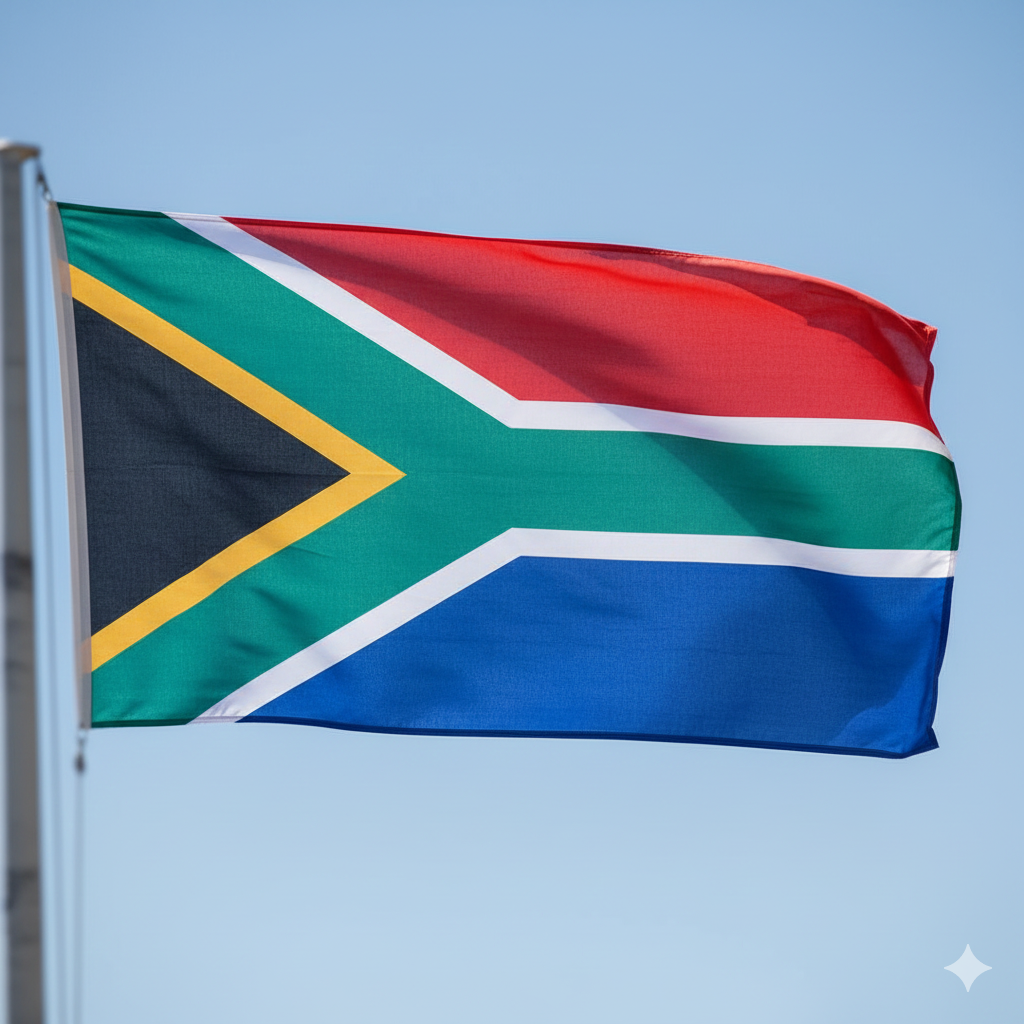
South African history is a complex tapestry of indigenous cultures, colonial conquest, resistance, apartheid, and ultimately transformation. For anyone seeking to understand this fascinating country, these five books offer crucial perspectives that illuminate different aspects of its past.
1. “Long Walk to Freedom” by Nelson Mandela
Nelson Mandela’s autobiography remains the most accessible and moving entry point into South African history. Published in 1994, just as Mandela became South Africa’s first democratically elected president, the book traces his journey from rural childhood in the Transkei through his years as a lawyer, activist, and ultimately political prisoner on Robben Island for 27 years. What makes this essential reading isn’t just the remarkable personal story, but how Mandela weaves his life into the broader narrative of African nationalism and the struggle against apartheid. His reflections on forgiveness and reconciliation continue to resonate globally, making this both a historical document and a meditation on leadership and moral courage.
2. “The Seed is Mine: The Life of Kas Maine, a South African Sharecropper” by Charles van Onselen
This monumental oral history follows the life of Kas Maine, a black sharecropper, from 1894 to 1985. Van Onselen’s meticulous research reconstructs the everyday experiences of rural black South Africans through nearly a century of dramatic change, from the aftermath of colonial conquest through the consolidation of apartheid. The book brilliantly demonstrates how grand political forces shaped ordinary lives, revealing the economic underpinnings of racial oppression. Through Kas Maine’s story of resilience, entrepreneurship, and eventual dispossession, readers gain insight into the rural dimensions of South African history that often get overshadowed by urban political narratives.
3. “The Afrikaners: Biography of a People” by Hermann Giliomee
To understand apartheid, one must understand Afrikaner nationalism. Giliomee’s comprehensive history traces Afrikaners from their Dutch colonial origins through their development as a distinct people with their own language and identity. The book examines the siege mentality that developed after the Anglo-Boer Wars, the rise of Afrikaner nationalism in the twentieth century, and the ideology that justified apartheid. Giliomee, himself an Afrikaner academic, provides a nuanced account that neither excuses nor oversimplifies, showing how historical grievances and ethnic nationalism combined to create one of the twentieth century’s most oppressive systems. Understanding this perspective is essential for grasping the full complexity of South African history.
4. “A History of South Africa” by Leonard Thompson
For those seeking a comprehensive single-volume overview, Thompson’s book remains the gold standard. First published in 1990 and updated in subsequent editions, it covers everything from the earliest human inhabitants and the establishment of African kingdoms through European colonization, the mineral revolution, the apartheid era, and the transition to democracy. Thompson excels at connecting economic developments, political movements, and social changes into a coherent narrative. His balanced approach gives appropriate weight to African agency and resistance while documenting the mechanisms of oppression. This is the book to read for context and continuity across South Africa’s long sweep of history.
5. “Country of My Skull” by Antjie Krog
Krog’s account of covering the Truth and Reconciliation Commission hearings as a radio journalist offers an emotionally raw encounter with South Africa’s reckoning with its past. Through her reporting on testimonies from both victims and perpetrators of apartheid-era violence, Krog grapples with questions of memory, forgiveness, and national healing. The book is both journalism and poetry, capturing the psychological and emotional dimensions of confronting historical trauma. Reading it alongside more traditional histories reveals how nations process their pasts and attempt to build new futures. The TRC represented an unprecedented experiment in restorative justice, and Krog’s account remains the most powerful chronicle of that process.
These five books together provide multiple entry points into South African history: the political struggle, the everyday experience of ordinary people, the mindset of the oppressors, the broad historical sweep, and the process of reconciliation. Each author brings different methods and perspectives, from autobiography to oral history to academic synthesis to journalistic memoir. Together, they offer a foundation for understanding one of the twentieth century’s most dramatic national stories, from the depths of institutionalized racism to the possibility of transformation and healing.