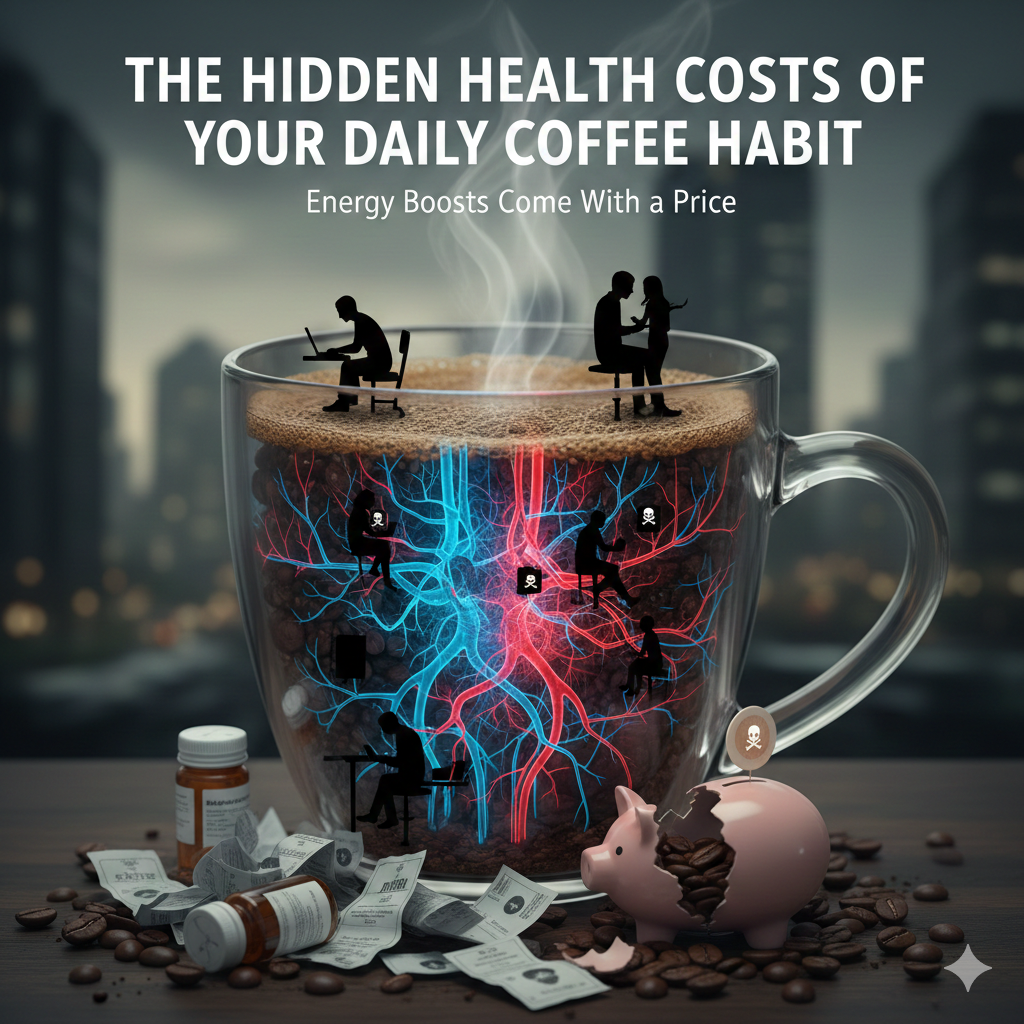
For millions of people worldwide, coffee is more than just a beverage—it’s a morning ritual, an afternoon pick-me-up, and a social lubricant. While moderate coffee consumption has been associated with some health benefits, it’s worth examining the less discussed downsides of this ubiquitous drink.
The most immediate concern for many coffee drinkers is its impact on sleep quality. Caffeine has a half-life of approximately five to six hours, meaning that a cup consumed at 4 PM still has half its caffeine circulating in your system at 10 PM. This can interfere with your ability to fall asleep, reduce deep sleep stages, and leave you feeling unrested the next morning, creating a vicious cycle where you need more coffee to compensate for poor sleep.
Coffee’s effect on anxiety and stress response deserves serious attention. Caffeine triggers the release of cortisol and adrenaline, the body’s stress hormones. For people prone to anxiety, this can manifest as jitteriness, racing thoughts, increased heart rate, and even panic attacks. Even those without diagnosed anxiety disorders may find that coffee amplifies feelings of nervousness or unease, particularly during already stressful periods.
The digestive system often bears the brunt of regular coffee consumption. Coffee stimulates acid production in the stomach, which can lead to heartburn, acid reflux, and general gastrointestinal discomfort. For people with conditions like irritable bowel syndrome, gastritis, or ulcers, coffee can significantly worsen symptoms. Additionally, coffee acts as a laxative for many people, which while sometimes convenient, can lead to dependence on caffeine for regular bowel movements.
Blood pressure and cardiovascular concerns emerge particularly in sensitive individuals. Coffee causes temporary but significant spikes in blood pressure, which can be problematic for people with hypertension or cardiovascular disease. While regular drinkers may develop some tolerance, the acute effects remain concerning, especially when combined with stress or physical exertion.
Dependency and withdrawal represent perhaps the most insidious downside of regular coffee consumption. The body quickly adapts to caffeine, requiring increasing amounts to achieve the same effects. When regular consumers miss their usual dose, they often experience withdrawal symptoms including severe headaches, fatigue, irritability, difficulty concentrating, and even flu-like symptoms. This dependency means you’re no longer drinking coffee to feel energized but rather to feel normal.
Coffee can interfere with nutrient absorption in ways that many drinkers don’t realize. The tannins in coffee can inhibit iron absorption, potentially contributing to anemia, especially in people with already low iron levels. Coffee also increases calcium excretion in urine, which over time could affect bone density. The diuretic effect of caffeine can lead to increased fluid loss, potentially causing dehydration if water intake isn’t adjusted accordingly.
For women, coffee consumption may affect reproductive health and hormonal balance. Some studies suggest that high caffeine intake can impact fertility and may increase the risk of miscarriage. Coffee can also exacerbate symptoms of premenstrual syndrome and may interact with hormonal contraceptives. During menopause, coffee can trigger or worsen hot flashes in some women.
The impact on blood sugar regulation is another concern, particularly for people with diabetes or insulin resistance. While the relationship is complex, caffeine can temporarily reduce insulin sensitivity, making it harder for cells to respond to insulin and potentially leading to higher blood sugar levels after meals.
Dental health suffers from regular coffee consumption as well. Coffee is acidic and can erode tooth enamel over time, making teeth more susceptible to decay and sensitivity. The dark pigments in coffee also stain teeth, requiring additional dental care to maintain a bright smile.
For some individuals, coffee triggers or worsens headaches and migraines rather than relieving them. While caffeine is actually an ingredient in some headache medications, regular consumption can lead to rebound headaches when caffeine levels drop, creating another problematic cycle.
The quality of coffee matters too, as conventionally grown coffee is often heavily treated with pesticides, which remain as residues in the final product. For people sensitive to these chemicals, or those trying to minimize their toxic load, this presents an additional health concern.Finally, coffee’s impact on adrenal function and long-term energy levels deserves consideration. Constantly stimulating the release of stress hormones can eventually lead to adrenal fatigue, where your body becomes less responsive to these signals. This can result in chronic fatigue, difficulty handling stress, and a host of other symptoms that ironically make you feel like you need even more coffee.
None of this means that coffee is poison or that everyone should quit immediately. However, awareness of these potential downsides allows for more informed decisions about consumption. For many people, moderating intake, avoiding coffee late in the day, ensuring adequate hydration, and taking occasional breaks from caffeine can help minimize these negative effects while still enjoying their daily cup.