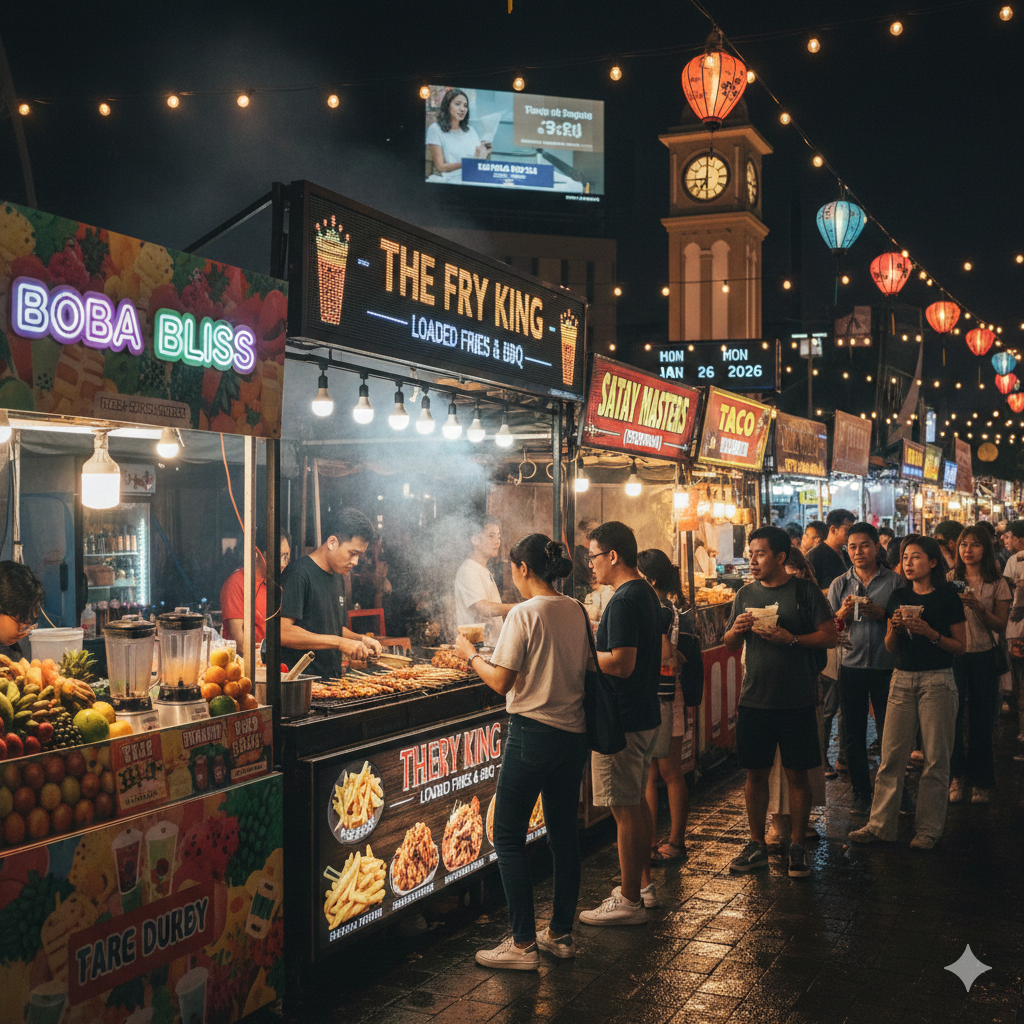
Starting a food or drink stall can be an exciting entrepreneurial venture, but choosing the right concept makes all the difference between thriving and merely surviving. After examining market trends, startup costs, and customer demand, five types of stalls consistently rise to the top as the most promising options for new vendors.Coffee and specialty beverage stalls remain incredibly lucrative, particularly in high-foot-traffic areas like office districts, university campuses, and transit hubs. The margins on coffee are exceptional—a cup that costs you perhaps fifty cents to make can sell for three to five dollars. Beyond basic coffee, you can expand into cold brew, specialty lattes, and seasonal drinks without requiring much additional space. The morning rush alone can generate substantial revenue, and the repeat customer base builds naturally as people develop their daily caffeine rituals. Equipment costs are manageable, and you can start with a relatively compact setup that’s easy to operate with minimal staff.
Tacos and handheld Mexican food stalls have exploded in popularity across diverse demographics and locations. The beauty of this concept lies in its simplicity and flexibility—you can prep most ingredients in advance, customize orders quickly, and offer vegetarian, meat, and vegan options from the same base ingredients. Tacos are universally loved, affordable to produce, and command reasonable prices that customers happily pay. The format works equally well for lunch crowds, late-night diners, and weekend markets. You can differentiate yourself through unique salsas, specialty proteins, or regional variations while keeping your core operation streamlined.
Bubble tea stalls continue their remarkable growth trajectory, especially among younger consumers who treat these drinks as both refreshment and experience. The profit margins rival those of coffee shops, with ingredients like tapioca pearls and flavored powders being inexpensive relative to the final selling price. The customization aspect—choosing sugar levels, ice amounts, toppings, and flavors—creates an engaging experience that keeps customers returning to try new combinations. The visual appeal of these colorful, Instagram-worthy drinks provides free marketing as customers share photos on social media. While initial equipment investment is moderate, the ongoing ingredient costs stay low, and you can easily expand your menu with seasonal specials and trending flavors.
Gourmet grilled cheese or panini stalls tap into the comfort food market while offering premium positioning. Everyone loves melted cheese and warm bread, but by elevating ingredients—using artisanal breads, specialty cheeses, and creative additions like caramelized onions, fig jam, or high-quality meats—you can charge premium prices that far exceed your costs. The equipment needs are straightforward (essentially high-quality griddles or panini presses), preparation is quick, and the aroma of grilling bread and melting cheese acts as powerful advertising. This concept works beautifully for lunch service, and you can easily rotate seasonal specials to keep the menu fresh without complicating operations.
Fresh fruit smoothie and açai bowl stalls capitalize on the health-conscious trend that shows no signs of slowing. Customers willingly pay premium prices for products they perceive as healthy, natural, and Instagram-worthy. The margins are excellent since frozen fruit and bulk ingredients cost relatively little compared to what you can charge for a smoothie bowl topped with granola, fresh fruit, and honey. The operation is clean, the equipment requirements are minimal (powerful blenders being your main investment), and you can serve customers quickly even during rush periods. This concept particularly thrives near gyms, yoga studios, beaches, parks, and health-conscious neighborhoods, and it performs well year-round in warmer climates.
Each of these stall types shares critical success factors: manageable startup costs, strong profit margins, quick service times, and broad customer appeal. They also allow for creative expression and menu evolution without requiring you to completely overhaul your operation. The key to success with any of these concepts lies in finding the right location, maintaining consistent quality, and building genuine relationships with your regular customers who will become your most valuable marketing asset.