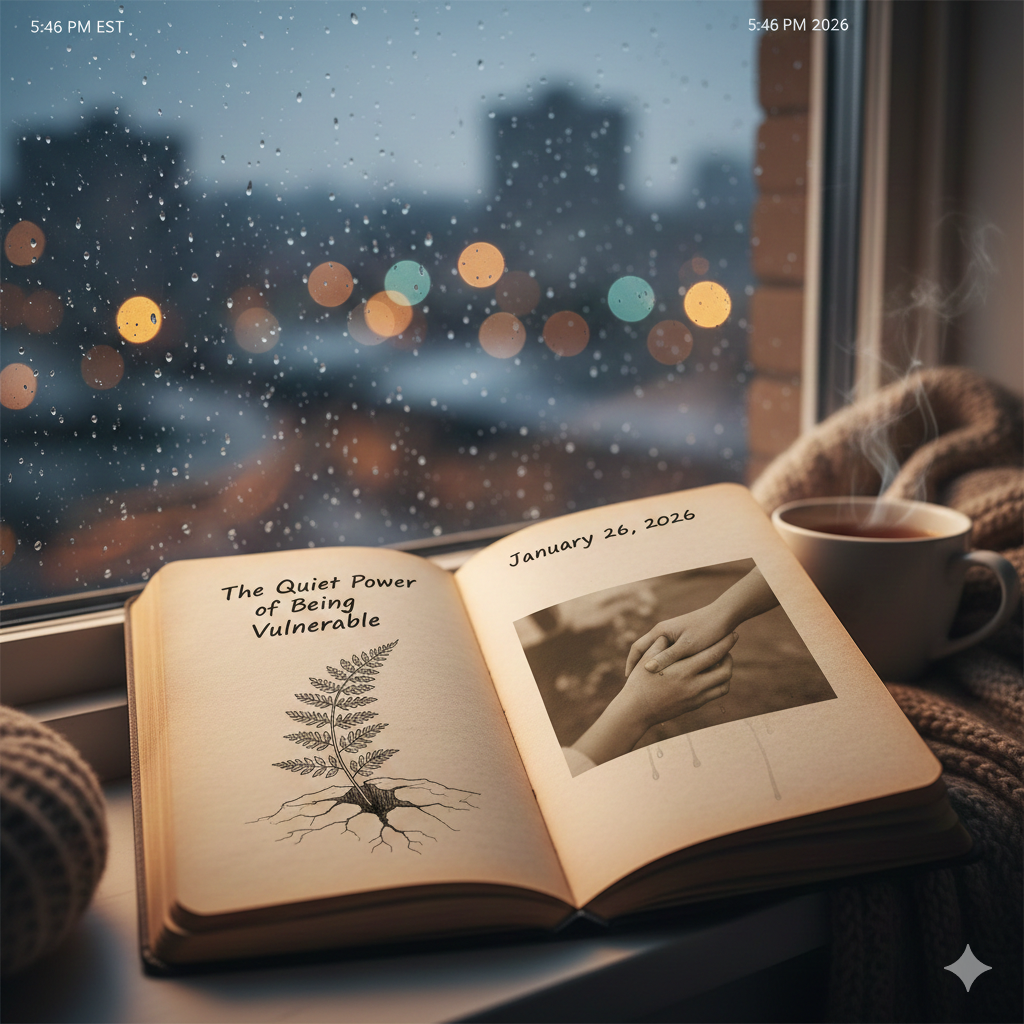
We’ve been sold a lie about strength. For generations, we’ve equated power with invulnerability, with being unshakeable, with never letting them see you sweat. The strong person, we’re told, is the one who needs nothing, admits nothing, and shows nothing. But this understanding of strength is not only incomplete; it’s fundamentally backward.
True strength isn’t found in walls we build around ourselves. It’s found in the courage to let those walls come down.When you share your struggles with someone, you’re not exposing weakness. You’re demonstrating that you’re secure enough in yourself to be honest about your humanity. Think about the people you admire most. Chances are, they’re not the ones who pretend to have it all figured out. They’re the ones who can laugh at their mistakes, admit when they’re wrong, and talk openly about their failures and fears. That’s not weakness on display. That’s confidence.
Vulnerability requires tremendous courage because it means accepting risk. When you open up to someone, you’re handing them the power to hurt you. You’re saying “here I am, undefended” in a world that often punishes such honesty. The person who can do this understands something profound about strength: it’s not about being impervious to pain, but about being willing to feel it anyway.
Consider what it actually takes to be vulnerable. It requires deep self-awareness to recognize your own emotions and struggles in the first place. It demands emotional regulation to express these feelings without being overwhelmed by them. It needs trust, both in yourself and in others. And it requires the fundamental belief that you’re worthy of connection even when you’re not perfect. None of these qualities are signs of weakness. They’re the building blocks of genuine resilience.
The alternative to vulnerability is isolation. When we refuse to let others see our struggles, we cut ourselves off from the very connections that make us human. We condemn ourselves to carrying our burdens alone, and we rob others of the chance to know us as we really are. That’s not strength; it’s just loneliness dressed up in armor.
Vulnerability also breeds trust in ways that invulnerability never can. When you share something real with someone, you create permission for them to do the same. You build bridges instead of walls. The strongest relationships, whether personal or professional, are built on this foundation of mutual openness. Leaders who can admit mistakes earn more loyalty than those who pretend to be infallible. Friends who can cry together forge deeper bonds than those who only share highlight reels.
There’s a practical strength to vulnerability as well. When you can acknowledge your limitations, you can ask for help. When you can admit you don’t know something, you can learn. When you can recognize your mistakes, you can correct them. The person who must always appear strong becomes brittle, unable to adapt or grow because growth requires admitting you haven’t arrived yet.
Vulnerability is also the birthplace of creativity and innovation. Every artist who shares their work makes themselves vulnerable to criticism. Every entrepreneur who pitches an idea risks rejection. Every person who tries something new accepts the possibility of failure. Without vulnerability, we’d never create anything, never try anything, never become anything more than we already are.
The confusion between vulnerability and weakness often comes from conflating exposure with helplessness. But there’s a crucial difference. Helplessness is being unable to protect yourself. Vulnerability is choosing not to, despite being able to. One is forced upon you; the other is a decision you make. That decision requires agency, self-possession, and yes, strength.
This doesn’t mean you should be vulnerable with everyone about everything. Healthy vulnerability is discerning. It means choosing to open up to people who’ve earned your trust, in contexts where honesty serves a purpose. It means knowing the difference between being authentic and oversharing, between emotional honesty and emotional dumping. The strength is in knowing when to be vulnerable and having the courage to do it.In a world that constantly pushes us to curate perfect versions of ourselves, choosing to be real is an act of rebellion. It says that you refuse to participate in the exhausting performance of invulnerability. It says you’re brave enough to be seen as you are, not as you think you should be.
The strongest people aren’t those who never fall down. They’re the ones who can say “I fell down” and get back up anyway. They’re the ones who can ask for a hand when they need one. They’re the ones who understand that admitting fear doesn’t make you a coward, and admitting doubt doesn’t make you weak. It just makes you honest, and honesty takes guts.
Vulnerability is strength because it requires everything that strength actually is: courage, self-awareness, resilience, and the profound understanding that being human isn’t something to hide. It’s something to honor.