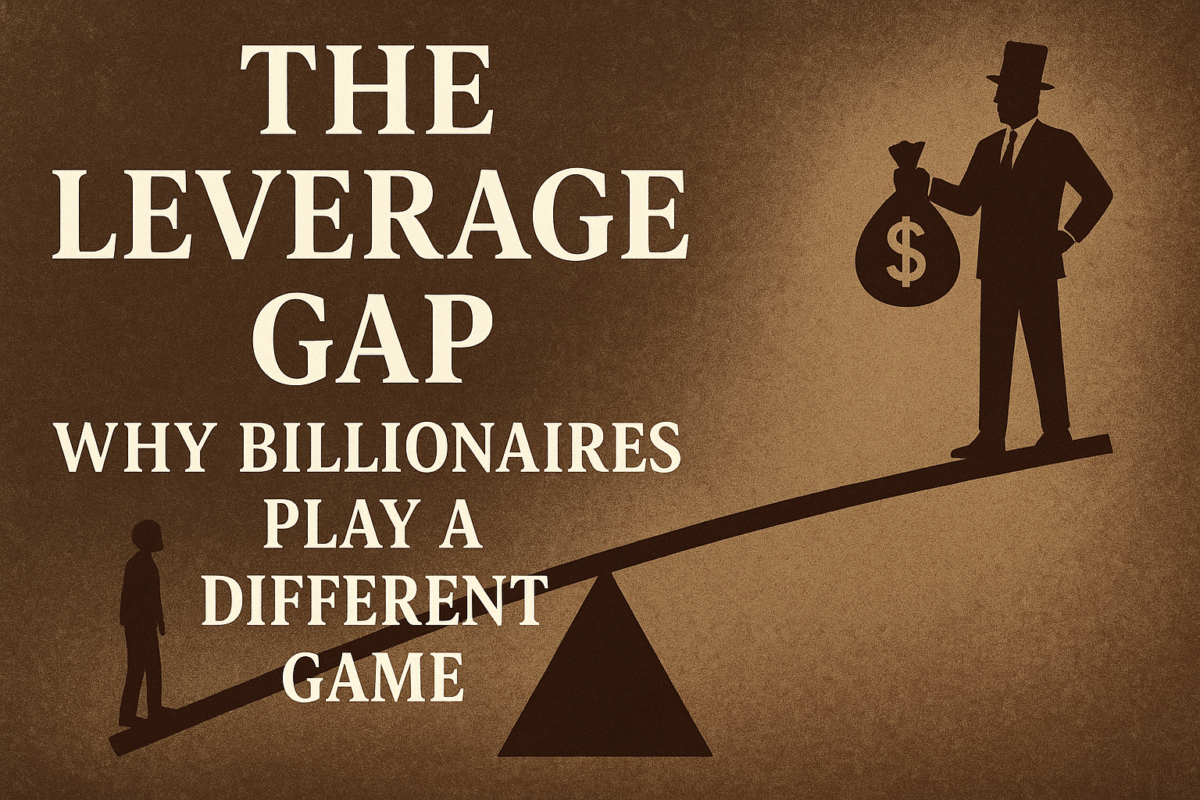
The modern world is obsessed with wealth. From financial news headlines to self-help gurus, the message is constant: accumulate more money, and you will achieve happiness and success. Yet, a deeper look into human motivation reveals a profound truth: the relentless pursuit of wealth is often merely a proxy for a far more ancient and powerful drive—the desire for status. For the average person, the ultimate goal is not the number in a bank account, but the respect, recognition, and standing that number can buy.
Wealth, in its purest form, is simply a tool for security and comfort. Once basic needs are met, the utility of each additional dollar begins to diminish rapidly. A person with a secure home and reliable food supply is not exponentially happier with ten times the money hidden away in a vault. The true power of money is unlocked when it is converted into a visible signal of success. This is the realm of conspicuous consumption, a concept that perfectly illustrates the primacy of status. People do not buy luxury cars, oversized homes, or designer clothing simply for their superior function; they buy them because these items are universally understood symbols that broadcast their position in the social hierarchy. The purchase is not about the object itself, but about the social transaction it facilitates—the elevation of one’s status in the eyes of others.
The drive for status is rooted in our evolutionary and social psychology. Humans are fundamentally social animals, and our well-being is inextricably linked to our place within the group. Status provides access to resources, mating opportunities, and, most importantly, social acceptance and respect. These are not abstract concepts; they are tangible psychological rewards that directly impact self-esteem and happiness. A person who feels respected and valued by their community, regardless of their net worth, is often more content than a recluse billionaire who lacks social standing. The sting of being looked down upon, of feeling irrelevant or invisible, is a far greater motivator for action than the simple desire for an extra layer of financial security.
This is why economic inequality creates such a restless environment. It is not just the absolute difference in wealth that causes distress, but the constant, visible comparison that reinforces one’s relative status. When a society is highly unequal, the pressure to signal success intensifies, compelling individuals at all levels—the poor striving for basic dignity, the middle class fighting to keep up, and the rich competing for the top rung—to seek more. They are not chasing dollars for their own sake; they are chasing the social distance those dollars represent.In the end, the dollar is just paper, a medium of exchange. The true, non-diminishing currency in the human experience is standing. It is the recognition that you matter, that your opinions are valued, and that you occupy a respected place in the social order. The average person understands this intuitively. They may tell themselves they are working for a bigger paycheck, but deep down, they are working for the nod of approval, the envy of a neighbor, or the admiration of a peer. They are working for status, and wealth is merely the most efficient tool they have found to acquire it.