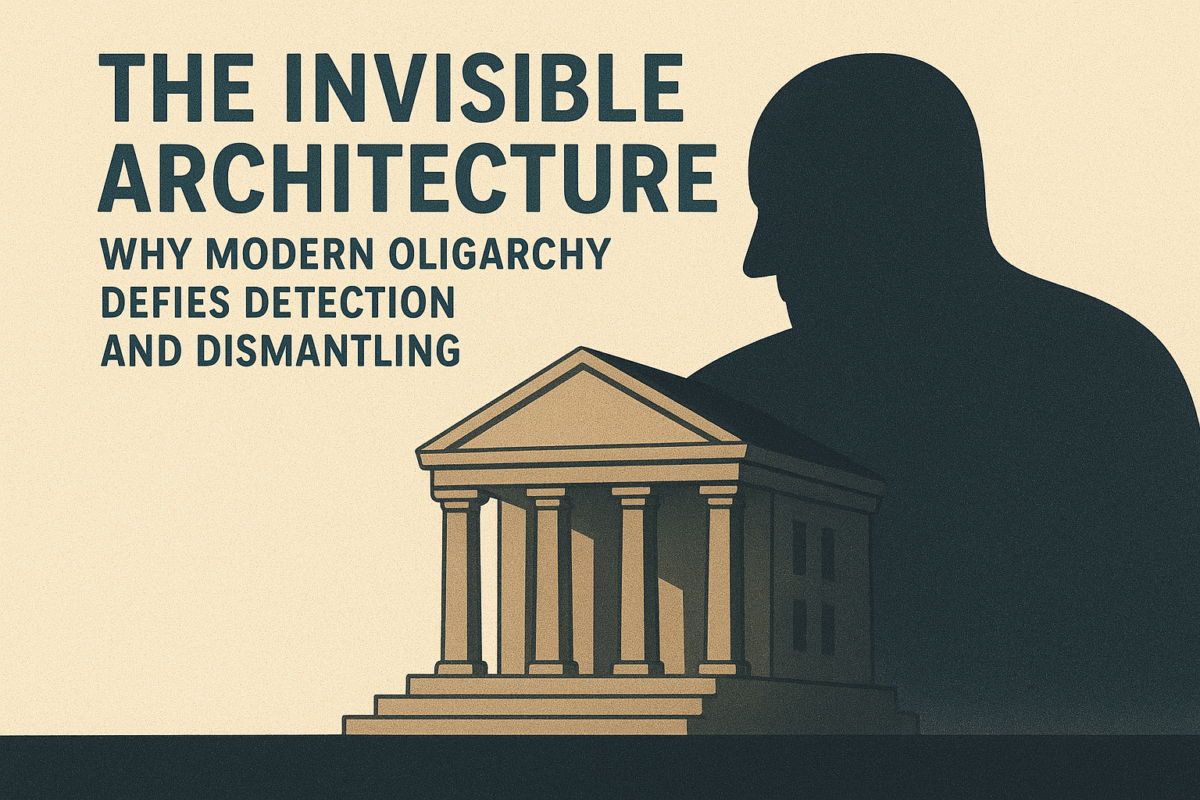
They think they’re keeping the show running; in truth, they are the safety pins holding the straitjacket closed.Everyone can see the cracks in the wall: the pay that never stretches far enough, the news that reads like a press release, the politician who smiles like a late-night host and governs like an auctioneer. We complain, we meme, we vote for the other team, and yet the wall stands. The reason is not a shadowy cabal in a boardroom whose name we are forbidden to speak; it is the helpful, bustling crowd in the corridor right outside that same boardroom, volunteering to tighten the bolts.
These volunteers are the useful idiots. The phrase sounds cruel, but it is not an insult; it is a job description. They are not stupid in the everyday sense—some have degrees, corner offices, or followings that hang on their every thread. What makes them “useful” is their willingness to oil the machine without ever reading the manual. What makes them “idiots” is their refusal to believe the machine can run in any direction but forward.
Take the middle manager who prides himself on “keeping the lights on.” He has never once asked why the building needs so many lights, or why half the staff are on temporary contracts that expire every twelve weeks. His entire identity is stitched to the idea that if he just enforces the deadline, meets the metric, and stays late, the system will reward him. The reward never arrives, but the hope does all the work loyalty was supposed to do. Every time he scolds a subordinate for missing an arbitrary target, he thinks he is protecting order; in reality he is protecting the very chaos that keeps his own paycheck small and his future precarious.
Shift to the teacher who knows the curriculum is hollow and the tests measure nothing except the size of the houses along the school bus route. She tells herself that if she just adds a five-minute “creative enrichment” slot at the end of the day, she can still save a few minds. So she hands out the same worksheet packet she despises, collects the data the district demands, and quietly uploads the numbers that will justify cutting art and music next year. She believes she is minimizing damage; instead she is normalizing it. The system does not need true believers; it needs people who believe they are only following orders “for now.”
Or watch the cop who joined the force to protect old ladies on grocery day. He records every quota he hits, every stop-and-search he initiates because the sergeant “asked nicely.” He posts videos of himself buying lemonade from neighborhood kids, evidence that he is one of the good ones. Each upload is a tiny deposit in the public-relations account that underwrites the next no-knock raid. He thinks he is polishing a badge; he is actually polishing the barrel of a gun pointed at the same kids when they turn fifteen.The beauty of the useful idiot is that he never feels used. He is given small, dignified titles: Team Lead, Senior Coordinator, Officer Friendly. The titles cost the system nothing and purchase everything. They turn resentment inward: if the promotion did not come, it must be his own skill gap, his own attitude, his own failure to lean in. The hamster who suspects the wheel is crooked will run faster, convinced that speed straightens the path.
This is how evil becomes administrative. It does not arrive with goosesteps and torchlight parades; it arrives with a new color-coded spreadsheet and a mandatory webinar. The death camps of one century were staffed by clerks who merely “processed paperwork,” and the camps of the next century will be staffed by coders who merely “optimize throughput.” No one has to believe in the mission; they only have to believe that the form must be stamped, the algorithm must be trained, the queue must keep moving. The greatest atrocities are not committed by zealots who love the system but by pragmatists who love their place inside it.The moment one of them hesitates, the system offers a gentle reminder: “You’re not like those lazy cynics on the outside. You’re a fixer, a helper, a realist.” The compliment is precision-engineered to flip every doubt into renewed effort. The moment someone proposes a bigger fix—unionize, strike, withhold the data, leak the memo—the same people who stayed late to help now stay late to help crush the rebellion. They know the intranet passwords, they know the shift schedule, they know exactly which valve to close so the uproar suffocates quietly. The system could not survive without that knowledge, and it could not obtain it at gunpoint; it obtains it with a plaque that reads “Employee of the Month.”
What keeps the whole arrangement breathable is the myth of neutrality. The useful idiot believes he is politically agnostic, “just doing my job.” But neutrality in an unjust structure is not impartial; it is a partisan vote for the structure. There is no vacuum between left and right, only a conveyor belt that moves in one direction: toward consolidation of power and profit. Standing still on that belt is indistinguishable from marching.
The escape route is not another seminar on “ethical leadership” paid for by the same company that froze wages. It is much simpler and much harder: refuse the small bribe of feeling indispensable. Stop answering emails after hours, stop covering shifts when the boss refuses to hire, stop repeating the talking point that “both sides are equally bad” when only one side signs your paycheck. Stop believing that incremental compromise is the only adult stance, while incremental exploitation is just the way of the world. The world is not a weather system; it is a house that idiots keep painting and repainting while the foundation is mined out from under them.
The system does not fall when its architects are unmasked; they are already visible, already hated, and already replaceable. It falls when the hall monitors walk away, when the data entry clerk types random numbers, when the soldier reports for duty and then sits down and refuses to move. The bolt that refuses to turn is the one that brings the machine to a smoking halt, not the bolt that squeaks in protest while still holding the gears together.
Until that happens, the cracks will widen, the rent will rise, the air will thicken, and the useful idiots will keep patching the holes with their own uniforms, convinced that diligence is the same as safety. They are not the villains of the story; they are the tragic chorus, narrating the calamity they themselves are staging, applauding each scene as the ceiling lowers, reassuring one another that at least the building is still standing.And it is—right up until the night it isn’t. On that night, the same people who once volunteered to guard the door will be seen wandering the rubble, dazed, repeating the only article of faith they have left: “Nobody could have seen this coming.” The rest of us, the ones who warned them every day, will have to decide whether to offer comfort or to keep walking, leaving them to the mercy of the walls they insisted were load-bearing. Either way, the system they upheld will finally be visible for what it always was: a joint project between those who design ruin and those who agree to staff the gift shop on the edge of the crater.