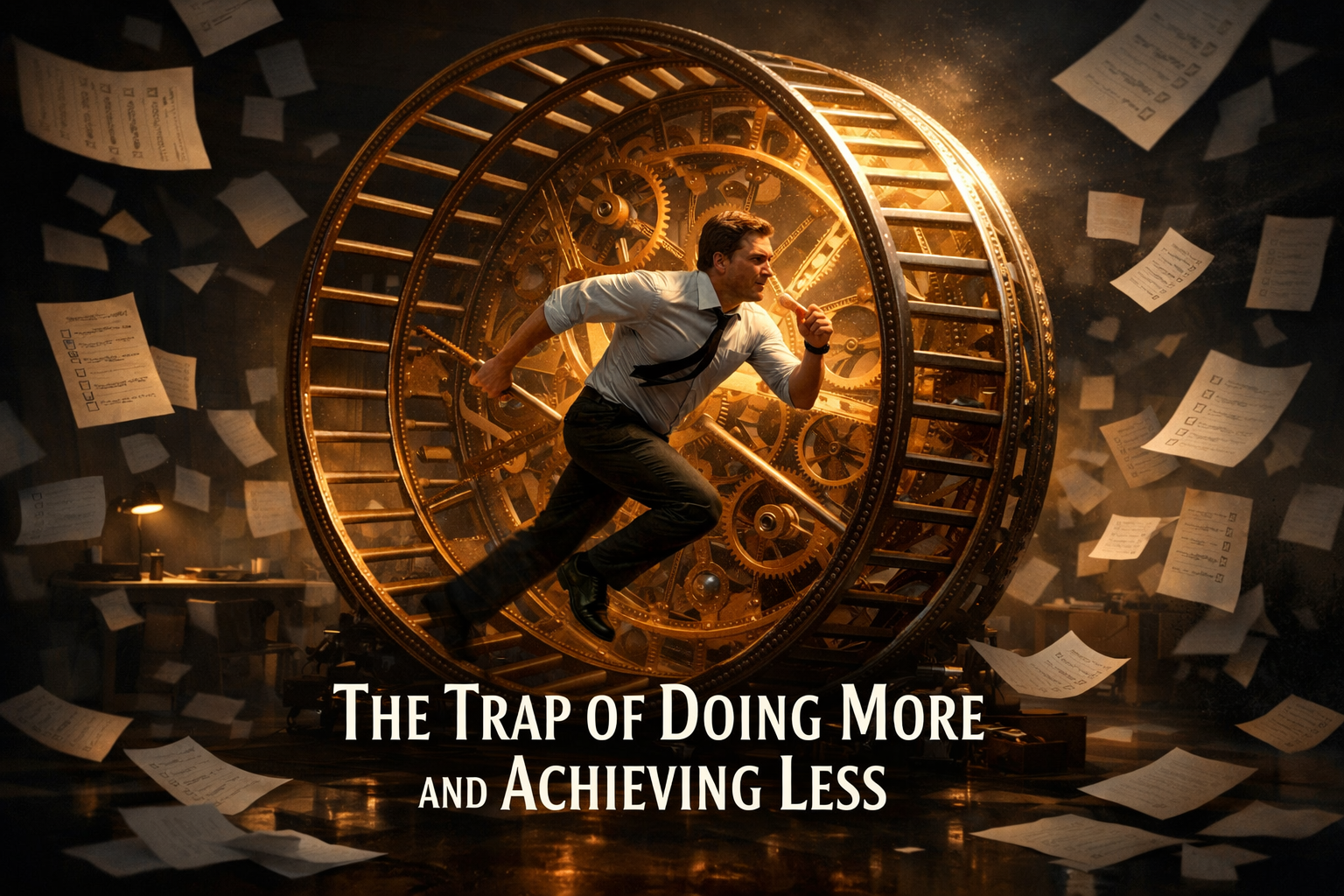
There’s a point in every blogger’s journey where productivity becomes a distraction. It doesn’t feel like a distraction at first. It feels like progress. You’re publishing consistently, your article count is climbing, and your site looks more active than ever. On the surface, everything suggests you’re moving forward.But underneath that activity, something can quietly go wrong. You can become trapped in low-value work, spending your time generating more and more articles without actually building anything meaningful.
The problem isn’t writing itself. Writing is the core of blogging. The problem is confusing volume with value. It’s easy to believe that if you just keep publishing, results will eventually follow. That mindset is comforting because it gives you a clear path. Keep going, keep producing, and trust that the numbers will add up.In reality, they often don’t.Not all articles are equal. Some pieces have the potential to attract readers for years, while others disappear almost as soon as they’re published. When you focus only on output, you stop asking the most important question, which is whether what you’re creating actually matters. You begin to treat every article as if it carries the same weight, even when it clearly doesn’t.
This is how bloggers get stuck. They fill their sites with content that looks impressive in quantity but lacks direction. There’s no structure tying it together, no clear signal to readers or search engines about what the site truly offers. Each new article adds more noise instead of more clarity.
It’s a subtle trap because it rewards effort. You can spend hours writing and feel productive at the end of the day. You can point to your growing archive as proof that you’re committed. But effort alone doesn’t guarantee progress. If the work isn’t aligned with a larger goal, it becomes busywork.
Low-value activity often hides behind good intentions. You might tell yourself that you’re experimenting, or that you’re covering more topics to reach a wider audience. But without a clear strategy, that expansion dilutes your impact. Instead of becoming known for something, you become scattered. Readers don’t know what to expect, and without that expectation, they have no reason to return.
There’s also a cost that isn’t immediately visible. Every low-impact article takes time and energy that could have been invested elsewhere. You could have refined an existing piece, improved your internal linking, or focused on distribution. You could have built depth instead of spreading yourself thin. Over time, these missed opportunities compound.
The most effective blogs don’t just grow outward. They grow inward. They strengthen their best content, build connections between ideas, and create a sense of cohesion. Each article supports the others, forming a network rather than a pile. This kind of growth doesn’t come from chasing volume. It comes from deliberate effort.
That doesn’t mean you should stop publishing. It means you should be more selective about what you publish and why. Each piece should serve a purpose beyond adding to your count. It should either bring in new readers, deepen your authority, or strengthen the structure of your site. If it does none of those things, it’s worth questioning whether it needs to exist at all.
There’s a difference between being busy and being effective. Busy work fills time and creates the illusion of progress. Effective work moves you closer to a specific outcome. The danger is that busy work often feels better in the moment. It’s easier to write another article than to step back and evaluate what’s actually working.
But that evaluation is where real growth happens.
Blogging rewards focus more than effort. It rewards clarity more than volume. The bloggers who break through aren’t always the ones who write the most. They’re the ones who understand where their time creates the most impact and concentrate their energy there.If you find yourself constantly producing without seeing results, it’s worth asking whether you’ve fallen into the trap. Not because you’re doing too little, but because you might be doing too much of the wrong thing.
More content doesn’t automatically mean more progress. Sometimes it just means more clutter. And clutter, no matter how well-written, won’t build the kind of blog that lasts.