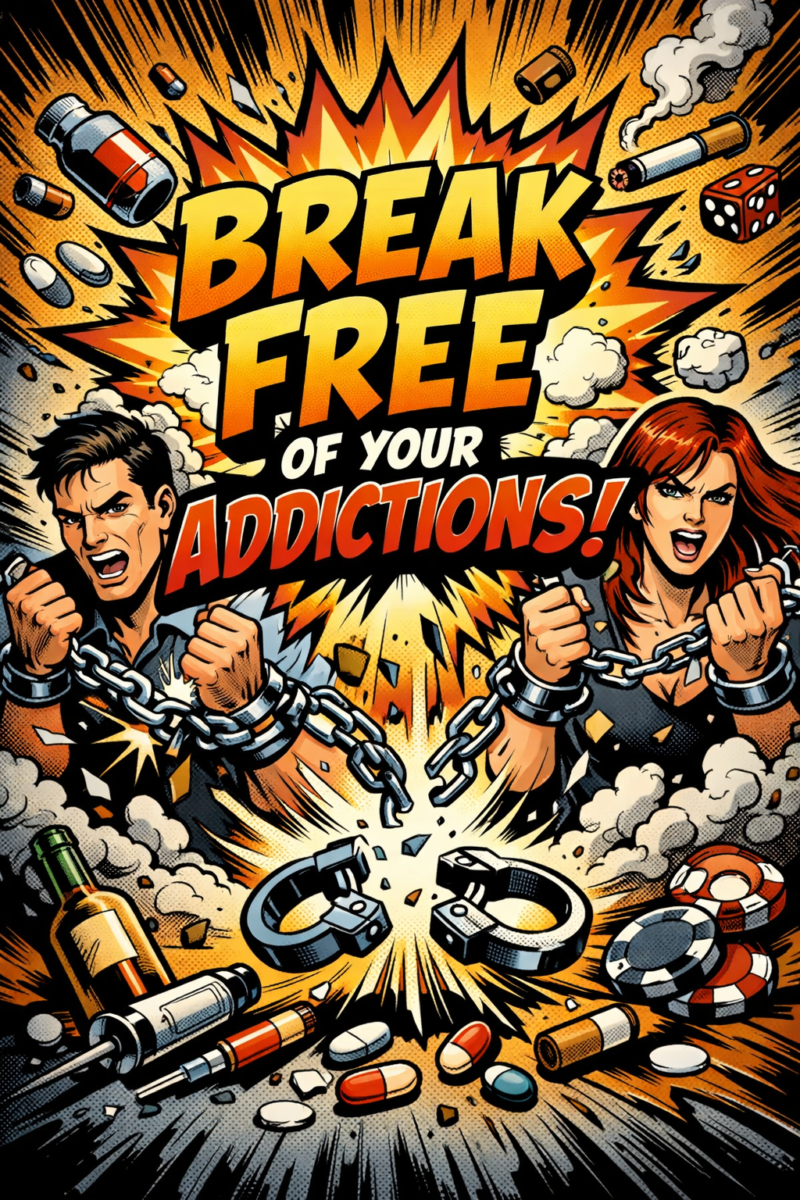
We talk about addiction in terms of chains, of being trapped, of losing control. And while those metaphors capture something true about the experience, they don’t quite prepare you for what happens when you actually quit. The real surprise isn’t just the absence of those chains. It’s discovering a kind of freedom you didn’t even know you’d lost.
When you’re in the grip of an addiction, whether it’s to substances, behaviors, or patterns that no longer serve you, your world gradually shrinks. At first, the shrinking is almost imperceptible. You make small accommodations. You skip one event because it conflicts with your habit. You tell one small lie to cover your tracks. You spend money you hadn’t planned to spend, time you didn’t think you could spare. Each compromise feels manageable in isolation, but they accumulate like interest on a debt you never agreed to take on.
The insidious thing about addiction is how it masquerades as freedom itself. That drink promises relaxation. That substance offers escape. That compulsive behavior provides relief or excitement or numbness or whatever it is you think you need in that moment. The addiction whispers that it’s giving you something, that it’s your choice, that you’re in control. And for a while, you might believe it.But then you start to notice the pattern. You can’t go to that party because there won’t be an opportunity to indulge. You can’t take that trip because it would interrupt your routine. You can’t be fully present with the people you love because part of your mind is always calculating when you can next feed the craving. Your days begin to orbit around a single point of gravity, and everything else gets pulled into a tighter and tighter circle.
When you quit, the first thing you notice is the void. Where that habit lived, there’s suddenly space. And space can feel terrifying. You might have been using your addiction to avoid boredom, loneliness, anxiety, or feelings you didn’t want to face. Now those feelings show up uninvited, and you have to learn to sit with them. This is the part that makes people turn back. The freedom feels less like liberation and more like being thrown into deep water without knowing how to swim.
But if you push through that initial discomfort, something remarkable begins to happen. You start to reclaim time you didn’t realize you’d lost. Not just the literal hours spent on the addiction itself, but the mental space it occupied. The planning, the hiding, the recovering, the shame spiraling, the bargaining with yourself about when you’ll stop or cut back. All of that dissolves, and suddenly you have room in your head for other things.
You start making decisions based on what you actually want, not what your addiction will permit. You can say yes to spontaneous plans. You can travel without anxiety about access or withdrawal. You can look people in the eye without wondering if they can tell. You can spend money on things that matter to you instead of feeding a habit that takes and takes and gives back less and less.
There’s a physical freedom too. Your body, no longer constantly processing substances or recovering from behaviors that stressed it, begins to find its natural rhythm. Sleep improves. Energy stabilizes. You start to feel like you’re inhabiting your own skin instead of just surviving in it. The fog lifts, and you remember what it feels like to be clear-headed, to wake up without regret, to move through your day without the constant background noise of craving.
Perhaps the deepest freedom is the freedom from the future you were heading toward. Every addiction has a trajectory, and if you follow it long enough, you know where it leads. Maybe it’s declining health, damaged relationships, financial ruin, or just a slow erosion of everything you care about. When you quit, you step off that predetermined path. The future becomes open again, unknown in a way that feels like possibility rather than dread.
This doesn’t mean quitting is easy or that the freedom comes all at once. Recovery is rarely a straight line. There are hard days when the old patterns call out to you with promises they can’t keep. There are moments when freedom feels like too much responsibility, when you miss the simplicity of just giving in. But even on those days, there’s a difference. You’re choosing. You’re awake. You’re free to struggle instead of simply being carried along by a current you can’t resist.
The freedom that comes from quitting isn’t the absence of challenge or discomfort. It’s the presence of choice. It’s the ability to build a life that reflects your values instead of your dependencies. It’s the quiet dignity of keeping promises to yourself. It’s the expansion that happens when you’re no longer constantly contracting around a single, demanding need.
In the end, addiction promises freedom but delivers a cage that gets smaller every day. Quitting breaks open that cage. And yes, the world outside can feel overwhelming at first. But it’s your world again, wide and wild and full of possibility. That’s the freedom worth fighting for.