There’s a peculiar cruelty in the expectation that blood relation alone should determine who gets unlimited access to your life. We’re taught from childhood that family is everything, that loyalty to relatives is sacred, that you should forgive and forget no matter how many times you’re hurt. But what nobody tells you is that some of the most damaging relationships you’ll ever experience can come from the people who share your last name.Leaving toxic family members isn’t about being vindictive or cruel. It’s about recognizing that your mental health, your peace of mind, and your very sense of self are worth protecting. It’s one of the purest forms of self-respect you can practice.
The word “toxic” gets thrown around carelessly these days, but when it comes to family dynamics, it describes something very specific and very real. Toxic family members are the ones who consistently drain your energy, dismiss your feelings, manipulate your emotions, or make you feel small. They’re the parents who never stopped criticizing everything you do, the siblings who undermine your accomplishments, the relatives who weaponize guilt to control your choices. They’re the people who turn every gathering into an anxiety-inducing ordeal and every phone call into an emotional minefield.What makes these relationships particularly insidious is the invisible script we all carry about what family is supposed to mean. Society hands us this narrative that family members deserve infinite chances, that cutting them off is selfish, that you’ll regret it someday. The guilt is overwhelming. You find yourself making excuses for inexcusable behavior, minimizing abuse that you’d never tolerate from anyone else, sacrificing your own wellbeing on the altar of obligation.
But here’s the truth nobody wants to say out loud: staying connected to people who harm you, regardless of their genetic connection to you, will slowly destroy you from the inside out. The damage isn’t always obvious at first. It accumulates like poison in your system. You might notice you’re more anxious before family events, that you dread phone calls that should feel normal, that you need days to recover emotionally after spending time with certain relatives. You might find yourself doubting your own perceptions, second-guessing your worth, or feeling perpetually inadequate despite evidence to the contrary.
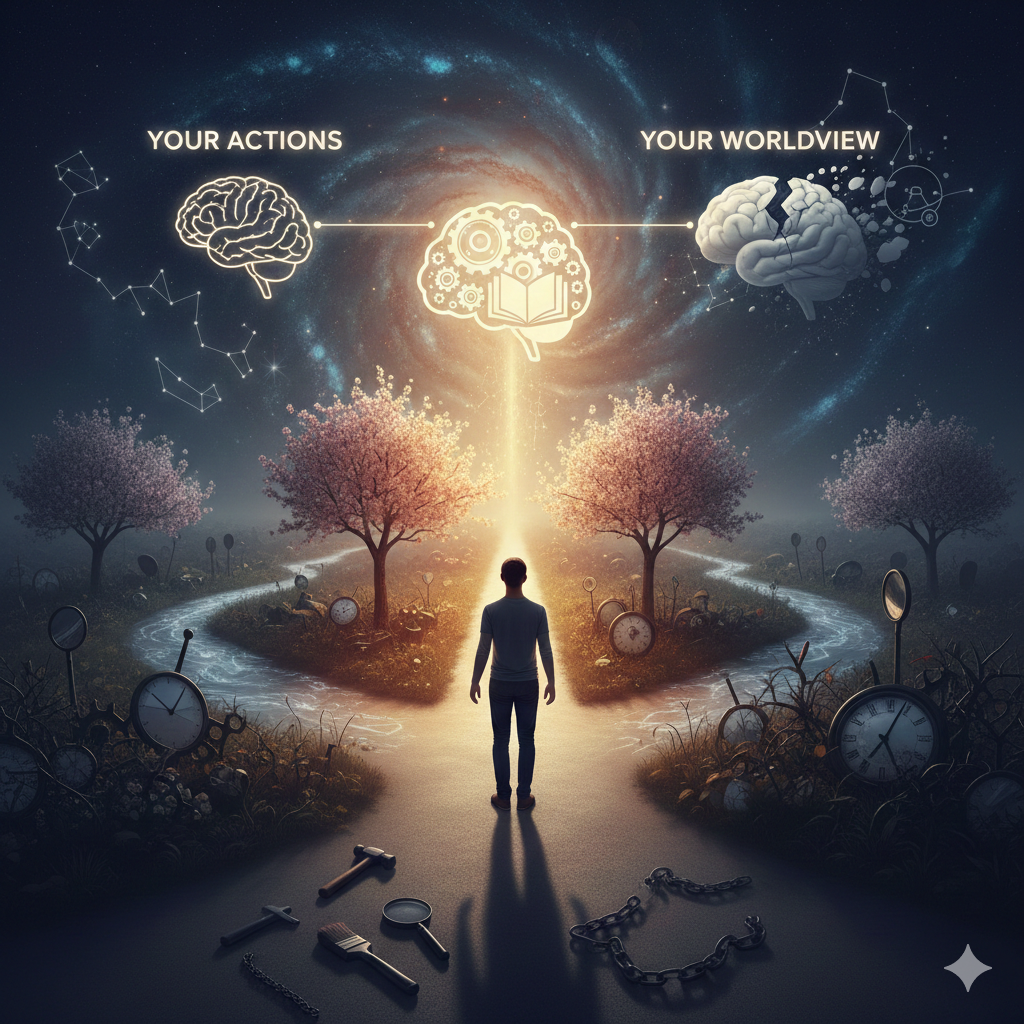
The health consequences are real and documented. Chronic stress from toxic relationships doesn’t just make you feel bad in the moment. It elevates your cortisol levels, disrupts your sleep, weakens your immune system, and increases your risk for everything from heart disease to depression. Your body keeps the score even when you try to convince yourself that you’re handling it fine. The headaches, the digestive issues, the constant fatigue—these aren’t coincidences. They’re your body’s way of screaming that something is very wrong.Beyond the physical toll, there’s the way toxic family dynamics warp your entire worldview. When the people who are supposed to love you unconditionally treat you as though your feelings don’t matter, you internalize that message. You start to believe you’re too sensitive, too demanding, too much trouble. You learn to make yourself smaller, quieter, less authentic just to keep the peace. You carry these learned patterns into every other relationship in your life, attracting people who treat you the same way or sabotaging genuine connections because healthy love feels foreign and uncomfortable.
Choosing to distance yourself or completely sever ties with toxic family members is an act of profound courage. It means accepting that the family you were born into might not be the family you deserve. It means grieving not just for the relationship as it is, but for the relationship you wish you had—the parent who could have been supportive, the sibling who could have been kind. That grief is real and it’s heavy, and anyone who tells you to just get over it doesn’t understand what you’re walking away from.
But on the other side of that grief is something extraordinary: the possibility of building your own sense of family based on mutual respect, genuine care, and emotional safety. The friends who show up when you need them, the chosen family who celebrates your victories without jealousy, the partner who treats you with the kindness you always deserved—these relationships can fill your life in ways that toxic blood relatives never could.
Setting boundaries or walking away doesn’t mean you’re abandoning the concept of family. It means you’re honoring what family should actually be: a source of support, not suffering. It means you’re refusing to participate in cycles of dysfunction that have probably been repeating for generations. Someone has to be brave enough to say “this stops with me,” and that someone might need to be you.
You don’t owe anyone continued access to your life simply because you share DNA. You don’t owe endless second chances to people who never learned from the first hundred. You don’t owe your mental health, your peace, or your future to people who have demonstrated repeatedly that they won’t cherish these gifts. What you owe yourself is honesty about what these relationships cost you and the willingness to protect yourself even when it’s hard.The path forward isn’t easy. There will be people who don’t understand, who judge you harshly, who insist that real family sticks together no matter what. Let them think what they want. They’re not living your life or carrying your pain. Your job isn’t to make other people comfortable with your boundaries. Your job is to survive and hopefully thrive, and sometimes that means making choices that look selfish to people who have never had to make them.Years from now, when you’ve had time to heal and distance yourself from the chaos, you’ll likely look back and realize that leaving was the moment everything changed. Not because walking away solved all your problems, but because it gave you the space to discover who you are without the constant weight of other people’s dysfunction on your shoulders. You’ll remember that choosing yourself wasn’t cruel—it was necessary. And that realization alone makes the difficult journey worth taking.