When people think about where to live, they often focus on obvious factors like job opportunities, climate, or proximity to family. But there’s another consideration that deserves more attention: the level of economic inequality in a country. While some degree of inequality exists everywhere, research and real-world experience suggest that living in places with extremely high inequality can significantly affect your daily life and long-term wellbeing.
The relationship between inequality and social cohesion is one of the most consistent findings in social science. When the gap between the wealthiest and everyone else grows too large, societies begin to fray in measurable ways. Trust between strangers declines. People become more suspicious of institutions. The sense of shared purpose that holds communities together starts to weaken. This isn’t just abstract sociology—it manifests in concrete ways that touch ordinary lives.
Consider what happens in highly unequal societies when economic stress builds up. Rather than pulling together, communities often fracture along economic lines. Crime rates tend to rise, not just property crime driven by desperation, but also violent crime fueled by frustration and hopelessness. Public spaces become less welcoming as those who can afford it retreat into gated communities and private amenities. The social fabric that makes a place feel like home begins to unravel.
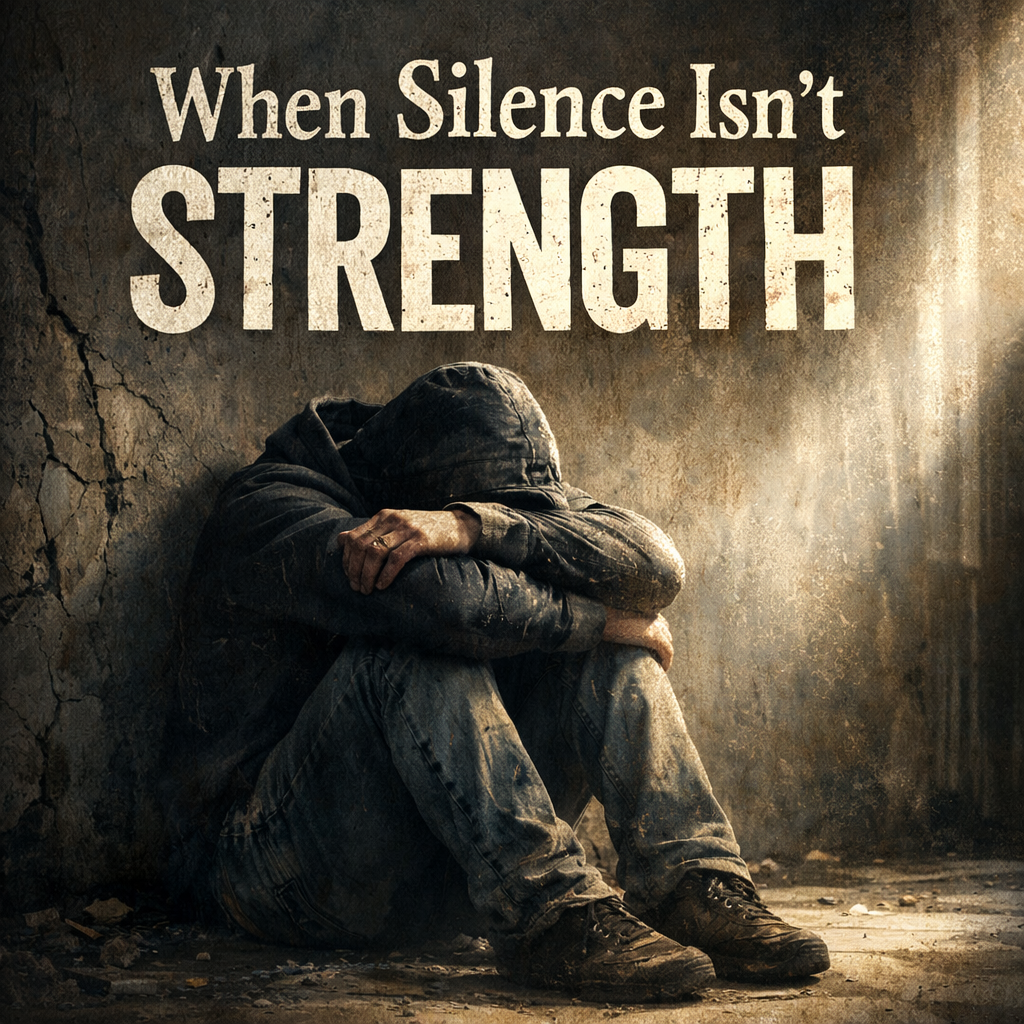
Perhaps even more immediately relevant is what high inequality means if you’re struggling in your career. In more equal societies, safety nets tend to be stronger and more comprehensive. If you lose your job, get sick, or hit a rough patch, there are systems in place to help you get back on your feet. Healthcare is more accessible. Education is more affordable. Housing assistance is more available. The fall from middle class stability to genuine hardship is cushioned by institutions that recognize everyone deserves basic security.
But in highly unequal countries, these safety nets are often threadbare or nonexistent. The logic seems to be that those who succeed deserve everything, while those who struggle deserve little. This creates a precarious existence for anyone not firmly established in the upper reaches of the income distribution. A job loss can quickly spiral into an inability to afford healthcare. A medical emergency can lead to bankruptcy. The distance between doing okay and genuine desperation is terrifyingly short.
There’s also a psychological dimension worth considering. Living in a highly unequal society means constantly confronting the vast gulf between your circumstances and those of the wealthy elite. You see luxury developments rising while your neighborhood decays. You watch political influence flow to those who can afford it while your concerns go unheard. This isn’t about envy—it’s about the very real sense that the system isn’t designed with your interests in mind. That feeling of powerlessness and exclusion takes a toll on mental health and life satisfaction in ways that are hard to quantify but impossible to ignore.
The political consequences of high inequality also ripple through daily life. When economic divisions grow extreme, politics becomes more polarized and dysfunctional. Compromise becomes harder because the stakes feel existential—different groups genuinely live in different economic realities. Populist movements gain strength by promising simple solutions to complex problems. Policy becomes gridlocked as opposing sides dig in. The result is often government that serves narrow interests rather than the broader public good.Interestingly, moderate inequality doesn’t mean everyone earns exactly the same amount. Some inequality can actually be healthy for a society—it rewards effort, innovation, and skill development. The question is one of degree. In countries with moderate inequality, differences in income exist but they don’t create entirely separate worlds. A software engineer might earn more than a teacher, but the teacher can still afford decent housing, healthcare, and a dignified retirement. Success is rewarded without consigning the less economically fortunate to grinding poverty.
These more equal societies also tend to have higher social mobility. When inequality is extreme, the circumstances of your birth largely determine your adult outcomes. Growing up poor means inferior schools, fewer connections, and limited opportunities. But in countries where inequality is kept in check, the playing field is more level. Public schools are better funded. University is accessible to talented students regardless of background. The child of a factory worker has a genuine shot at becoming a doctor or engineer.
This matters even if you’re not currently struggling. Knowing that you live in a society with genuine opportunity and real safety nets provides a sense of security that’s valuable in itself. You can take risks in your career knowing that failure won’t be catastrophic. You can invest in developing skills rather than simply chasing immediate income. You can participate in civic life without feeling that the game is rigged against people like you.None of this means that countries with low inequality are paradise. They face their own challenges and trade-offs. Some people argue that high taxes and strong welfare states reduce economic dynamism. Others point out that even relatively equal societies have their own problems with integration, political conflict, and social change. Fair points, all of them. But when it comes to creating conditions where ordinary people can live secure, dignified lives, the evidence strongly suggests that keeping inequality in check matters enormously.
For anyone thinking about where to build a life, this is worth weighing seriously alongside more obvious considerations. A country might have good weather and plenty of jobs, but if inequality is extreme, you’re accepting significant risks to your long-term security and wellbeing. The social unrest, political dysfunction, and absence of safety nets that tend to accompany high inequality aren’t just background conditions—they’re factors that will shape your daily experience in profound ways.
The good news is that you do have some agency here. People can and do vote with their feet, choosing to live in countries or regions where inequality is more moderate and social cohesion stronger. It might mean accepting a lower absolute income, but the trade-off of greater security, better public services, and healthier communities is often well worth it. At the very least, understanding how inequality shapes the societies we live in helps us make more informed choices about where and how we want to build our lives.