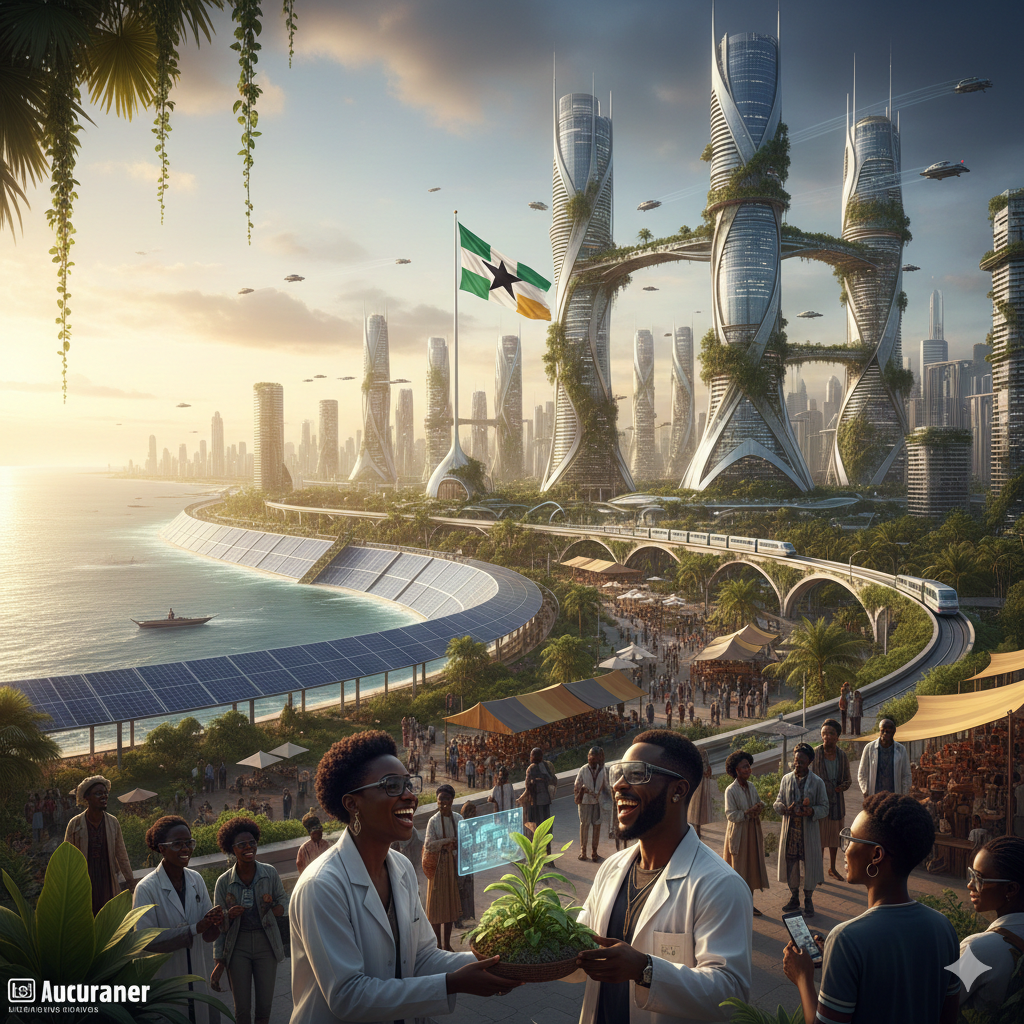
There is a persistent fantasy that floats through political discourse, a dream of a nation so prosperous, so well-managed, that it could snap the golden handcuffs of debt and operate entirely on the money it already has. It is a seductive image, a return to fiscal innocence, a household budget applied to the vast and chaotic entity of a country. But this fantasy crumbles the moment it collides with the most stubborn fact of existence: we live in a physical world, and until further notice, things need to be built, maintained, and rebuilt.
The fundamental misunderstanding about national debt lies in comparing a government to a family or a business. A family saves up to buy a house. A business hoards cash to weather a downturn. But a country is not a consumer of the future; it is the architect of it. A nation is a continuous project, a centuries-long construction site that never receives a final certificate of occupancy. You cannot pause a country. You cannot decide to stop investing in its infrastructure for a decade while you save up the cash, because roads do not wait, bridges do not wait, and the children who need schools today will not be children by the time you have saved enough to build one.
Debt, in this sense, is simply the mechanism by which a nation aligns its timeline with reality. The need for a new water treatment plant, a upgraded power grid, or a sea wall to hold back the rising ocean does not arrive neatly packaged with the tax revenue to pay for it. The need arrives when the old pipe bursts, when the blackouts become routine, when the storm surge proves the old estimates wrong. At that moment, the country must act. It must pull resources from the future to solve a problem in the present because the consequences of inaction are not just financial; they are measured in lost lives, lost time, and lost opportunity.This is the tyranny of the physical. You cannot legislate a pothole closed. You cannot charm a collapsing bridge into standing upright with good intentions. You cannot negotiate with a failing levee. Concrete, steel, and labor exist in a realm untouched by balanced budgets. They demand payment in the currency of the real world. If a nation refuses to borrow to meet these demands, it does not save money; it simply accepts decay. It accepts that its citizens will sit in traffic for hours because the highways are obsolete. It accepts that children will drink contaminated water because the treatment facility is from another era. It accepts that its commerce will be less efficient, its people less safe, and its future less bright.
The argument against debt often carries a moral weight, a sense that borrowing is profligate, a sin against future generations. But what is the greater sin? Leaving our children a ledger sheet with a number in the red, or leaving them a crumbling world where the basic systems of civilization are groaning under the weight of deferred maintenance? Debt is a promise that someone in the future will help pay for what we build today. But if we build nothing, if we refuse to make that promise, we leave them with nothing but the bill for our inaction, a different kind of debt, one of neglect and decay.
Even the most mundane aspects of national life are hostage to this physical reality. A country must maintain a military to ensure its sovereignty, and that requires ships that float, planes that fly, and bases that stand. A country must fund research into medicine and technology, not just for today’s prosperity, but to solve problems that do not yet exist. A country must care for its elderly and its vulnerable, a cost that cannot be deferred until a more convenient fiscal quarter. These are not optional expenses. They are the rent a nation pays for existing in the world.
The alternative to debt is not solvency; it is stagnation. A nation that refuses to borrow is a nation that has decided that its current state is good enough, that no new bridges need to be built, that no new industries need to be fostered, that the status quo is a sufficient inheritance for those who come after. But the physical world does not stand still. It erodes. It rusts. It breaks. To meet the demands of this world, a country must be willing to reach forward in time and make a promise. It must say to its future citizens, we are building this for you, and we trust you to help us pay for it. That trust, that willingness to invest in a future we will not fully see, is not fiscal irresponsibility. It is the only way a civilization endures.