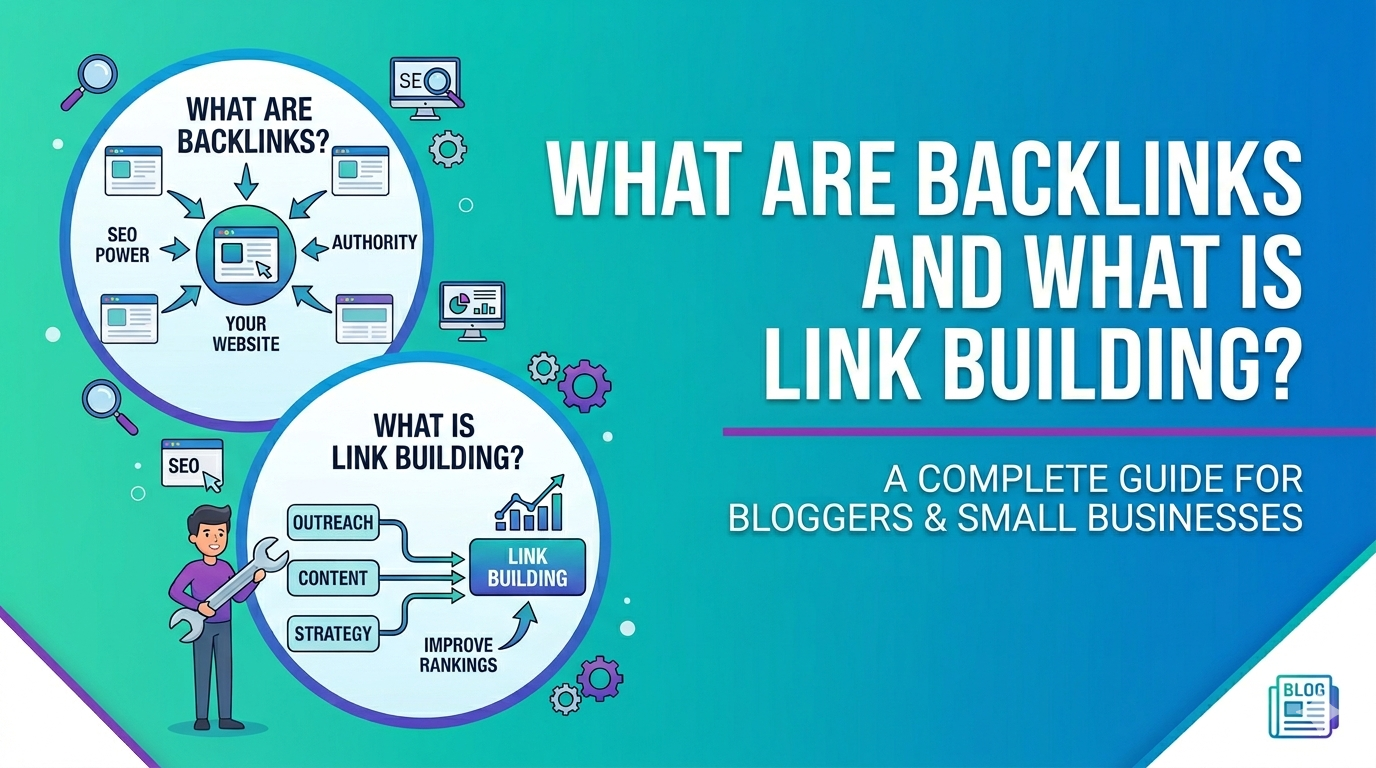
If you have ever tried to grow a website or improve its visibility on Google, you have probably heard people talk about backlinks and link building. These two ideas are closely related, and they sit at the heart of how search engines decide which pages deserve to rank at the top of the results. But for anyone new to the world of search engine optimization, the terminology can feel opaque. This post will break down what a backlink actually is, why it matters, and what link building means in practice.
What Is a Backlink?
A backlink is simply a link from one website to another. When a site includes a hyperlink that points to your site, that hyperlink counts as a backlink for you. Search engines like Google treat these links as votes of confidence. The logic is straightforward: if a reputable website is willing to send its visitors to your page, your page probably offers something valuable, trustworthy, or authoritative.
Not all backlinks carry the same weight. A link from a well-known news publication or an established university domain tends to carry far more influence than a link from a brand new blog with no readership. Search engines evaluate the quality and relevance of the linking site, the context surrounding the link, and the text used to create the link. That text, known as anchor text, gives search engines a hint about what the destination page is about. If a cooking blog links to your page using the phrase “authentic sourdough recipe,” search engines gain a clearer signal that your page is indeed about sourdough bread.
Backlinks also help search engines discover new content. When Google’s crawlers visit a popular page and find a link to your newly published article, they are more likely to find and index your article quickly. Without any backlinks, a page can exist in isolation, making it harder for search engines to notice it and harder for users to stumble upon it through organic search.
What Is Link Building?
Link building is the deliberate effort to acquire backlinks from other websites to your own. It is not a passive activity. It requires research, outreach, relationship building, and often the creation of content that other people genuinely want to reference.
At its core, link building is about earning trust and visibility. The process usually begins with understanding your own site’s strengths. What expertise do you offer? What resources have you created that would be genuinely useful to someone else’s audience? Once you have a clear answer, you identify websites in your niche or related fields that might benefit from linking to your content.Outreach plays a major role in link building. This means contacting webmasters, editors, or content creators and explaining why your resource adds value to their readers. Good outreach is personalized and respectful. It is not about begging for links or sending mass emails to strangers. It is about starting a conversation and offering something of genuine worth.
There are many legitimate strategies within link building. Creating original research, publishing insightful data, or developing free tools can attract links naturally because other writers want to cite authoritative sources. Guest posting on reputable blogs allows you to share expertise while earning a link back to your site. Broken link building involves finding dead links on other websites and suggesting your own relevant content as a replacement. Each of these tactics requires effort, but they share a common goal: earning links that are editorially given because your content deserves them.
Why It All Matters
Backlinks remain one of the strongest signals search engines use to determine rankings. A page with high-quality backlinks tends to outrank similar pages that lack them. Beyond search engine algorithms, backlinks also drive direct referral traffic. A reader who clicks a link on a trusted blog and lands on your site is already predisposed to trust what you have to say.
Link building is not a quick fix. It is a long-term investment in your site’s reputation and authority. The best practitioners focus on quality over quantity, earning links from relevant, respected sources rather than chasing large numbers of low-value links. Search engines have grown sophisticated at detecting manipulative tactics, and attempts to game the system with spammy or purchased links often result in penalties rather than rewards.In the end, backlinks are the currency of the web’s trust economy. Link building is the work of earning that currency through merit, persistence, and genuine value.