Posted on

Submit Your Sitemap

A sitemap is essentially a roadmap of your website that you create specifically for search engines to follow. It is a file, usually formatted in XML, that lists all the important pages on your site along with additional details about each one, such as when it was last updated, how often it changes, and how it relates to other pages on your site. Think of it as a complete index that tells search engine crawlers exactly where to find your content and how to navigate through it.

The importance of submitting a sitemap goes far beyond simply having one sitting in your website’s root directory. When you actively submit your sitemap to search engines like Google through their webmaster tools or search consoles, you are initiating a direct line of communication between your site and the search engine. This submission acts as an invitation for the crawler to visit and index your pages, rather than leaving it to chance that the crawler will stumble upon your site through external links or random discovery.

One of the primary reasons this matters is that it dramatically speeds up the indexing process. Without a submitted sitemap, a search engine might take weeks or even months to discover a new page you have published, especially if your site is relatively new or does not have many external links pointing to it. By submitting a sitemap, you are essentially raising your hand and saying here is my new content, please come look at it now. This is particularly valuable when you launch a new website, add a new section, or publish time-sensitive content that you want to appear in search results quickly.

Another critical aspect is that a sitemap helps search engines understand the structure and hierarchy of your content. It reveals which pages you consider most important and how they connect to one another. This context helps search engines prioritize their crawling efforts, spending more time on your high-value pages and understanding the relationships between different pieces of content. For large websites with thousands of pages, this is absolutely essential because search engines have a limited crawl budget for each site, meaning they will only spend a certain amount of time and resources crawling your pages before moving on. A well-structured sitemap ensures that your most important pages get crawled and indexed, rather than having the crawler waste time on duplicate or low-priority content.

Sitemaps also play a vital role in helping search engines discover pages that might otherwise remain hidden. These are often pages that are not well-linked internally from your homepage or main navigation, perhaps because they are deep within your site architecture or because they are only accessible through search functions or filtered views. Without a sitemap, these orphaned pages might never be found by crawlers, meaning they would never appear in search results no matter how valuable their content might be.

For websites that use rich media, such as videos and images, or that feature content in multiple languages, specialized sitemap extensions can provide search engines with even more detailed information. Video sitemaps can include running times, ratings, and family-friendliness, while image sitemaps help ensure your visual content appears in image search results. Hreflang annotations within sitemaps tell search engines which language versions of a page exist, helping them serve the correct version to users in different regions. This level of detail simply cannot be communicated through normal website navigation alone.

Submitting a sitemap also gives you access to valuable diagnostic information through search console tools. When a search engine processes your sitemap, it will report back on how many of the submitted URLs were successfully indexed, which ones encountered errors, and what types of issues might be preventing proper crawling. This feedback loop is crucial for maintaining the health of your site from a search engine perspective. You might discover that certain pages are blocked by your robots.txt file, that server errors are preventing access, or that pages are being flagged for quality issues. Without the sitemap submission and the subsequent reporting, these problems might go unnoticed for long periods, silently hurting your visibility in search results.

It is worth noting that a sitemap does not guarantee that every page will be indexed, nor does it directly improve your rankings for specific keywords. What it does guarantee is opportunity. It ensures that search engines are aware of your pages and have the best possible chance to evaluate them for inclusion in their index. The actual ranking depends on the quality and relevance of your content, but without indexing, ranking is impossible. A sitemap removes the technical barriers that might prevent a search engine from even considering your page for a given search query.

In the modern web landscape, where content is published at an unprecedented pace and competition for visibility is fierce, relying on organic discovery alone is a significant risk. Submitting a sitemap is a fundamental proactive step that every website owner should take. It requires minimal effort to create and maintain, yet it provides substantial benefits in terms of crawl efficiency, indexation speed, and overall search engine communication. Whether you run a small personal blog or a massive e-commerce platform, treating your sitemap as a living document that you regularly update and submit is one of the most straightforward and effective ways to ensure your content reaches its intended audience through search.

Posted on

The 10 Best Laptops for Digital Entrepreneurs on Amazon

Every digital entrepreneur knows that a laptop is not merely a piece of technology but the very foundation upon which businesses are built, scaled, and sustained. Whether you are coding a new application from a co-working space in Lisbon, editing a promotional video in a New York coffee shop, or managing a remote team from your home office, the right machine can elevate your productivity from ordinary to extraordinary. After evaluating performance, portability, battery endurance, build quality, and the specific demands of modern entrepreneurship, here are ten exceptional laptops available on Amazon that deserve a place in your professional arsenal.

The Apple MacBook Pro 14-inch with the M3 Pro chip represents the gold standard for creative and technical professionals who refuse to compromise. Its Liquid Retina XDR display renders colors with astonishing accuracy, making it indispensable for photographers, videographers, and designers who need their work to look flawless across every device. The M3 Pro chip handles intensive workflows like 4K video editing, complex data modeling, and running multiple virtual machines simultaneously without breaking a sweat, while the all-day battery life liberates you from the constant hunt for power outlets during client meetings or travel days. The premium aluminum chassis conveys a sense of professionalism that aligns perfectly with the image you want to project.

For entrepreneurs who need maximum screen real estate without sacrificing the portability that makes the MacBook lineup so beloved, the Apple MacBook Pro 16-inch with the M3 Max chip is an absolute beast. The larger display transforms multitasking from a cramped exercise into a spacious, efficient workflow where you can have your email, project management dashboard, and video call all visible at once. The expanded battery capacity means you can work through transcontinentalcontinental flights without anxiety, and the enhanced thermal flights without anxiety, and the enhanced thermal architecture keeps the machine cool and quiet even when you are rendering complex projects or compiling large codebases.

The Apple MacBook Air 15-inch with the M3 chip offers a compelling alternative for entrepreneurs who prioritize portability and value without abandoning performance. It is remarkably thin and light, slipping effortlessly into any bag without weighing you down during long commutes or airport sprints, yet the M3 chip delivers enough power for everyday business tasks, content creation, and light professional work. The fanless design ensures complete silence, which is a subtle but significant advantage during video calls or when working in quiet environments like libraries or shared workspaces.

Transitioning to the Windows ecosystem, the Dell XPS 15 is a perennial favorite among business professionals for good reason. The InfinityEdge display minimizes bezels to maximize your viewing area, and the optional OLED panel produces deep, rich blacks that make reviewing visual content a genuine pleasure. The keyboard is exceptionally comfortable for long typing sessions, whether you are drafting proposals, writing code, or communicating with your team, and the robust port selection including Thunderbolt 4 and full-size SD card readers means you rarely need to carry a dongle bag to stay connected.

The Lenovo ThinkPad X1 Carbon Gen 12 continues the legendary ThinkPad tradition of combining uncompromising reliability with modern sophistication. The iconic keyboard remains the best in the business for tactile feedback and typing accuracy, which matters immensely when you are producing thousands of words of content or lines of code each week. The carbon fiber and magnesium alloy chassis is incredibly durable yet surprisingly lightweight, and the comprehensive security features including a fingerprint reader and optional infrared camera provide peace of mind when handling sensitive client data on the move.

For entrepreneurs who demand versatility above all else, the Microsoft Surface Laptop Studio 2 offers a unique form factor that adapts to how you work rather than forcing you to adapt to it. The innovative hinged display can be pulled forward into a stage mode for presentations and video calls, or laid flat like a canvas for sketching, note-taking, and creative work with the Surface Slim Pen. This flexibility makes it ideal for consultants, designers, and educators who need to seamlessly transition between creation, presentation, and collaboration modes throughout their day.

The HP Spectre x360 14 is a stunning convertible that proves elegance and enterprise-grade performance can coexist beautifully. The gem-cut design turns heads in any boardroom, while the 360-degree hinge allows you to switch between laptop, tent, stand, and tablet modes depending on your immediate needs. The OLED display option offers vibrant colors and true blacks that enhance everything from spreadsheet review to media consumption, and the long battery life ensures you remain productive through back-to-back meetings without scrambling for a charger.

The ASUS ZenBook Pro 14 Duo OLED is a dream machine for multitaskers and creative professionals who constantly find themselves wishing for more screen space. The secondary ScreenPad Plus, a full-width touchscreen located above the keyboard, provides a dedicated area for toolbars, chat applications, timeline controls, or reference materials, effectively giving you the benefits of a dual-monitor setup in a single portable device. The primary OLED display is gorgeous and color-accurate, and the overall performance is robust enough for demanding creative workflows that would choke lesser machines.

For entrepreneurs working within tighter budgets who still refuse to accept mediocrity, the Acer Swift Go 14 punches well above its weight class. It delivers solid performance for everyday business tasks, video conferencing, and light content creation in an impressively slim and lightweight chassis that rivals far more expensive competitors. The bright, high-resolution display is easy on the eyes during marathon work sessions, and the competitive pricing leaves room in your budget for other essential business investments like quality software, marketing, or professional development.

Finally, the Razer Blade 14 offers a unique proposition for entrepreneurs who blend professional productivity with serious creative or gaming pursuits. Despite its compact 14-inch footprint, it houses desktop-class performance capable of handling 3D rendering, game development, and intensive video editing without flinching. The premium CNC-milled aluminum body is exceptionally rigid and portable, and the high-refresh-rate display makes every interaction feel responsive and fluid. It is the perfect choice for the entrepreneur who builds in the metaverse, develops immersive experiences, or simply refuses to own separate machines for work and play.

Choosing the right laptop is one of the most consequential decisions a digital entrepreneur can make, as it directly impacts your efficiency, comfort, and professional output. Whether your priority is uncompromising creative power, supreme portability, innovative versatility, or exceptional value, each of these ten laptops available on Amazon offers a distinct path to elevating your entrepreneurial journey. Invest thoughtfully in the tool that aligns with your unique workflow, and you will discover that the boundary between where you work and how well you work begins to dissolve entirely.

Posted on

The 10 Best Cell Phones for Digital Entrepreneurs on Amazon

In the fast-paced world of digital entrepreneurship, your smartphone is more than just a communication device—it is your mobile office, your creative studio, and your command center all rolled into one. Choosing the right phone can mean the difference between closing a deal on the go and missing an opportunity entirely. After careful consideration of performance, battery life, camera quality, multitasking capabilities, and overall value, here are ten outstanding smartphones available on Amazon that every digital entrepreneur should consider.

The Samsung Galaxy S24 Ultra stands as a powerhouse for professionals who demand top-tier performance. With its built-in S Pen, you can take handwritten notes during client meetings, annotate documents, and sketch out ideas without ever needing a separate tablet. The massive, vibrant display makes reviewing spreadsheets and editing presentations a genuinely enjoyable experience, while the robust multitasking features allow you to run video calls and productivity apps simultaneously without any lag.

For entrepreneurs deeply embedded in the Apple ecosystem, the iPhone 15 Pro Max offers an unparalleled seamless experience. Its A17 Pro chip handles intensive tasks like video editing and graphic design with remarkable efficiency, and the titanium build gives it a premium feel that matches the professional image you want to project. The advanced camera system is perfect for creating high-quality content for social media or capturing crisp product photos, and the all-day battery life ensures you stay connected from your first morning email to your last evening call.

If you prefer a more compact flagship that does not compromise on capability, the iPhone 15 Pro delivers nearly all the power of its larger sibling in a more pocket-friendly form factor. The Action Button is a subtle but brilliant addition, allowing you to customize a shortcut for your most-used business app or voice memo function. It is an ideal choice for the entrepreneur who values one-handed usability during commutes or while juggling coffee and a briefcase.

The Samsung Galaxy Z Fold5 represents the future of mobile productivity. When unfolded, its expansive inner screen transforms into a tablet-like canvas that makes reviewing contracts, managing multiple email accounts, and participating in video conferences feel natural and immersive. The ability to have three apps open side by side is a game-changer for multitasking, and despite its innovative design, it remains surprisingly durable for daily professional use.

On the other end of the innovation spectrum, the Samsung Galaxy Z Flip5 proves that productivity can come in a compact, stylish package. Its cover screen allows you to triage notifications, send quick replies, and even use select widgets without ever unfolding the device, saving precious time during busy days. It is perfect for the entrepreneur who wants flagship performance without the bulk, and its unique form factor is always a conversation starter at networking events.

The Google Pixel 8 Pro is the ultimate choice for entrepreneurs who prioritize artificial intelligence and computational photography. Google’s Tensor G3 chip enables genuinely useful smart features, from real-time transcription of meetings to advanced call screening that filters out spam before it interrupts your workflow. The camera system produces stunning, true-to-life images that require minimal editing, and the clean Android interface receives prompt updates, ensuring your device remains secure and efficient.

For those who need rugged reliability without sacrificing modern features, the Samsung Galaxy XCover6 Pro is a standout option. Designed to withstand drops, dust, and water exposure, this phone is built for entrepreneurs who work in the field, travel frequently, or simply tend to be hard on their devices. It retains essential productivity features like Samsung DeX, which allows you to connect to a monitor for a desktop-like experience, proving that durability and professionalism can coexist.

The OnePlus 12 offers exceptional value for the performance-minded entrepreneur. With its blazing-fast charging capability, you can get a full day’s worth of power in just twenty minutes, eliminating the anxiety of a dying battery before an important pitch. The smooth, high-refresh-rate display makes scrolling through long documents and emails feel effortless, and the reliable software experience is clean and bloat-free, keeping you focused on what matters.

The Motorola Edge Plus (2023) is another excellent option that balances premium features with practical functionality. Its expansive, curved-edge display provides an immersive viewing experience for video content creation and consumption, while the clean software approach stays out of your way so you can concentrate on building your business. The battery life is genuinely impressive, easily powering through heavy days of navigation, communication, and content management.

Finally, the Sony Xperia 1 V caters to the creative entrepreneur who needs professional-grade tools in a smartphone. Its unique 4K display offers incredible color accuracy for reviewing design work or footage, and the advanced camera controls borrowed from Sony’s Alpha line give you manual settings typically reserved for dedicated cameras. For content creators, videographers, and designers who need precise creative control while maintaining full communication capabilities, this device is in a class of its own.

Selecting the right smartphone is a deeply personal decision that depends on your specific workflow, ecosystem preferences, and budget. Whether you prioritize raw processing power, innovative form factors, camera excellence, or rugged dependability, each of these devices available on Amazon offers a compelling foundation for your digital entrepreneurial journey. Invest in the tool that aligns with how you work, and you will find that your phone becomes less of a distraction and more of a genuine business asset.—

Posted on

AI Agents With N8N

n8n is a workflow automation platform that sits at the intersection of visual design and developer-grade control. Its name is a numeronym for “nodemation”—a blend of node and automation—with the number eight representing the letters between the first and last n. Created by Jan Oberhauser in Berlin and released in 2019, it has grown into one of the most capable automation tools available in 2026, particularly for technical teams and businesses that need more than simple point-and-click connections between apps.

At its core, n8n operates on a node-based visual canvas where you drag, drop, and connect functional blocks to build automations. Each node represents a step in your workflow: a trigger that starts the process, an action that sends data somewhere, a condition that branches the logic, or a piece of custom code that transforms information on the fly. What separates n8n from competitors like Zapier or Make.com is that it does not treat complexity as something to be hidden away. Instead, it gives you direct access to the underlying mechanics. You can write JavaScript or Python inside workflows, construct sub-workflows that call other workflows, handle HTTP requests to APIs without native integrations, and manipulate JSON data structures with precision. This makes it especially powerful for AI orchestration, where you might need to chain together LLM calls, sentiment analysis, and conditional routing based on dynamic reasoning rather than fixed rules.

The platform offers two deployment paths. You can run n8n on your own server using Docker or Kubernetes, which costs nothing in licensing fees and gives you complete control over your data and infrastructure. This self-hosted option is particularly valuable for organizations handling sensitive information under compliance frameworks like HIPAA or GDPR, or for teams that simply do not want their automation logic and credentials passing through a third-party cloud. Alternatively, n8n Cloud provides a managed environment starting at roughly 20 per month, removing the need for server maintenance while still offering the full feature set. For high-volume operations, the self-hosted route often becomes significantly more cost-effective than per-execution pricing models used by other platforms.

n8n is not a tool you master in an afternoon. The learning curve is steeper than that of more consumer-friendly alternatives, and building anything beyond linear workflows requires an understanding of data structures and logical flow. Most users report spending between four to ten hours on their first non-trivial workflow. However, this investment pays off in the form of deterministic, robust automations that can handle branching logic, error recovery, and complex data transformations without hitting the artificial ceilings common in closed platforms.

If you are looking to learn how to design workflows in n8n, the ecosystem offers several structured paths. The official n8n documentation provides a learning path that guides you from quickstart tutorials through to advanced concepts, including video courses for beginners and advanced users, as well as text-based courses that award badges upon completion. For a more formal educational experience, DataCamp offers an “Introduction to Workflow Automation with n8n” course that takes you from zero knowledge to building AI-powered workflows using LLM nodes, conditional routing, and data merging. LinkedIn Learning also features instruction from experienced practitioners, such as Morten Rand-Hendriksen’s course on building AI agents and automations with n8n, which many users credit with helping the platform finally “click” for them. Beyond structured courses, the n8n community maintains active forums, a Discord server, and a YouTube channel where you can find real-time help, feature demonstrations, and deep dives into specific use cases.

When it comes to acquiring premade workflows, n8n’s official platform hosts a community-contributed library with over 4,000 starter templates that you can import directly into your instance. These templates cover common integrations with Slack, Gmail, HubSpot, Salesforce, Stripe, and many others. While the template library is smaller than those found on some competing platforms, the quality tends to be higher and more technically oriented. You can also import workflows shared as JSON files from GitHub repositories, where community members and agencies publish complete automation blueprints for everything from lead qualification to AI agent orchestration.

For those who prefer to buy production-ready workflows rather than build from scratch, specialized n8n agencies have emerged as the primary marketplace. These agencies design, test, and sell complex workflow packages tailored to specific industries or business functions. For example, n8n Lab and similar automation consultancies offer bespoke workflow design services and sell pre-built automation packages for sectors like construction, where workflows might handle everything from AI lead intake and automated estimation to just-in-time procurement and milestone-based invoicing. HatchWorks AI is another agency that actively builds and shares reusable patterns for AI-native automation, fintech integrations, and healthcare compliance workflows. These agencies effectively function as the marketplace for premium n8n workflows, selling not just the JSON files but also the implementation expertise, customization, and ongoing support needed to run them in production.

The broader n8n ecosystem also supports this economy through its open-source foundation. Because the platform is source-available and fair-code licensed, developers can build custom nodes for internal APIs, package them for private use, or share them with the community. This extensibility means that even if a premade workflow does not exist for your specific stack, you can often commission or build a custom node that bridges the gap, then integrate it into a larger automation architecture.

In practice, n8n rewards teams that view automation as infrastructure rather than a convenience. It is the platform of choice when you need to orchestrate AI agents that reason and act dynamically, when you must self-host for compliance or data sovereignty reasons, or when your workflows have grown too complex for simpler tools to handle gracefully. The trade-off is that you need technical capacity—either in-house or through a partner—to set it up and maintain it properly. For teams willing to make that investment, n8n offers a level of flexibility, cost control, and future-proofing that closed platforms struggle to match.

Posted on

What Is Amazon Associates? A Beginner’s Guide to Amazon’s Affiliate Program

If you’ve ever clicked a link on a blog or YouTube video and ended up buying something on Amazon, there’s a good chance the person who shared that link earned a small commission from your purchase. That’s Amazon Associates in action — one of the world’s largest and most accessible affiliate marketing programs, and the engine quietly powering a significant corner of the internet’s content economy.

The Basic Idea

Amazon Associates is Amazon’s official affiliate marketing program. It allows website owners, bloggers, content creators, and social media influencers to earn a referral fee by promoting Amazon products. When someone clicks a special tracking link and goes on to make a qualifying purchase, the person who shared that link receives a percentage of the sale. It’s a straightforward exchange: you drive traffic to Amazon, and Amazon pays you a cut.

The program has been running since 1996, making it one of the oldest affiliate programs in existence. Over the decades it has grown into a global operation, available in dozens of countries and covering virtually every product category Amazon sells.

How It Actually Works

Joining the program is free. Once approved, members gain access to Amazon’s Associates dashboard, where they can generate unique tracking links for any product on Amazon’s platform. These links contain an identifier tied to the associate’s account, so Amazon can trace purchases back to the right person.When a visitor clicks one of those links, a tracking cookie is placed in their browser. If that visitor makes a purchase within 24 hours — and crucially, it doesn’t have to be the specific product they clicked on — the associate earns a commission on whatever was bought. That 24-hour window applies to most purchases, though it extends to 90 days if the visitor adds an item to their cart before the cookie expires.

Commission rates vary considerably depending on the product category. Luxury beauty products and Amazon Games have historically carried higher rates, while electronics and video games tend to sit at the lower end of the spectrum. Physical products generally earn less than digital ones, and a handful of product types are excluded from the program altogether.

Who It’s For

Amazon Associates is designed to be accessible, and in many ways it is. There’s no minimum follower count required to apply, and the application process is relatively simple. However, Amazon does require new associates to generate at least three qualifying sales within their first 180 days, or the account will be closed. This means the program rewards people who already have — or are actively building — an audience, rather than those starting entirely from scratch.

The program suits a wide range of creators. A food blogger recommending kitchen equipment, a tech reviewer linking to the gadgets they test, a parenting writer pointing readers toward baby products — all of these are natural fits. The key is that the content and the products need to be genuinely connected. Audiences trust recommendations that feel organic, and Amazon’s terms of service are strict about disclosure: associates are required to clearly inform their audience that they may earn a commission from links.

The Appeal and the Limitations

The most obvious appeal is Amazon’s sheer breadth. With hundreds of millions of products available, virtually any niche can find relevant items to promote. There’s also the trust factor: most shoppers are already comfortable buying from Amazon, which reduces the friction that other affiliate programs sometimes face.

The program’s commission structure is also notable for a less obvious reason. Because the cookie tracks everything a visitor buys — not just the product they originally clicked on — an associate promoting a small, inexpensive item can end up earning a commission on a large appliance or piece of furniture that the same visitor happened to buy in the same session.

That said, the program has real limitations. Commission rates have been cut significantly over the years, most notably in 2020 when Amazon slashed rates across many categories. The 24-hour cookie window is shorter than what many competing affiliate programs offer. And because Amazon controls the program entirely, the terms can — and do — change without much warning.

A Foundation for Many Businesses

Despite its limitations, Amazon Associates remains a foundational tool for many content businesses. It works best not as a standalone income source, but as one piece of a broader monetization strategy. For creators who review products, write buying guides, or regularly recommend tools in their area of expertise, it provides a relatively frictionless way to earn from content they’d be creating anyway.Understanding how the program works is useful even for those who never join it, because it explains so much of the incentive structure behind how product-focused content is written online. The next time you read a “best of” article or a detailed product comparison, there’s a reasonable chance the links at the bottom are Amazon Associates links — and the person who wrote it has a financial stake in where you click.

Posted on

10 Supplements Every Entrepreneur and CEO Should Know About

Running a company is a full-contact cognitive sport. The demands on a founder or executive — sustained focus during high-stakes decisions, emotional regulation under pressure, consistent energy across sixteen-hour days, and the resilience to absorb setbacks without losing momentum — are not metaphorically taxing. They are biologically taxing. And while no supplement replaces sleep, good nutrition, or regular exercise, the right ones can meaningfully support the body and brain that carry the weight of your ambitions.

The supplement industry is, admittedly, cluttered with overblown claims and underdelivering products. This list cuts through that noise. Every supplement here has a credible body of scientific research behind it, a clear mechanism of action, and a track record among high-performing professionals who treat their biology with the same rigor they bring to their business. As always, consult a healthcare provider before beginning any new supplement regimen, particularly if you take medications or have underlying health conditions.

1. Creatine Monohydrate

Most people think of creatine as a supplement for bodybuilders, and while it absolutely supports muscle strength and recovery, the more interesting story for entrepreneurs is what it does inside the brain. Creatine is an organic compound that helps recycle ATP — the primary currency of cellular energy — in both muscle and brain tissue. When your neurons are running hot during a long negotiation, a complex financial model, or a crisis call at midnight, they need a rapid energy supply. Creatine helps provide it.Research published in peer-reviewed journals has shown that creatine supplementation can increase brain creatine levels and may improve working memory and abstract reasoning, particularly during periods of sleep deprivation or intense mental exertion. A 2023 randomized controlled trial — the largest of its kind on creatine and cognition to date — found meaningful improvements in short-term memory and deductive reasoning among participants taking five grams daily. For executives who regularly operate in a state of accumulated sleep debt, that finding is worth taking seriously. Creatine monohydrate is inexpensive, widely available, and one of the most extensively studied supplements in existence, making it an unusually strong value proposition.

2. Omega-3 Fatty Acids (EPA and DHA)

Omega-3 fatty acids are structural components of the brain. EPA and DHA — the two forms most relevant to cognitive health — are found primarily in fatty fish and in concentrated supplement form. The brain is roughly sixty percent fat, and a significant portion of that fat is DHA. When you’re not consuming enough of it through food, cognitive function can quietly erode over time.For entrepreneurs and CEOs, the cognitive argument for omega-3s is compelling. Research consistently links adequate EPA and DHA levels to reduced neuroinflammation, improved mood regulation, better memory performance, and lower cortisol reactivity to stress. A recent 2025 study in Nutrients found that higher levels of these fatty acids protect against specific cognitive deficits and anxiety, particularly in aging populations. Beyond the brain, omega-3s are well-established for cardiovascular health — relevant for anyone in a chronically high-stress occupation where heart disease risk tends to run elevated. A quality fish oil or algae-based omega-3 supplement taken daily is one of the most broadly defensible investments in long-term health a founder can make.

3. Magnesium (L-Threonate or Glycinate)

Magnesium is involved in over three hundred enzymatic reactions in the human body, including many directly relevant to nervous system function, sleep quality, and stress response. It is also one of the most common micronutrient deficiencies in developed countries, particularly among people who consume high amounts of processed food or maintain chronically elevated cortisol — a description that fits most high-performing professionals to a tee.The form of magnesium matters considerably. Magnesium L-threonate is the only form demonstrated to cross the blood-brain barrier effectively, making it the preferred choice for cognitive and neurological benefits. A 2024 randomized controlled trial found that magnesium L-threonate supplementation improved sleep quality and daytime functioning in adults with self-reported sleep problems. For a CEO or solopreneur whose decision-making quality is directly downstream of their sleep quality, this is a significant finding. Magnesium glycinate is an excellent alternative — highly bioavailable and gentle on the stomach. It also supports the parasympathetic nervous system, helping to dial down the chronic fight-or-flight activation that is so common in the high-pressure business world.

4. Ashwagandha

Ashwagandha is an adaptogen — a class of botanical compounds that help the body resist and adapt to physiological and psychological stress. It has been used in Ayurvedic medicine for centuries, but its modern credentials rest on a substantial body of clinical research. The primary mechanism involves its effect on the HPA axis, the hormonal system that governs the cortisol stress response. Ashwagandha has been shown in multiple placebo-controlled studies to meaningfully reduce cortisol levels and self-reported stress and anxiety in working adults.

For entrepreneurs, the practical implication is significant. Chronically elevated cortisol doesn’t just make you feel stressed — it impairs memory consolidation, disrupts sleep architecture, suppresses immune function, and over time accelerates cognitive aging. A 2020 double-blind placebo-controlled study found that 600 mg of ashwagandha root extract daily improved general well-being and sleep quality in participants over twelve weeks. Executives who find themselves persistently wired-but-tired — exhausted yet unable to fully relax or sleep deeply — often respond particularly well to this supplement. It’s not a sedative; it modulates the stress system rather than suppressing it.

5. L-Theanine

L-theanine is an amino acid found naturally in green tea, and it produces one of the most elegant cognitive effects available from a non-prescription supplement: calm without sedation. It works by modulating alpha brain waves — the neural frequency associated with a relaxed but alert mental state — and by inhibiting excitatory neurotransmitters that contribute to anxiety and mental scatter.The most well-documented application of L-theanine involves stacking it with caffeine. While caffeine provides the energy and focus lift most professionals already rely on, it tends to produce jitteriness, anxiety, and the occasional heart-racing overcorrection. L-theanine takes the rough edges off that experience without blunting the cognitive benefits, creating what many users describe as a smooth, clean focus that feels sustainable across a long workday. Research has found that L-theanine can help sustain attention over the course of difficult, cognitively demanding tasks — exactly the kind of deep work that builds a company. Doses between 100 and 200 mg are standard, and it can be taken independently or as part of a caffeine stack.

6. Vitamin D3

Vitamin D is technically a hormone precursor, not a vitamin in the classical sense, and its deficiency is remarkably widespread — estimated to affect somewhere between thirty and fifty percent of adults in Northern hemisphere countries, particularly those who spend most of their working hours indoors. For a CEO or founder who lives primarily between an office, a car, and a conference room, the odds of being functionally deficient are high.

The consequences of low vitamin D extend well beyond bone health, the area for which it is most commonly discussed. Research links vitamin D deficiency to increased risk of depression, impaired immune function, poor sleep quality, reduced testosterone in men, and lower cognitive performance across multiple domains. A 2025 review in a peer-reviewed clinical journal found that vitamin D supplementation plays a role in prevention of cognitive decline alongside magnesium, omega-3s, and other nutritional compounds. Given that deficiency is silent until its effects become pronounced, testing your serum vitamin D level and supplementing if needed — typically in the range of 2,000 to 5,000 IU of D3 daily, ideally taken with vitamin K2 — is one of the highest-leverage interventions available.

7. Lion’s Mane Mushroom

Lion’s Mane (Hericium erinaceus) is a medicinal mushroom that has generated significant scientific interest for its apparent ability to stimulate the production of nerve growth factor (NGF) — a protein that supports the growth, maintenance, and survival of neurons. As the brain’s capacity for neuroplasticity is closely tied to NGF levels, Lion’s Mane is often described as one of the most genuinely promising nootropics currently available.Human clinical studies are still emerging relative to animal research, but the results so far are encouraging. Studies have found improvements in mild cognitive impairment and concentration in adults taking Lion’s Mane over several weeks. Entrepreneurs working at the intersection of creativity, strategy, and execution — where making new connections between disparate ideas is core to the job — have become enthusiastic early adopters of this supplement. It is most commonly available in capsule or powder form, and quality varies significantly between brands, so sourcing from companies that test for beta-glucan content is advisable.

8. Rhodiola Rosea

Rhodiola is another adaptogen, but where ashwagandha primarily targets the chronic cortisol overload of the stressed executive, Rhodiola is more acutely relevant to the performance demands of intense mental and physical effort. It has a long history of use in Scandinavian and Russian medicine for combating fatigue and maintaining performance in demanding conditions.

Clinically, Rhodiola has been shown to reduce mental fatigue, improve concentration and accuracy on mentally demanding tasks, and decrease burnout symptoms in professionals under prolonged stress. One mechanism involves its apparent ability to stimulate the release of serotonin and dopamine precursors, supporting mood and motivation without the dependency or tolerance issues associated with stimulants. For the founder grinding through a fundraising sprint or a solopreneur navigating a particularly brutal product launch cycle, Rhodiola can provide meaningful support during peak demand periods. It’s typically cycled rather than taken continuously — a few weeks on followed by a break — to preserve its effectiveness.

9. NAD+ Precursors (NMN or NR)NAD+ — nicotinamide adenine dinucleotide — is a coenzyme found in every cell in the body and is central to energy metabolism and DNA repair. The problem is that NAD+ levels decline with age, and the rate of decline accelerates significantly from the mid-thirties onward. Since NAD+ cannot be absorbed directly, supplements work by delivering precursors that the body converts — either nicotinamide mononucleotide (NMN) or nicotinamide riboside (NR), both forms of vitamin B3.

Fortune magazine noted that NAD+ supplements have surged in popularity among entrepreneurs, executives, and high-performing professionals seeking to sustain energy, endurance, and focus under demanding conditions. The research is still maturing, but early human trials have found that NMN and NR supplementation successfully raises circulating NAD+ levels, and animal studies show impressive results on energy metabolism, cognitive function, and cellular repair processes. For executives in their forties or beyond who have noticed a gradual erosion in their baseline energy and recovery capacity, NAD+ precursors represent one of the most scientifically interesting interventions in the current longevity and performance conversation.

10. Coenzyme Q10 (CoQ10)Coenzyme Q10 is a fat-soluble compound produced naturally by the body that sits at the center of mitochondrial energy production. Every cell that needs to generate ATP — which is every cell in the body — depends on CoQ10 to do it efficiently. Like NAD+, CoQ10 levels decline with age, and the decline is particularly pronounced in people taking statin medications, which actively deplete it as a side effect.

For entrepreneurs and CEOs managing demanding schedules, CoQ10 supports the kind of sustained cellular energy that keeps cognitive and physical performance from degrading across long days. The ubiquinol form is more bioavailable than standard ubiquinone and is generally preferred, particularly for anyone over forty. Research also points to CoQ10’s role as a potent antioxidant — protecting cells, including neurons, from oxidative stress generated by the mitochondria themselves. In the context of a lifestyle defined by high cognitive output, limited recovery time, and elevated stress, the mitochondria are working overtime, and supporting their function is a reasonable priority.

A Word on Building a Stack

None of these supplements is magic, and none of them is a substitute for the fundamentals — sleep, exercise, whole foods, and genuine stress management. What they can do, individually or in combination, is fill meaningful nutritional gaps and provide targeted biological support for the specific demands of running a business at a high level. The most effective approach is to start with the foundations — omega-3s, vitamin D, and magnesium — since deficiencies in these are widespread and their cognitive and physiological impact is well-documented. From there, add supplements suited to your specific performance challenges: creatine and L-theanine for focus and cognitive output, ashwagandha or Rhodiola for stress and fatigue management, and Lion’s Mane or NAD+ precursors if you’re looking further into cognitive longevity.

Get bloodwork done before you start, so you’re supplementing from evidence rather than assumption. And treat your health infrastructure with the same seriousness you bring to your business infrastructure — because without it, nothing else scales.

Disclaimer: This blog post is for informational purposes only and does not constitute medical advice. Always consult a qualified healthcare provider before starting any new supplement regimen.

Posted on

10 Workout Ebooks on Amazon Every CEO and Solopreneur Should Read

There’s a cruel irony at the center of building a business: the more successful you become, the less time you seem to have to take care of the body doing all the work. Meetings pile up, travel schedules fracture routines, and the gym membership you bought in January quietly expires somewhere around March. But the research is clear — physical fitness and executive performance are deeply linked. Energy, focus, stress resilience, and even decision-making quality all improve when you prioritize exercise. The good news? You don’t need a personal trainer or two-hour gym sessions. You need the right knowledge. These ten Kindle ebooks on Amazon are written for people who run things and don’t have time to waste.

1. The 4-Hour Body by Timothy Ferriss

Tim Ferriss — venture investor, podcaster, and professional self-experimenter — spent over a decade obsessively testing what the human body can accomplish with minimum effective dose. The result is a sprawling, data-driven Kindle ebook that questions almost every assumption about how fitness works. The premise is deceptively simple: what are the smallest changes that produce the largest results? Ferriss draws on the insights of Olympic athletes, MDs, and years of personal biohacking to show that radical transformation in body composition doesn’t require endless hours of cardio or complicated gym equipment. For the CEO who operates on tight margins of time, the book’s core philosophy — that you can achieve remarkable results with just a few precisely targeted interventions — is immediately applicable. It hit number one on the New York Times Bestseller List on release and remains one of the most cited fitness reads in entrepreneurial circles.

2. Spark: The Revolutionary New Science of Exercise and the Brain by John J. Ratey, M.D.

If you need one argument to make exercise non-negotiable in your leadership life, this is the book to read. John Ratey is a clinical professor of psychiatry at Harvard Medical School, and in Spark he presents the scientific case that aerobic exercise physically remodels the brain for peak performance. This isn’t motivational fluff — it’s a rigorous examination of how exercise combats stress, depression, ADD, memory loss, and cognitive decline. For CEOs and solopreneurs whose competitive advantage is literally their thinking, the message lands hard: breaking a sweat is not optional self-care, it’s cognitive maintenance. The Kindle edition is widely available on Amazon and consistently earns praise from executives who read it and immediately restructured their mornings.

3. The ‘Busy Boss’ Body Blueprint by Matthew Chan

Few ebooks on Amazon are as directly targeted at the entrepreneur demographic as this one. Matthew Chan’s Busy Boss Body Blueprint is built entirely around the constraints of high-achieving professionals: no gym required, no equipment needed, and workouts as short as eight to twelve minutes. The program runs on a 21-day full-body blueprint using scientifically backed high-intensity bodyweight and calisthenics exercises to burn fat and build muscle. What makes it particularly useful for the solopreneur is that Chan also addresses the mindset and motivation component — building fitness into a business-driven lifestyle without creating a second job out of your health routine. Simple nutrition guidance is included, and the whole approach strips away the complexity that often makes fitness feel like a project no one has bandwidth for.

4. Convict Conditioning by Paul Wade

Paul Wade’s Convict Conditioning has sold over 750,000 copies worldwide and built a devoted following among people who travel constantly, work in home offices, or simply refuse to depend on a gym to stay in shape. The system is built around six fundamental bodyweight movements — pushups, squats, pullups, leg raises, bridges, and handstand pushups — progressed through ten incremental levels each. The philosophy is minimalist in the best possible sense: use your own bodyweight, master the fundamentals, and build genuine, functional strength that goes anywhere you do. For a CEO or solopreneur who finds themselves in hotel rooms half the year, there is no more portable fitness system on Amazon’s Kindle store. It’s also available in a Kindle edition, making it easy to have on any device.5. Deep Fitness: The Mindful, Science-Based Strength-Training Method to Transform Your Well-Being in Just 30 Minutes a Week by Philip Shepherd and Andrei Yakovenko

The title sounds almost too good to be true, but Deep Fitness is grounded in rigorous exercise science and a philosophy of mindful engagement with strength training. The approach centers on slow, deliberate resistance training — sometimes called High Intensity Training or HIT — which prioritizes quality of muscular effort over volume of time spent in the gym. For busy executives, this is a genuinely compelling proposition: less than thirty minutes a week of focused resistance work can produce meaningful health and fitness returns when done correctly. The book integrates mindfulness principles with biomechanics, arguing that most gym-goers leave results on the table by rushing through movements without true body awareness. Amazon lists it in the Kindle store with strong reviews from readers who were skeptical of the time claims and came away converted.

6. Smarter Workouts: The Science of Exercise Made Simple by Pete McCall

Pete McCall is a certified strength and conditioning specialist and the author of multiple books for Human Kinetics. Smarter Workouts is written for someone who wants effective, evidence-based training without needing a degree in exercise physiology to understand it. The book debunks many popular myths about fitness and replaces them with practical programming that actually works. For the solopreneur who has read enough business books to know the value of working smarter rather than harder, McCall’s approach translates that same philosophy into the gym. The Kindle edition is available on Amazon and has been recommended widely among fitness professionals as one of the clearest plain-language guides to building an effective workout program.

7. Endure: Mind, Body, and the Curiously Elastic Limits of Human Performance by Alex Hutchinson

Alex Hutchinson is a journalist, former competitive runner, and contributing editor at Outside magazine. Endure is a masterclass in what science actually knows — and doesn’t know — about human physical limits. The book explores the question of why some people push through while others stop, examining fatigue, pain, oxygen, heat, and the increasingly understood role of the brain in athletic performance. For a CEO or founder who drives themselves hard in every dimension of their work, Endure offers a deeply relevant framework for understanding sustained performance under pressure. It’s available on Kindle and has earned exceptional reviews on Amazon from readers in both athletic and professional contexts who found the lessons applicable far beyond sport.

8. Never Gymless by Ross Enamait

Ross Enamait is a respected strength coach whose work has long been popular in combat sports and military fitness circles. Never Gymless is dedicated entirely to home-based training that eliminates any dependency on a fully equipped gym. The book covers bodyweight exercise for strength, endurance, and speed, supplements with resistance band work, and includes practical nutrition guidance built for longevity rather than short-term results. Sample training programs are included throughout the 230-page manual. For the solopreneur running a lean operation who doesn’t want a gym membership as a fixed overhead cost — or the CEO who is on the road too often to rely on one — this ebook delivers a complete, lifetime training solution. It’s available through Amazon and has accumulated a loyal following among readers who want substance over style.

9. Own the Day, Own Your Life by Aubrey Marcus

Aubrey Marcus, founder of Onnit, writes with the energy of someone who has genuinely structured his entire life around peak performance. Own the Day is organized around a single powerful idea: that optimizing one complete day — from the moment you wake up to the moment you go to sleep — is the lever that changes everything else. Exercise is one major pillar of that structure, but Marcus weaves it together with sleep, nutrition, hydration, mental performance, and recovery into a cohesive system. For the solopreneur who struggles with consistency more than knowledge, this book addresses the deeper question of how to architect a lifestyle where fitness happens naturally rather than through willpower alone. The Kindle edition is on Amazon and pairs well with any of the more exercise-specific titles on this list.

10. The World’s Fittest Book by Ross Edgley

Ross Edgley is a British sports scientist who became the first person to swim around the entire island of Great Britain — 1,780 miles over 157 days. He also holds multiple world records in strength and endurance events. The World’s Fittest Book distills his considerable expertise into a guide for training for anything, anywhere, without excuses. The book covers strength, endurance, mobility, and sport-specific conditioning with an emphasis on adaptability — building fitness that works in a hotel gym, a park, or a living room floor. For the CEO who travels internationally or the solopreneur whose schedule shifts week to week, the book’s central promise — that fitness should travel with you, not wait for ideal conditions — is exactly the mindset shift that makes the difference. Available as a Kindle ebook on Amazon, it holds a strong rating from thousands of readers worldwide.

The executives and founders who sustain their performance over decades tend to share a common trait: they treat their bodies as infrastructure, not as an afterthought. None of these ten ebooks asks you to become a professional athlete or dedicate half your day to the gym. What they collectively offer is a smarter, more efficient relationship with physical fitness — one built for people who run on tight schedules, think for a living, and understand that energy and mental clarity aren’t separate from business success. They are business success. Any one of these Kindle ebooks is a few dollars and a few hours well invested.

Posted on

The Price of Pretending: Why Lying About Business Success Always Catches Up With You

There is a particular kind of exhaustion that comes not from working hard, but from working hard to maintain a fiction. Entrepreneurs who exaggerate their revenue, inflate their user numbers, or project a confidence they don’t feel know this exhaustion intimately — the low-grade dread of a lie that has to be fed, maintained, and defended, day after day, until it either collapses under its own weight or quietly devours the thing it was meant to protect.

The temptation to misrepresent success is understandable. Business culture rewards winners visibly and punishes vulnerability quietly. Social media has turned the entrepreneurial journey into a highlight reel where everyone appears to be crushing it, and the pressure to perform success — even before it arrives — can feel both urgent and entirely rational. A little embellishment on a pitch deck. A rounded-up revenue figure at a networking event. A confident “we’re growing fast” when the growth has stalled. These feel like harmless smoothing of the edges. They rarely are.

The Foundation Problem

Every business is built on relationships — with investors, customers, employees, partners, and the market at large. Relationships are built on information. When the information you provide is false, you are not simply bending the truth in the moment; you are laying a crooked foundation that every subsequent decision, partnership, and expectation will be built upon.

Investors who commit capital based on inflated metrics will expect performance that matches the story they were told. Customers who believe your product serves ten thousand businesses will have different expectations than those who know you have fifty. Employees who join because they believe the company is thriving will make career decisions, turn down other offers, and stake their professional futures on that belief. The lie doesn’t stay in the room where it was told. It travels forward in time and outward into the world, compounding silently until the gap between the story and reality becomes impossible to bridge.This is the foundation problem: it is not one crack in one wall. It is the ground itself, tilted, and everything built on it tilts with it.

The Cognitive Cost Nobody Talks About

Research in psychology has consistently shown that deception is cognitively expensive. Telling a lie requires holding two versions of reality in mind simultaneously — the true one and the fabricated one — and managing the consistency of the fabricated version across time, context, and audience. The mental overhead is real, and it accumulates.For entrepreneurs and business leaders, this cost is particularly damaging because the mental resources consumed by maintaining a false narrative are resources unavailable for the actual work of building a business. The energy spent worrying about whether last quarter’s numbers will surface in due diligence is energy not spent solving the product problem that caused the numbers to be bad. The anxiety of managing perception crowds out the clarity needed for good decision-making. Leaders who lie about their business situation often find themselves making decisions based not on what the business needs, but on what will sustain the story — and those are almost never the same thing.Over time, the cognitive dissonance of living inside a lie generates stress, erodes sleep, and degrades judgment. Studies on chronic dishonesty suggest that it is associated with increased anxiety, reduced self-esteem, and a gradual detachment from one’s own sense of identity. You become the story’s custodian rather than your company’s leader, and that is a profoundly isolating place to operate from.

Trust, Once Lost, Is Not Easily Rebuilt

The business world is smaller than it appears. Industries are networks, and networks have memories. When a misrepresentation surfaces — and in the era of data rooms, due diligence processes, and digital paper trails, they nearly always surface — the reputational damage radiates far beyond the single relationship in which the lie was told.

An investor who discovers that your ARR was half what you claimed doesn’t just walk away from the deal. He tells the three partners he was going to co-invest with. She mentions it to the founder she’s having coffee with next week. Word travels not loudly but efficiently, the way all important professional intelligence does, through trusted channels and quiet conversations. And unlike a failed product or a missed target — both of which are commonplace and survivable — a reputation for dishonesty is almost impossible to recover from, because it attacks the very thing that makes future relationships possible: the belief that you can be trusted.

Customers who feel misled rarely just churn. They become actively vocal, particularly in the age of review platforms and social media. Employees who discover they were hired under false pretenses don’t simply leave; they leave and they talk. In an environment where employer brand matters enormously to recruiting, the long-term talent cost of misrepresentation can exceed any short-term benefit the deception was meant to create.

The Trap of Success Theater

One of the more insidious consequences of performing false success is that it can prevent you from accessing the help you actually need. When you tell a mentor your business is thriving, they give you advice for a thriving business. When you tell an investor you’ve achieved product-market fit, they help you scale — and scaling a broken model is the fastest way to make a small problem catastrophically large.

The business ecosystem has enormous resources available for founders and leaders who are honest about their challenges. Advisors who have navigated the same problems. Investors who specialize in turnarounds. Peer communities built around navigating difficulty together. None of these resources are available to someone performing a fiction. The mask, worn long enough, becomes isolating in a way that is both professional and deeply personal.There is also the question of internal culture. Founders set the behavioral norms of their organizations, whether they intend to or not. A leader who misrepresents reality to the outside world will, almost inevitably, create an environment where reality is also softened internally — where bad news travels slowly, where problems are minimized before they reach the top, where the team learns that uncomfortable truths are unwelcome. These cultures are fragile by design. They tend to fail suddenly and completely, rather than slowly and manageably.

The Compounding Truth About Honesty

There is a counterintuitive reality that experienced investors, operators, and advisors have observed repeatedly: honest founders tend to build more durable businesses. Not because honesty is a mystical virtue that the universe rewards, but because of the practical downstream effects of operating in reality.When you are honest about your numbers, you make decisions based on accurate data. When you are honest about your challenges, you attract advisors and partners who can actually help. When you are honest with your team, you build the kind of trust that causes people to work hard through difficulty rather than leaving at the first sign of trouble. When you are honest with investors, you build relationships that can survive a bad quarter, because bad quarters are expected by people who understand that building a business is genuinely hard.

Honesty, in other words, is not just morally preferable — it is strategically superior over any meaningful time horizon. The founder who clearly describes both the traction and the headwinds is giving the people around them the information they need to be genuinely useful. That is a compounding advantage.

When the Story Collapses

For those who persist in misrepresentation long enough, there often comes a moment of reckoning — and it is rarely private. Theranos is perhaps the most spectacular example, a company whose entire existence was constructed around a lie about technological capability, and whose collapse took careers, fortunes, and reputations down with it. But the pattern plays out at every scale, in businesses of every size, in every industry.The mechanism is always roughly the same. The lie requires a larger lie to sustain it. The larger lie requires a structural commitment — hiring, spending, promising — that makes it harder to walk back. The structural commitment creates expectations that must be met or explained. The explanation requires another lie. Until the weight of the accumulated fiction exceeds the capacity of any individual or organization to manage it, and it falls apart in a way that is far more damaging than the original honesty would ever have been.The tragedy — and it is a genuine tragedy — is that most of the people who go down this path started with something real. A genuine insight. A product people wanted. A market worth pursuing. The lie was almost always told to protect something that had real value. And in the act of protecting it, they destroyed it.

The Better Path

The alternative is not naive transparency or performative vulnerability. Nobody is suggesting that founders broadcast every setback on LinkedIn or share unfiltered anxiety with their cap table. There is a meaningful difference between privacy and deception. Choosing not to share certain information is not the same as fabricating better information to replace it.What the better path looks like is straightforward in principle, if sometimes demanding in practice: represent your business accurately, acknowledge challenges directly while communicating clearly how you are addressing them, and build relationships with people whose counsel you genuinely want rather than audiences whose approval you are trying to manage.

The business world is more forgiving of honest struggle than most people who are struggling honestly realize. Investors back founders who have failed before. Companies recover from bad years. Leaders rebuild credibility after visible missteps. None of those recoveries are easy, but they are possible — because they happen in reality, where real resources can be brought to bear on real problems.

The one thing that cannot be recovered easily is the trust of people who feel they were deliberately misled. That damage is unique in its stickiness, and the effort required to claw back from it is almost always greater than the effort that honest, clear-eyed operation would have required from the beginning.

The exhaustion of pretending is not inevitable. It is a choice, and a costly one. The businesses that last — and the leaders who grow — are almost always the ones who decided, at some point, that reality was a more workable foundation than fiction. It turns out that the truth, told clearly and with confidence, is one of the most powerful competitive advantages in business. It just doesn’t feel that way until you’ve tried the alternative.

Posted on

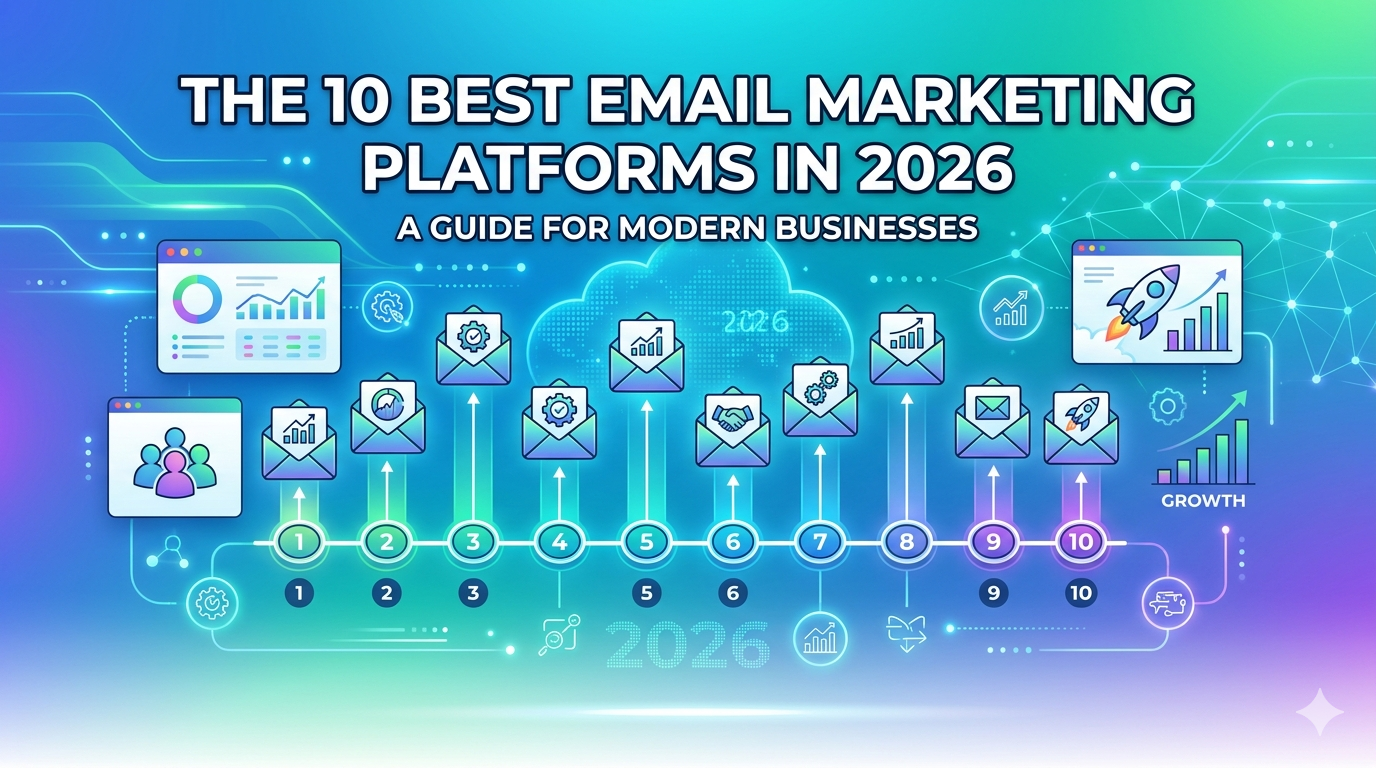
The 10 Best Email Marketing Platforms in 2026

Email marketing stubbornly refuses to die. Despite the relentless rise of social media, push notifications, and every other shiny new channel, a well-crafted email still delivers one of the highest returns on investment in digital marketing. The challenge has never been whether to invest in email — it’s figuring out which platform to trust with your campaigns, your contacts, and your brand.With dozens of tools competing for your attention, the decision can feel overwhelming. So we’ve done the legwork, reviewing the landscape to bring you the ten platforms that genuinely stand out in 2026 — what they do well, who they’re best suited for, and what you should know before committing.

Mailchimp

Mailchimp is the name most people encounter first, and for good reason. Launched in 2001, it has grown into one of the most recognizable email marketing brands in the world, serving over 11 million users across virtually every industry. Its drag-and-drop editor is polished and intuitive, its template library is vast, and its ecosystem of over 800 native integrations — from Shopify to Salesforce — remains unmatched by almost any competitor.

What really sets Mailchimp apart in 2026 is its AI Creative Assistant, which helps marketers maintain brand consistency through AI-powered design generation, content optimization, and image suggestions. The platform also offers multivariate testing and advanced analytics that make it a natural home for data-driven teams who want to continuously refine their approach.That said, Mailchimp’s free plan has been significantly scaled back over the years, with automation now sitting behind a paywall and pricing that climbs steeply once your list grows past 1,500 contacts. If you’re already deeply embedded in Mailchimp’s integration ecosystem, the switching cost is real. If you’re starting fresh, it’s worth comparing value carefully before defaulting to the industry giant.

ActiveCampaignWhen it comes to marketing automation, ActiveCampaign occupies a category of its own. There is no close second. The platform offers an extraordinarily deep automation builder that allows marketers to construct complex, multi-step customer journeys based on behavior, tags, custom fields, and a dizzying variety of triggers. For businesses that want to send the right message to the right person at precisely the right moment, it’s the gold standard.

Beyond automation, ActiveCampaign includes a built-in CRM, lead scoring, site tracking, and SMS marketing — making it a genuine all-in-one growth platform rather than a simple email tool. It integrates with hundreds of apps and is particularly well-suited for B2B companies, SaaS businesses, and anyone running sophisticated nurture sequences.The trade-off is complexity. ActiveCampaign has a steeper learning curve than most of its competitors, and its pricing reflects the depth of features on offer. For solopreneurs or small teams sending simple newsletters, it may be more firepower than necessary. But for growth-focused teams willing to invest the time, few platforms come close to what it can do.

KlaviyoIf your business runs on ecommerce, Klaviyo is almost certainly the platform you should be using. It dominates this space for good reason, with deep native integrations into Shopify, WooCommerce, and BigCommerce that pull in customer data to enable a level of personalization most other platforms simply can’t match. Klaviyo knows when someone browsed a product page, abandoned a cart, made their third purchase, or hasn’t opened an email in 90 days — and it can act on all of it automatically.The platform’s segmentation engine is exceptionally powerful, allowing marketers to slice their audience with surgical precision based on purchase history, predicted lifetime value, or any number of behavioral signals. Its flows library (Klaviyo’s term for automated sequences) comes pre-built with proven templates for every ecommerce use case, from welcome series to post-purchase follow-ups and win-back campaigns.

Klaviyo also supports SMS and push notifications alongside email, making it a strong choice for brands that want a unified multichannel messaging strategy. Pricing starts free for up to 250 email contacts, with paid plans beginning at $20 per month — modest for what you get, though costs can scale quickly for larger lists.Brevo (formerly Sendinblue)Brevo has quietly become one of the most compelling options in the market, largely because of a pricing model that bucks industry convention: you pay for the emails you send, not the number of contacts you store. For businesses with large lists but moderate sending frequency, this is a significant financial advantage. The free tier allows unlimited contacts with up to 300 emails per day, making it genuinely useful for testing and small-scale operations.

Beyond its pricing, Brevo offers a surprisingly comprehensive feature set. Its visual workflow builder lets users map out complex customer journeys using simple logic branches. A robust transactional email API ensures that system alerts and order confirmations reach inboxes reliably. The platform also includes a built-in CRM at no extra cost, which makes it particularly appealing for small businesses that want to manage contacts and campaigns from a single dashboard.

Brevo’s infrastructure is also EU-hosted, making it a strong option for businesses operating under GDPR requirements. For teams looking for free or low-cost email marketing without sacrificing features, Brevo is arguably the most underrated platform in this roundup.

MailerLite

Mailer Lite has earned its reputation as the go-to platform for businesses just starting with email marketing — but its simplicity shouldn’t be mistaken for limitation. The platform offers a clean, modern interface built around a drag-and-drop editor that makes creating professional emails remarkably accessible, even for users with no design experience.

Pricing starts at $9 per month for the paid tier, with a generous free plan that supports up to 1,000 subscribers and 12,000 monthly emails. Automation workflows, landing page builders, and pop-up forms are all included even at lower price points, giving smaller teams access to tools they’d typically need to pay significantly more for elsewhere.MailerLite also shines for newsletter creators and bloggers. Its clean subscriber management, straightforward segmentation, and reliable deliverability make it a practical everyday tool. For businesses that want capable, uncomplicated email marketing without a long onboarding process, it remains one of the best starting points in 2026.

HubSpot

HubSpot occupies a unique position in this list because email marketing is only one piece of a much larger platform. For teams that need email deeply integrated with a CRM, sales pipeline, customer service hub, and marketing suite, HubSpot offers a level of cohesion that standalone email tools simply cannot match.Its free CRM is genuinely powerful, and the email marketing tools built on top of it benefit from that foundation directly. Emails can be personalized based on any CRM property, triggered by deal stage changes, or sent as part of sequences managed by a sales rep. The result is a marketing-to-sales handoff that feels seamless rather than cobbled together.

HubSpot is not cheap at scale — its paid plans climb steeply and can represent a significant investment for mid-sized businesses. But for CRM-led teams where tight alignment between marketing and sales is a genuine priority, the unified data model it provides is worth the premium.OmnisendOmnisend was built specifically for ecommerce, and its feature set reflects that heritage clearly. The platform supports email, SMS, and web push notifications from a single workflow canvas, making it easy to coordinate multichannel campaigns without switching between tools. Its automation library includes pre-built sequences for cart abandonment, product abandonment, order confirmations, and shipping updates — all of the touchpoints that matter most to online retailers.

Where Omnisend differs from Klaviyo is positioning and price. It tends to be more budget-conscious for mid-tier plans and offers a more guided, template-driven experience that suits merchants who want results without building complex automations from scratch. Its segmentation tools, while not quite as granular as Klaviyo’s, are more than sufficient for most ecommerce use cases.

The platform integrates natively with Shopify, BigCommerce, WooCommerce, and a growing list of other storefronts. For ecommerce brands that want multichannel automation without the steep learning curve of more advanced tools, Omnisend is a consistently strong choice.Kit (formerly ConvertKit)Kit built its reputation in the creator economy, and it remains the preferred email platform for bloggers, podcasters, course creators, and independent writers. Its philosophy is deliberately different from enterprise-focused tools: it centers on the relationship between a creator and their audience, with features designed to grow and nurture that relationship over time.The platform’s free plan is particularly generous for creators, offering unlimited landing pages, forms, and email broadcasts for up to 10,000 subscribers — an unusually high ceiling for a no-cost tier. Its automations are straightforward but effective, and the tagging system provides clean, behavior-based segmentation without requiring complex logic.

Kit also integrates well with newsletter platforms like Beehiiv, course tools like Teachable, and membership platforms like Patreon, making it a natural fit for creators who operate across multiple revenue streams. If you’re building an audience around content rather than ecommerce, it remains one of the most thoughtfully designed platforms available.

GetResponse

GetResponse has evolved significantly over the years from its roots as a straightforward email newsletter tool into a broader marketing platform that includes webinars, landing pages, paid ads, and conversion funnels. This breadth makes it particularly appealing for businesses looking to consolidate their marketing stack rather than patch together a collection of separate tools.Its email marketing core is solid and well-developed, with a capable automation builder, detailed analytics, and a large template library. The platform’s webinar hosting feature is genuinely impressive and rare among email marketing tools — making it an interesting option for coaches, educators, and businesses that use live events as part of their lead generation strategy.Pricing is competitive, and the platform’s all-in-one positioning means that businesses can often replace several tools with a single GetResponse subscription. For SMBs looking for a versatile, wide-ranging platform without enterprise-level costs, it’s a strong contender that often gets overlooked.

Moosend

Moosend rounds out this list as one of the best-value platforms available for small and medium-sized businesses. Its pricing is among the most competitive in the market, and the features it delivers for that price — unlimited email sends, advanced automation workflows, a wide variety of email templates, and robust segmentation — make it difficult to beat on a per-dollar basis.The platform’s automation builder is surprisingly sophisticated for its price point, supporting multi-step sequences triggered by opens, clicks, website visits, and custom events. Real-time analytics provide clear visibility into campaign performance, and the drag-and-drop editor makes campaign creation accessible without technical expertise.

Moosend may not have the brand recognition of Mailchimp or the automation depth of ActiveCampaign, but for SMBs that want a reliable, feature-rich platform without breaking the budget, it punches well above its weight. It’s a smart choice for teams that have outgrown the very basic tools but aren’t yet ready to commit to enterprise pricing.

Choosing the Right Platform

The right email marketing platform is ultimately the one that fits the way your business actually operates. Ecommerce brands with high SKU counts and a need for behavioral personalization should look hard at Klaviyo or Omnisend. Businesses running sophisticated B2B nurture funnels will find ActiveCampaign difficult to beat. Creators building audience-first businesses will feel most at home in Kit. Teams that want everything — email, CRM, sales, and support — in one ecosystem should evaluate HubSpot seriously, despite its cost.For businesses that are just starting out and want to learn the fundamentals without spending much money, MailerLite and Brevo both offer generous free tiers and clean interfaces that make the process approachable. And for any business that has already outgrown its current tool and is looking for a cost-effective upgrade with serious automation capabilities, Moosend and GetResponse deserve a close look.

The good news is that most of these platforms offer free trials or free-tier access, so there’s rarely a reason to commit without testing. The best way to choose is to run a real campaign on two or three shortlisted platforms and see which one feels right in practice — because at this level of the market, the differences that matter most are often the ones you only notice when you’re actually using the tool.
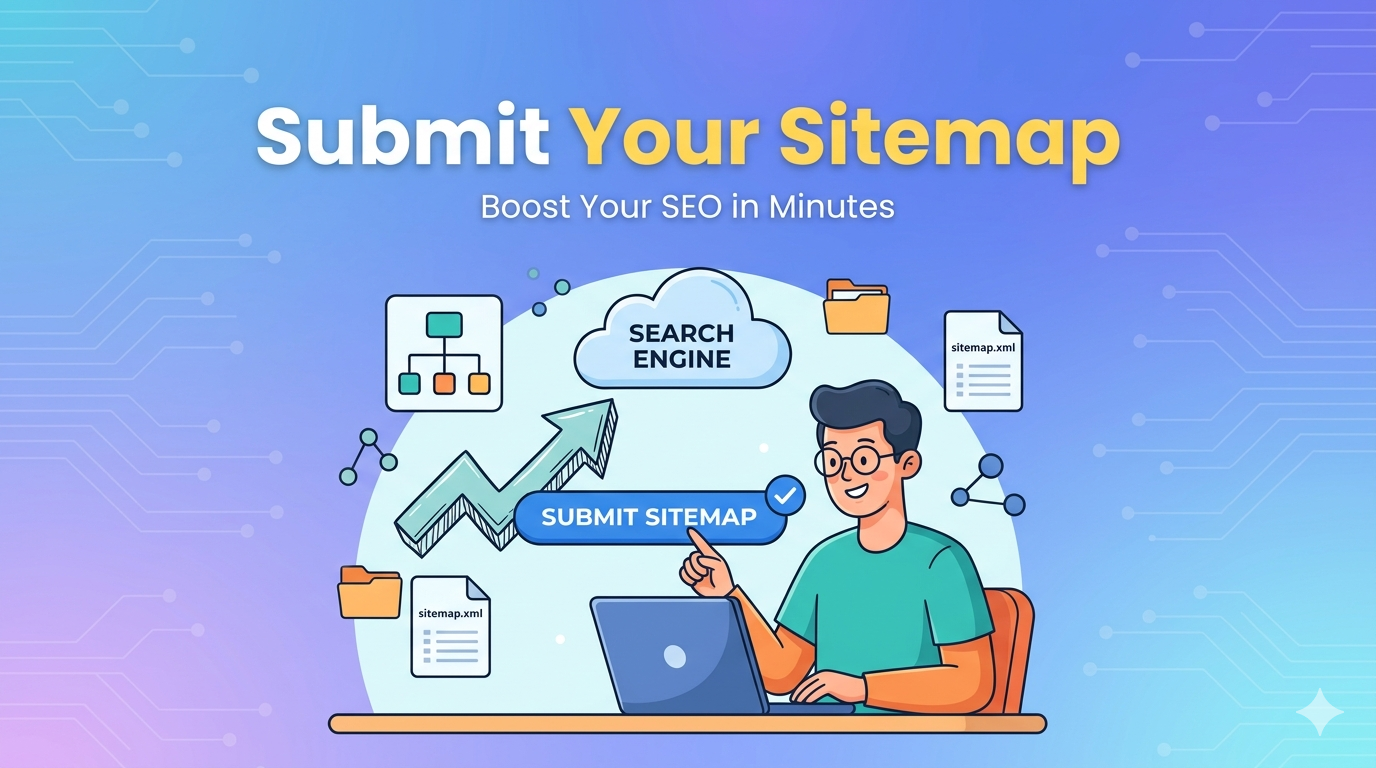
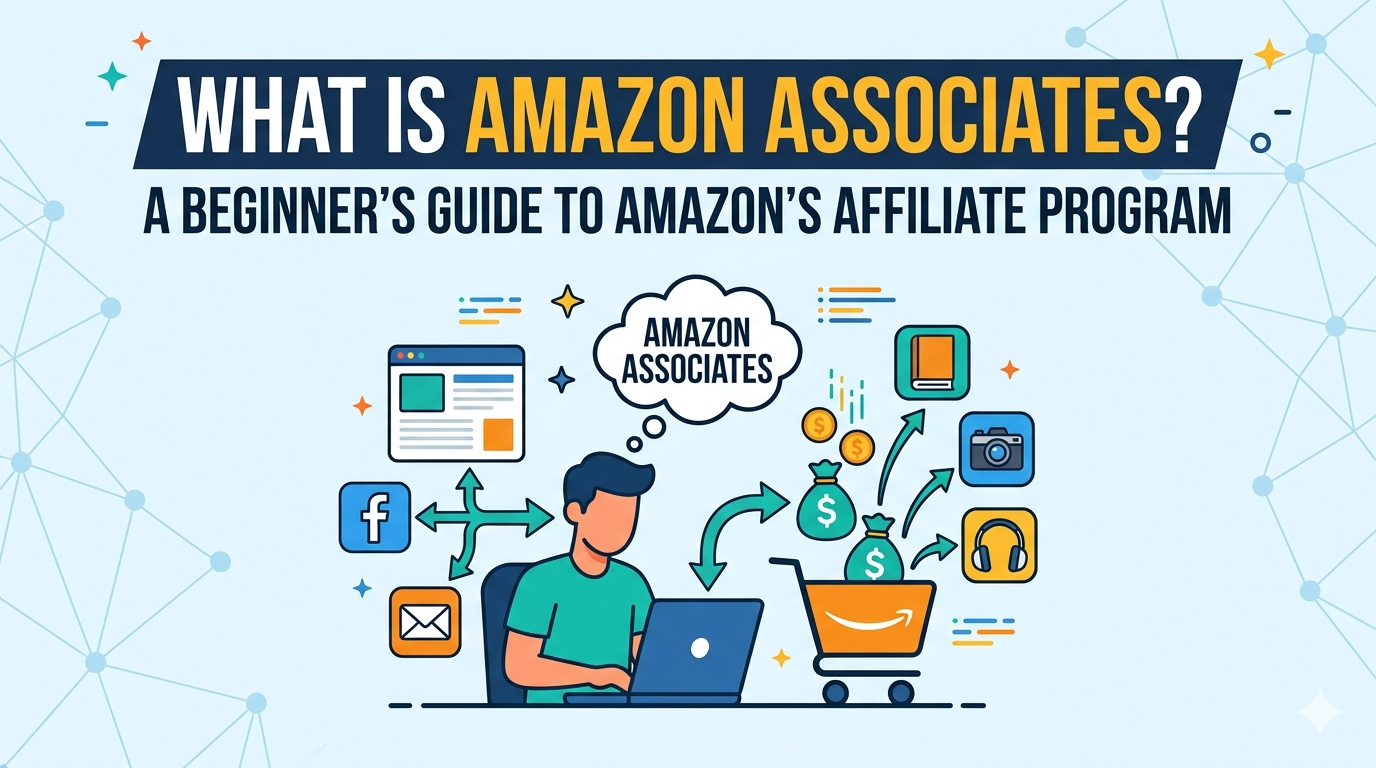
Posted on

Why Everything I Write Is Now AI-Assisted — And Why You Should Consider the Same

There is a moment in every writer’s life when a tool stops feeling like a shortcut and starts feeling like a collaborator. For me, that moment arrived somewhere in the early months of 2026, and it changed how I think about writing entirely.I want to be transparent with you: this post, like everything I now publish, was written with the assistance of an AI. That is not a confession. It is a statement of craft.

The Honest Conversation We Need to Have

For years, the discourse around AI writing assistance was dominated by fear — fear of inauthenticity, fear of displacement, fear that the words on the page would somehow mean less if a machine had touched them. Those fears were understandable. They were also, I think, a little misplaced.What we were really afraid of was replacement. But what actually arrived was something more interesting: amplification.

When I write with AI assistance today, I am still the one with something to say. I am the one who has lived the experience, formed the opinion, felt the tension between ideas. The AI does not supply the perspective. What it does is help me find the clearest, most direct path from the thought in my head to the sentence on the page.That is not a small thing. Getting out of your own way as a writer is genuinely one of the hardest parts of writing.

What “AI-Assisted” Actually Means in Practice

People imagine AI assistance as a kind of ghostwriting — you press a button and a machine produces five hundred words you paste into a document and call your own. That is not what I am describing, and frankly, that is not what good AI-assisted writing looks like.In practice, writing with AI assistance is closer to working with a very patient, very knowledgeable editor who is available at three in the morning when you are trying to untangle a paragraph that has gone sideways. You bring the ideas. You bring the structure. You bring the voice. The AI helps you interrogate your own thinking, suggests when a sentence has too many subordinate clauses trying to do too many things at once, and offers alternatives you can accept, reject, or reshape into something that sounds genuinely like you.The writer still writes. The process is just less lonely, and the feedback loop is tighter.

2026 Changed the Equation

The tools available now are materially different from what existed even two years ago. The AI systems that writers have access to in 2026 understand context across long documents, can hold a consistent voice through revision passes, and are capable of engaging with the actual substance of an argument rather than just its surface grammar. They can tell you when you are burying your thesis. They can notice when you have made the same point three times in slightly different clothing.This is not autocomplete. This is not a plagiarism machine. This is a writing environment that has finally become sophisticated enough to be genuinely useful for serious work.

At this point in the technology’s development, choosing not to use these tools is a bit like insisting on writing longhand when a word processor is available — not because there is no value in longhand, but because the refusal needs to be a deliberate artistic choice rather than an automatic one. You should decide, consciously, what you gain from working without assistance. Sometimes the answer will be: a great deal. Often, it will not be.

The Authorship Question Is the Wrong Question

The most common objection I hear is some version of: “But then is it really yours?”I want to take that question seriously, because I think it points at something real. Authenticity matters. Voice matters. The sense that a piece of writing was made by a person with a genuine point of view, not assembled by committee or generated by committee-adjacent software — that matters enormously.

But authorship has never been about how alone you were when you wrote something. Editors shape books profoundly. Research assistants gather material. Writing groups challenge premises and push drafts toward clarity. The history of literature is full of collaboration that does not diminish what was made.The question worth asking is not whether you used a tool, but whether the work reflects your thinking, your honesty, your perspective. If it does, it is yours. If it does not, no amount of typing it by yourself in a room with the door closed will change that.

A Note on Transparency

I believe in being open about this, which is why I say it plainly at the top of everything I publish now. Not because AI assistance is something to apologize for, but because readers deserve to know how their information environment is being made. The more writers are honest about their process, the more we can have a real conversation about what AI assistance means for the craft and the culture, rather than a paranoid one.

If you write — professionally, personally, occasionally — I would encourage you to try working with AI assistance seriously and on purpose. Not as an experiment in automation, but as an investment in your own thinking. You may find, as I did, that the words come out sharper, the argument lands cleaner, and the version of yourself that ends up on the page is actually more you, not less.

That is a strange and genuinely interesting thing to discover. I hope you get to discover it too.