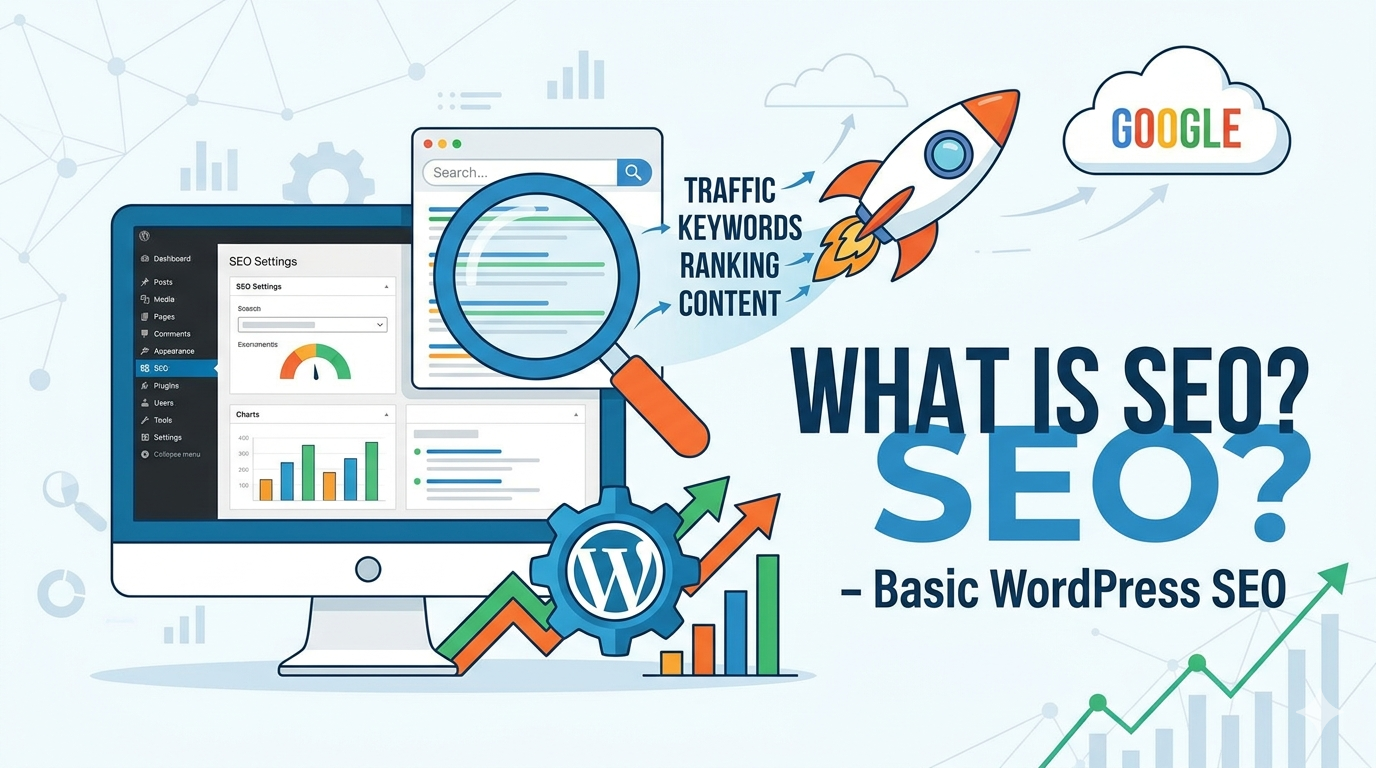
Search Engine Optimization is the practice of improving your website so that it appears higher in the results pages when people search for relevant terms on Google, Bing, or other search engines. At its core, SEO is about making your content discoverable and valuable to both search engines and human readers. Search engines use automated programs called crawlers to browse the web, index pages, and rank them based on hundreds of factors including relevance, authority, and user experience.
For a WordPress site, the foundation of good SEO starts with your hosting and site speed. A slow website frustrates visitors and signals to search engines that your site provides a poor user experience. Choose a reputable host, optimize your images before uploading them, and consider using a caching plugin to serve pages faster. WordPress makes this relatively straightforward through its plugin ecosystem, but the principle remains that performance matters.Your WordPress theme also plays a significant role in SEO. A well-coded, lightweight theme that follows semantic HTML standards helps search engines understand your content structure. Avoid themes bloated with unnecessary scripts and animations that add no value to your readers. The structure of your site should be logical, with clear navigation that allows both users and crawlers to find your most important pages within a few clicks.
Content remains the most critical element of any SEO strategy. When you write a blog post or page in WordPress, focus on creating genuinely useful information that answers the questions your audience is asking. Before writing, think about what someone might type into a search bar to find your content. These phrases are your keywords, and while you should not stuff them awkwardly into every sentence, they should appear naturally in your title, opening paragraph, and throughout the text where relevant. WordPress allows you to set a custom permalink structure, and you should use this to create clean, descriptive URLs that include your target keyword rather than random numbers and characters.
On-page optimization in WordPress involves several elements you control directly within each post or page. Your title tag, which appears in search results as the clickable headline, should be compelling and include your primary keyword near the beginning. The meta description, though not a direct ranking factor, influences whether someone clicks through to your site, so write it as a concise advertisement for your content. Use header tags to structure your content hierarchically, with one main heading followed by subheadings that break your text into scannable sections. This not only helps readers but also helps search engines understand the topical flow of your article.
Images enhance your content but can harm your SEO if not handled properly. Every image you upload to WordPress should have a descriptive file name rather than a string of numbers. Fill in the alt text field with a brief, accurate description of what the image shows, incorporating a keyword only if it fits naturally. This practice improves accessibility for visually impaired users and gives search engines context about your visual content.
Internal linking is a powerful but often overlooked aspect of WordPress SEO. When you publish a new article, look for opportunities to link to relevant older posts within your site, and update existing content to reference your new work. This distributes authority throughout your site and keeps visitors engaged longer. WordPress makes this easy with its link insertion tools, but the strategy requires intentional thinking about how your content relates thematically.
Mobile responsiveness is no longer optional. The majority of searches now happen on mobile devices, and Google uses mobile-first indexing, meaning it primarily evaluates the mobile version of your site. Most modern WordPress themes are responsive by default, but you should always preview your content on multiple devices to ensure text is readable without zooming, buttons are easily tappable, and images scale appropriately.
Security and trust signals matter for SEO as well. Search engines prefer secure websites, so ensure your WordPress site uses HTTPS rather than HTTP. Your hosting provider can help you obtain and install an SSL certificate, often at no additional cost. Regularly update your WordPress core, themes, and plugins not only to protect against vulnerabilities but also to maintain site stability, as hacked or malfunctioning sites quickly lose search visibility.
Building authority takes time and extends beyond your website itself. When other reputable sites link to your content, search engines interpret this as a vote of confidence. Focus on creating content so valuable that others naturally want to reference it. Guest posting on relevant industry blogs, participating in genuine community discussions, and building relationships with other content creators can earn you quality backlinks. Avoid the temptation to buy links or participate in link schemes, as these practices violate search engine guidelines and can result in severe penalties.
Finally, understand that SEO is a long-term commitment rather than a one-time task. Search algorithms evolve, competitor landscapes shift, and your own content ages. Use tools like Google Search Console to monitor how your WordPress site performs in search results, identify which queries bring you traffic, and spot technical issues that need attention. Google Analytics or privacy-focused alternatives can show you how visitors behave once they arrive, revealing which content resonates and where you might be losing potential customers.
Success with WordPress SEO comes from consistently applying these fundamentals while remaining patient. No plugin can replace the need for quality content and genuine user value, but WordPress provides an excellent framework for implementing sound SEO practices without needing to write code. Start with the basics, measure your progress, and refine your approach as you learn what works for your specific audience and niche.