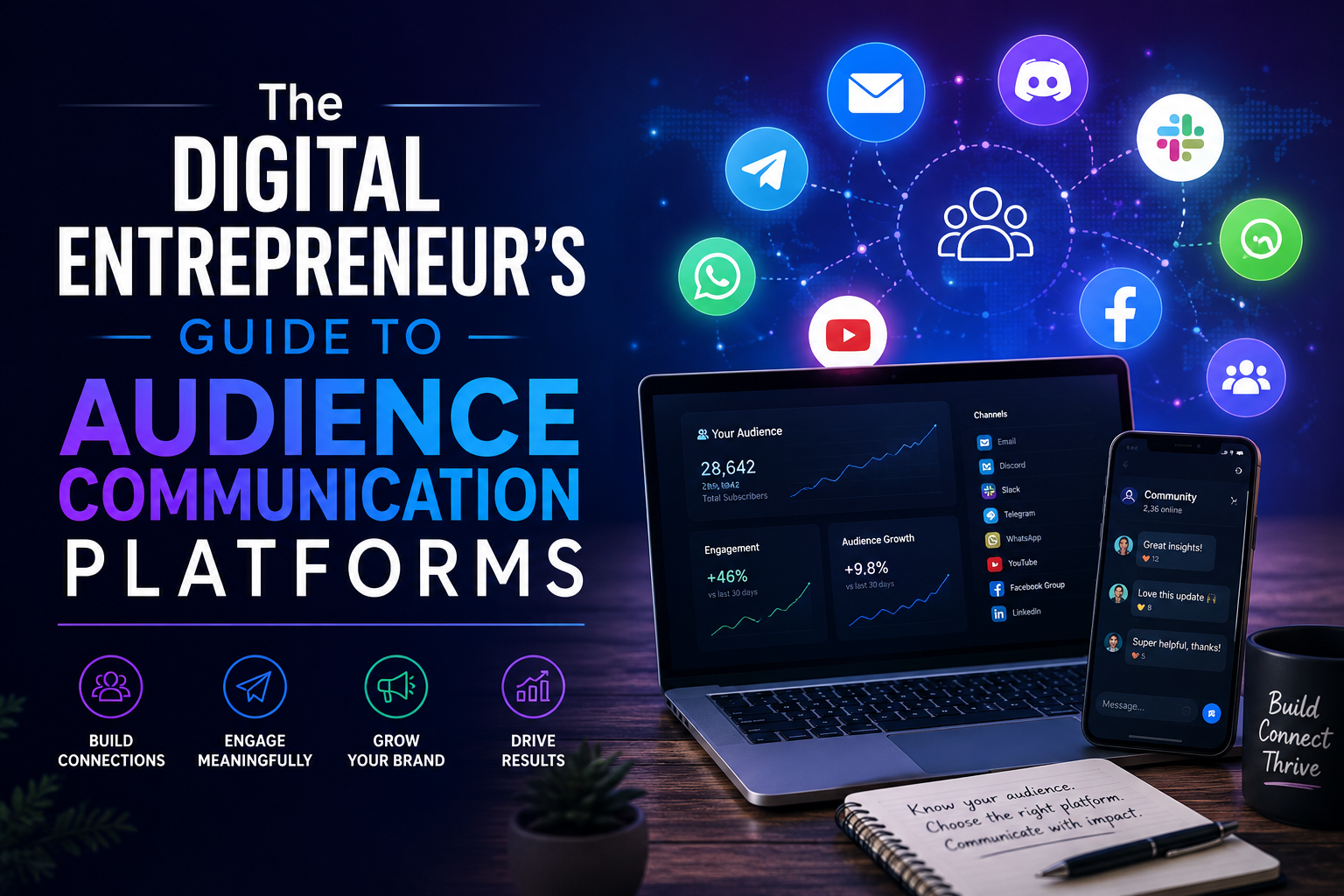
In the modern landscape of online business, the ability to maintain a direct line of communication with your audience is not merely an advantage but a fundamental necessity. Digital entrepreneurs rely on a diverse ecosystem of applications and platforms to build contact lists, nurture relationships, and deliver consistent marketing messages. Understanding the tools available and how they function within a broader strategy can mean the difference between a thriving business and one that struggles to be heard above the noise.
At the foundation of any serious email marketing strategy sits Mailchimp, a platform that has become almost synonymous with the category itself. It offers entrepreneurs the ability to collect subscriber information through customizable signup forms, segment audiences based on behavior and demographics, and automate entire sequences of communications. For those just beginning their journey, Mailchimp provides a generous free tier that allows entrepreneurs to build a list and send regular newsletters without immediate financial commitment. As the business grows, the platform scales alongside it, offering advanced analytics that reveal which subject lines resonate and which calls to action drive conversions.
For entrepreneurs who demand more sophisticated automation and deeper integration capabilities, ActiveCampaign presents a compelling alternative. This platform treats email marketing not as a broadcast medium but as a conversation, enabling users to build complex automation workflows that respond to subscriber actions in real time. When a potential customer visits a pricing page but does not complete a purchase, ActiveCampaign can trigger a targeted follow-up sequence designed to address objections and guide them back to the checkout process. The platform also incorporates a lightweight customer relationship management system, allowing entrepreneurs to track interactions across multiple touchpoints and maintain detailed records of every subscriber’s journey.
ConvertKit occupies a unique position in the market by catering specifically to creators, bloggers, and educators who prioritize simplicity without sacrificing power. Its visual automation builder enables entrepreneurs to design intricate email sequences through an intuitive interface that requires no technical expertise. The platform excels at content-based marketing, making it ideal for those who regularly publish articles, videos, or podcasts and wish to notify their audience automatically when new material becomes available. ConvertKit also offers features tailored to selling digital products, allowing entrepreneurs to deliver downloads and manage access without requiring a separate e-commerce platform.
For those operating within the Shopify ecosystem or running product-focused businesses, Klaviyo has emerged as the platform of choice. It integrates seamlessly with e-commerce stores, pulling in rich data about customer behavior, purchase history, and browsing patterns. This deep integration enables entrepreneurs to send highly targeted communications, such as abandoned cart reminders, post-purchase follow-ups requesting reviews, and personalized product recommendations based on previous orders. The platform’s predictive analytics can even forecast when a customer is likely to make their next purchase, allowing entrepreneurs to time their marketing messages with remarkable precision.
Beyond dedicated email marketing platforms, entrepreneurs increasingly turn to comprehensive customer relationship management systems that incorporate communication tools as part of a broader suite. HubSpot offers a free tier that includes contact management, email marketing, and basic automation, making it an attractive starting point for entrepreneurs who anticipate needing sales and service functionality as their business expands. The platform’s unified database ensures that every interaction, whether it occurs via email, social media, or direct sales contact, contributes to a complete understanding of each audience member.
Salesforce represents the enterprise end of this spectrum, providing a robust platform capable of managing millions of contacts across complex organizational structures. While its full capabilities may exceed the needs of a solo entrepreneur, many growing businesses eventually migrate to Salesforce or similar enterprise solutions as their operations become more sophisticated. The platform’s AppExchange marketplace offers thousands of integrations, allowing businesses to customize their communication stack to meet highly specific requirements.In the realm of messaging applications, WhatsApp Business has transformed from a simple chat tool into a legitimate marketing channel, particularly in regions where email open rates lag behind messaging engagement. Entrepreneurs can create business profiles, set up automated greeting messages, and use broadcast lists to send updates to multiple contacts simultaneously. The platform’s intimacy creates a sense of personal connection that email sometimes struggles to replicate, though entrepreneurs must navigate carefully to avoid feeling intrusive.
Telegram offers similar capabilities with the added benefit of channels, which function as one-to-many broadcast tools where subscribers receive updates without the ability to reply en masse. This creates a clean, uncluttered communication environment ideal for delivering news, announcements, and curated content. Many entrepreneurs use Telegram channels to build communities around their expertise, supplementing their primary email marketing efforts with a more casual, frequent touchpoint.
For entrepreneurs focused on mobile-first audiences, SMS marketing platforms such as Twilio, EZ Texting, and SimpleTexting provide direct access to subscribers’ most personal devices. Text messages boast open rates that dwarf those of email, often exceeding ninety percent within minutes of delivery. However, this power demands responsibility, entrepreneurs must secure explicit consent and deliver genuine value with every message to avoid alienating their audience. These platforms typically offer list management, scheduling, and compliance tools to help navigate the regulatory landscape surrounding text-based marketing.
Push notification services represent another channel for maintaining regular contact without relying on email inboxes. Platforms such as OneSignal and PushEngage enable entrepreneurs to send browser and mobile notifications to subscribers who have opted in through their websites or applications. These tools excel at driving immediate action, announcing limited-time offers, or recapturing the attention of visitors who have left a site. The challenge lies in balancing frequency and relevance, as excessive notifications lead quickly to opt-outs and damaged relationships.
Social media platforms themselves have evolved to include direct communication tools that entrepreneurs can leverage for marketing purposes. Facebook Pages include messaging capabilities that allow businesses to maintain ongoing conversations with followers, while Instagram’s direct messaging features enable personalized outreach to engaged community members. LinkedIn provides similar functionality for business-to-business entrepreneurs, allowing them to nurture professional relationships through targeted messaging and content sharing. However, entrepreneurs should recognize that they do not own these channels in the same way they own an email list, algorithm changes and platform policies can restrict reach or eliminate access entirely.
Community platforms such as Circle, Mighty Networks, and Discord offer entrepreneurs the opportunity to build dedicated spaces where audience members can interact not only with the business but with each other. These platforms combine contact list management with the dynamics of community building, creating environments where marketing messages feel less like advertisements and more like contributions to an ongoing conversation. Entrepreneurs who succeed in these spaces typically focus on delivering value and facilitating connections rather than pushing promotional content.
When selecting the appropriate tools, entrepreneurs must consider several factors that extend beyond feature lists and pricing tiers. The nature of their audience significantly influences platform choice, a demographic that rarely checks email but lives on messaging apps requires a different approach than one that prefers long-form newsletters. The type of business also matters, e-commerce operators need deep integration with their stores, while service providers may prioritize appointment scheduling and lead nurturing capabilities.
Compliance represents another critical consideration. Platforms operating in or serving customers in regions covered by the General Data Protection Regulation, the California Consumer Privacy Act, or similar legislation must provide mechanisms for consent management, data portability, and deletion requests. Reputable email marketing platforms typically handle much of this complexity, but entrepreneurs remain responsible for understanding their obligations and ensuring their practices align with legal requirements.The most successful digital entrepreneurs rarely rely on a single platform or channel. Instead, they construct multi-layered communication strategies that use email as a foundation while incorporating messaging apps, social media, push notifications, and community platforms as supplementary touchpoints. This diversification protects against the risk of any single channel becoming ineffective while allowing entrepreneurs to meet their audience members wherever those individuals prefer to engage.
Building and maintaining a contact list is ultimately an exercise in trust. Every platform mentioned here provides the technical capability to send messages to large audiences, but the technology itself does not create engagement. Entrepreneurs must consistently deliver value, respect subscriber preferences regarding frequency and content, and treat their contact lists as relationships to be nurtured rather than assets to be exploited. The platforms are merely vessels, what they carry, the quality of the communication, the relevance of the message, and the authenticity of the voice, determines whether an entrepreneur’s marketing efforts build a loyal following or simply contribute to the digital noise.