Posted on

How AI Has Transformed the Creation of Digital Products

The process of building and selling digital products has undergone a quiet revolution. What once required specialized skills, significant time, and often a team of collaborators can now be accomplished by individuals with far fewer resources. Artificial intelligence has become the great equalizer in this space, removing friction at nearly every stage of product development and enabling creators to bring their ideas to market faster than ever before.

Consider the traditional path of creating a digital product. Whether it was an ebook, an online course, a piece of software, or a set of design templates, the creator needed to handle research, content creation, design, coding, marketing copy, and customer support. Each of these areas demanded its own expertise. A writer might struggle with design software. A developer might find marketing copy agonizing to produce. Hiring specialists for each task was expensive, and doing everything alone meant spending months or even years before seeing any return.

AI has changed this equation dramatically. A solo creator can now generate professional-quality written content in minutes rather than days. Language models can draft entire ebooks, structure online courses, and produce marketing materials that would have previously required a copywriter. The output is not perfect, and it still benefits from human editing and voice, but the starting point is far more advanced than a blank page ever was.Design has become similarly accessible. AI-powered tools can generate logos, social media graphics, website layouts, and even full brand identities based on simple text descriptions. Someone with no background in graphic design can produce visuals that look polished and intentional. For software products, AI coding assistants can write functional code, debug errors, and explain complex programming concepts to non-developers who are trying to build their first application. The barrier to entry for technical creation has lowered significantly.

Perhaps the most profound shift has been in the area of research and ideation. AI can analyze market trends, summarize competitor offerings, and identify gaps in the digital product landscape that a creator might exploit. Instead of guessing what customers want, a creator can ask targeted questions and receive structured insights that inform product decisions. This reduces the risk of building something that nobody wants to buy.

Marketing and sales, traditionally the hardest part of the independent creator journey, have also been transformed. AI can help craft email sequences, generate ad copy, optimize landing pages, and even personalize outreach at scale. Customer support can be partially automated with intelligent chatbots that handle routine inquiries, freeing the creator to focus on product improvement and strategic growth.

The speed of iteration has accelerated as well. In the past, updating a digital product after launch might require coordinating with multiple contractors. Now a creator can modify content, adjust design elements, and redeploy updates in a single afternoon. This agility means products can evolve in response to customer feedback rather than remaining static for months.It is worth acknowledging that this ease of creation comes with its own challenges. Because the barriers are lower, more people are entering the digital product space, which increases competition. Customers are also becoming more discerning, able to spot content that feels generic or hastily produced. The creators who thrive are those who use AI as a tool to amplify their unique perspective, not as a replacement for genuine expertise and care.

What AI has truly enabled is a shift in the role of the creator. Instead of being a specialist in one domain and dependent on others for the rest, the modern creator can operate as a generalist conductor, orchestrating various AI capabilities toward a coherent vision. The creator’s job is increasingly about curation, judgment, and human connection rather than the mechanical execution of every task.

The result is that more voices can participate in the digital economy. Subject matter experts who previously lacked technical skills can now package their knowledge into sellable products. Hobbyists can turn their passions into side incomes. Small teams can punch above their weight class against larger competitors. The tools are no longer the bottleneck; imagination and strategic thinking are.

This transformation is still unfolding. As AI capabilities continue to improve, the gap between idea and finished product will likely narrow even further. For anyone who has ever considered creating a digital product but felt held back by the complexity of the process, the message is clear: the obstacles that once made it difficult have largely dissolved. What remains is the work of having something worth saying and the willingness to share it with the world.

Posted on

What Are Backlinks and What Is Link Building?

If you have ever tried to grow a website or improve its visibility on Google, you have probably heard people talk about backlinks and link building. These two ideas are closely related, and they sit at the heart of how search engines decide which pages deserve to rank at the top of the results. But for anyone new to the world of search engine optimization, the terminology can feel opaque. This post will break down what a backlink actually is, why it matters, and what link building means in practice.

What Is a Backlink?

A backlink is simply a link from one website to another. When a site includes a hyperlink that points to your site, that hyperlink counts as a backlink for you. Search engines like Google treat these links as votes of confidence. The logic is straightforward: if a reputable website is willing to send its visitors to your page, your page probably offers something valuable, trustworthy, or authoritative.

Not all backlinks carry the same weight. A link from a well-known news publication or an established university domain tends to carry far more influence than a link from a brand new blog with no readership. Search engines evaluate the quality and relevance of the linking site, the context surrounding the link, and the text used to create the link. That text, known as anchor text, gives search engines a hint about what the destination page is about. If a cooking blog links to your page using the phrase “authentic sourdough recipe,” search engines gain a clearer signal that your page is indeed about sourdough bread.

Backlinks also help search engines discover new content. When Google’s crawlers visit a popular page and find a link to your newly published article, they are more likely to find and index your article quickly. Without any backlinks, a page can exist in isolation, making it harder for search engines to notice it and harder for users to stumble upon it through organic search.

What Is Link Building?

Link building is the deliberate effort to acquire backlinks from other websites to your own. It is not a passive activity. It requires research, outreach, relationship building, and often the creation of content that other people genuinely want to reference.

At its core, link building is about earning trust and visibility. The process usually begins with understanding your own site’s strengths. What expertise do you offer? What resources have you created that would be genuinely useful to someone else’s audience? Once you have a clear answer, you identify websites in your niche or related fields that might benefit from linking to your content.Outreach plays a major role in link building. This means contacting webmasters, editors, or content creators and explaining why your resource adds value to their readers. Good outreach is personalized and respectful. It is not about begging for links or sending mass emails to strangers. It is about starting a conversation and offering something of genuine worth.

There are many legitimate strategies within link building. Creating original research, publishing insightful data, or developing free tools can attract links naturally because other writers want to cite authoritative sources. Guest posting on reputable blogs allows you to share expertise while earning a link back to your site. Broken link building involves finding dead links on other websites and suggesting your own relevant content as a replacement. Each of these tactics requires effort, but they share a common goal: earning links that are editorially given because your content deserves them.

Why It All Matters

Backlinks remain one of the strongest signals search engines use to determine rankings. A page with high-quality backlinks tends to outrank similar pages that lack them. Beyond search engine algorithms, backlinks also drive direct referral traffic. A reader who clicks a link on a trusted blog and lands on your site is already predisposed to trust what you have to say.

Link building is not a quick fix. It is a long-term investment in your site’s reputation and authority. The best practitioners focus on quality over quantity, earning links from relevant, respected sources rather than chasing large numbers of low-value links. Search engines have grown sophisticated at detecting manipulative tactics, and attempts to game the system with spammy or purchased links often result in penalties rather than rewards.In the end, backlinks are the currency of the web’s trust economy. Link building is the work of earning that currency through merit, persistence, and genuine value.

Posted on

10 Web Hosting Providers To Make Money Online

Choosing the right web hosting provider is one of the most consequential decisions you will make when establishing your online presence. The quality of your host affects everything from how quickly your pages load to how secure your customer data remains and how smoothly your site performs during traffic spikes. With thousands of options available, finding the ideal fit can feel overwhelming, so here is a detailed look at ten standout providers that consistently earn the trust of website owners across the globe.

Bluehost has long served as the entry point for millions of new website owners, and its reputation is built on a foundation of accessibility and tight integration with WordPress. The company powers over two million websites worldwide and offers a streamlined onboarding process that guides beginners through domain registration, site setup, and email configuration without requiring technical expertise. Their shared hosting plans include a free domain for the first year, automated WordPress installations, and twenty-four-hour support. While their renewal rates climb after the initial promotional period, the combination of reliability and official WordPress endorsement makes them a perennial favorite for bloggers and small business operators who want to get online quickly without wrestling with complex server settings.

SiteGround distinguishes itself through exceptional customer service and a genuine commitment to performance optimization. Their support team is staffed by knowledgeable technicians rather than script readers, and response times rarely exceed a few minutes even during peak hours. SiteGround has built its infrastructure on Google Cloud, which provides robust stability and allows them to offer features like free content delivery network integration, advanced caching mechanisms, and daily backups on even their most affordable plans. They also maintain a strong security posture with proprietary intrusion detection systems and automatic WordPress updates. The trade-off comes in storage limits, which are more restrictive than some competitors, but for those who prioritize speed and support over raw disk space, SiteGround delivers remarkable value.

HostGator remains one of the most recognizable names in web hosting, largely because of their flexible range of plans that scale from basic shared hosting up to dedicated servers capable of handling enterprise-level traffic. Their shared hosting packages feature unmetered bandwidth, a free SSL certificate, and a generous forty-five-day money-back guarantee that gives new users ample time to evaluate the service. HostGator’s control panel is clean and intuitive, making it easy to manage domains, databases, and email accounts from a single dashboard. They have also improved their uptime reliability significantly in recent years, now guaranteeing 99.9 percent availability backed by service credits if they fall short. For growing businesses that anticipate needing to upgrade their hosting environment without switching providers, HostGator offers a natural progression path.DreamHost operates with a refreshingly independent spirit, having remained employee-owned since its founding in 1996. This autonomy shows in their customer-friendly policies, including an industry-leading ninety-seven-day money-back guarantee on shared plans and a firm commitment to privacy that rejects aggressive upselling tactics. DreamHost offers a custom control panel that some users find more elegant than the standard cPanel interface, and their unlimited policy on shared hosting genuinely means no arbitrary caps on traffic or storage. They are also deeply committed to open-source principles and contribute significantly to the WordPress project. Their managed WordPress product, DreamPress, delivers impressive performance with built-in caching and isolated server resources, though it comes at a premium compared to their standard offerings.

InMotion Hosting targets business users with a feature set that emphasizes professionalism and reliability. Every plan includes free website migration handled by their technical team, which minimizes downtime when transferring an existing site. They also provide a free domain, unlimited email addresses, and advanced security features like hack protection and DDoS mitigation without additional charges. InMotion operates multiple data centers on both coasts of the United States, allowing customers to choose the server location closest to their audience for reduced latency. Their Max Speed Zones technology further optimizes delivery for visitors within specific geographic regions. While their pricing requires a longer initial commitment to access the best rates, the overall package represents solid value for established businesses that cannot afford hosting-related disruptions.

A2 Hosting has built its entire brand around velocity, and their Turbo Servers promise page load times up to twenty times faster than standard hosting through a combination of NVMe storage, optimized caching, and reduced server density. Speed matters enormously for user experience and search engine rankings, so this focus resonates with performance-conscious site owners. A2 also maintains a strong environmental commitment, partnering with Carbonfund.org to offset their emissions and operating as a carbon-neutral company. Their anytime money-back guarantee is unusual in the industry, allowing customers to receive a prorated refund if they cancel after the standard risk-free period expires. The Turbo plans cost more than their entry-level options, but for e-commerce sites where every millisecond of load time can impact conversion rates, the investment often pays for itself.WP Engine occupies the premium tier of WordPress hosting, serving as the infrastructure backbone for major publishers, agencies, and Fortune 500 companies that demand flawless performance. Their platform is built exclusively for WordPress, which allows them to optimize every layer of the technology stack for that specific content management system. Features like automated daily backups, one-click staging environments, and global content delivery come standard, while their EverCache technology eliminates the need for additional caching plugins. WP Engine’s support team includes WordPress experts who can assist with theme conflicts and plugin troubleshooting rather than merely addressing server issues. The cost is significantly higher than budget hosts, and they enforce restrictions on certain plugins that might compromise performance or security, but for serious WordPress operations where reliability is non-negotiable, WP Engine sets the standard.

Cloudways offers a unique proposition by functioning as a managed layer atop major cloud providers including Amazon Web Services, Google Cloud, DigitalOcean, Linode, and Vultr. This arrangement gives users the raw power and scalability of enterprise cloud infrastructure without requiring them to become server administrators. Cloudways handles server setup, security patching, automated backups, and performance optimization through an elegant dashboard that abstracts away the complexity of underlying cloud platforms. Users can scale resources vertically with a few clicks during traffic surges and only pay for the computing power they actually consume. The platform supports multiple content management systems and frameworks beyond WordPress, making it ideal for developers and agencies managing diverse client portfolios. The learning curve is steeper than traditional shared hosting, but the flexibility and performance potential are unmatched in the managed hosting space.

Kinsta leverages the Google Cloud Platform to deliver managed WordPress hosting that combines premium speed with an exceptionally refined user experience. Their custom-built dashboard provides detailed analytics on site performance, resource usage, and visitor behavior without requiring third-party tools. Kinsta implements automatic scaling, meaning your site can handle sudden viral traffic without manual intervention or performance degradation. Security measures include hardware firewalls, DDoS detection, and uptime monitoring every two minutes across their global network of data centers. They also offer free premium migrations handled by experts who ensure no data loss during transfer. Like WP Engine, Kinsta commands a higher price point and focuses exclusively on WordPress, but their attention to detail and performance consistency justify the investment for high-traffic publications and online businesses.

IONOS by 1&1 rounds out this selection as a versatile European giant that has expanded globally while maintaining competitive pricing that often undercuts American competitors. Their introductory shared hosting plans frequently cost less than a cup of coffee per month while still including a free domain for one year, an SSL certificate, and professional email. IONOS operates green data centers powered by renewable energy and offers a wide spectrum of services including cloud hosting, dedicated servers, and specialized solutions for e-commerce platforms. Their customer support is available around the clock, and they provide a personal consultant feature that assigns a dedicated contact to help navigate technical decisions. While their interface can feel busier than minimalist competitors, the sheer breadth of options and aggressive pricing make IONOS particularly attractive for cost-conscious entrepreneurs testing new online ventures.

Selecting among these providers ultimately depends on your specific circumstances. A hobby blogger with modest traffic needs different capabilities than a WooCommerce store processing thousands of transactions daily. Consider your technical comfort level, anticipated growth trajectory, budget constraints, and the specific software platforms you intend to use. Many of these hosts offer trial periods or money-back guarantees that allow you to test performance and support quality before making a long-term commitment. The best web host is not necessarily the one with the most features or the lowest price, but rather the one that aligns with your goals and gives you confidence that your site will remain accessible, secure, and fast for every visitor who arrives at your digital doorstep.

Posted on

The Largest B2B Niches In Business

The business-to-business landscape is vast, but a handful of sectors consistently generate the highest revenues and attract the most sustained attention from vendors, investors, and entrepreneurs alike. Understanding where the money flows in B2B requires looking past surface-level trends and examining the structural needs that virtually every company on earth must address.

At the foundation of the commercial world sits enterprise software and information technology services. This is not merely a niche but an ecosystem unto itself, encompassing everything from customer relationship management platforms that help sales teams track leads to complex enterprise resource planning systems that coordinate supply chains across continents. The reason this space commands such enormous spending is simple: as businesses grow, their operational complexity increases exponentially, and manual processes become untenable. A mid-sized company might survive with spreadsheets for a time, but scaling to hundreds of employees across multiple locations demands automated workflows, data integration, and cybersecurity infrastructure. The transition to cloud computing over the past two decades has only accelerated this trend, transforming what were once massive capital expenditures into recurring subscription models that create predictable revenue streams for vendors and ongoing relationships with clients.

Closely intertwined with technology is the financial services sector that caters exclusively to businesses. Commercial banking, corporate lending, payment processing, and treasury management form the circulatory system of the global economy. Every transaction, every payroll run, every international shipment requires financial infrastructure. The B2B fintech revolution has intensified competition in this space, with specialized players offering faster cross-border payments, automated invoice factoring, and sophisticated expense management tools that traditional banks struggled to provide. What makes this niche particularly resilient is that economic downturns often increase demand for certain financial products; when cash flow tightens, businesses need credit lines, when fraud rises, they need better risk management tools.

The marketing and advertising technology sector represents another massive B2B domain, though its contours have shifted dramatically with the digital transformation. Where once a handful of media buyers controlled television and print advertising, today’s landscape includes programmatic advertising platforms, search engine optimization tools, content management systems, and customer data platforms that promise to unify fragmented consumer information. The underlying driver here is the eternal business need to acquire customers efficiently. As consumer attention fragments across devices and platforms, companies desperately need sophisticated tools to target, measure, and optimize their marketing spend. The data generated by these interactions has become a form of currency in itself, creating secondary markets for analytics and business intelligence services that help organizations make sense of their own operations and customer behaviors.

Human capital management and professional services constitute another pillar of the B2B economy. This includes not only the obvious payroll and benefits administration platforms but also executive recruiting firms, specialized legal counsel, management consultancies, and corporate training providers. The logic here is straightforward: businesses are made of people, and managing people at scale requires external expertise and systems. The war for talent in competitive industries has driven companies to invest heavily in applicant tracking systems, employee engagement platforms, and compensation benchmarking tools. Meanwhile, regulatory complexity across different jurisdictions means that even large corporations with substantial internal legal and HR departments frequently turn to specialized outside counsel for employment law, immigration issues, and compliance matters.

Manufacturing and industrial supply chains represent a less glamorous but equally massive B2B niche. The procurement of raw materials, components, and industrial equipment involves transactions that dwarf consumer retail in dollar volume. Specialized marketplaces for chemicals, steel, electronic components, and agricultural products facilitate trade between producers and industrial buyers. Beyond the physical goods themselves, the logistics and transportation management sector enables the movement of these materials across global networks. The just-in-time manufacturing philosophies that dominated recent decades created dependencies on precise delivery coordination, spawning entire industries around freight forwarding, customs brokerage, and warehouse management systems. The recent supply chain disruptions have only heightened awareness of how critical and vulnerable these B2B networks truly are.

Healthcare services and medical devices sold to hospitals, clinics, and pharmaceutical companies form another substantial B2B market. Unlike consumer healthcare, which involves individual patients making personal decisions, the B2B healthcare sector involves institutional purchasing of everything from surgical instruments and diagnostic imaging equipment to enterprise software managing electronic health records. The regulatory environment here creates high barriers to entry, which protects incumbent players but also means that successful entrants can capture significant value. The aging populations in developed economies suggest sustained demand growth for medical infrastructure and the B2B services that support it.

Cybersecurity has emerged from a subcategory of IT into a standalone massive B2B niche as the frequency and sophistication of digital threats have increased. The potential cost of a data breach or ransomware attack now runs into the millions of dollars for large organizations, creating a risk management imperative that boards of directors and C-suite executives cannot ignore. This has shifted cybersecurity from a technical concern managed by IT departments to a strategic priority with dedicated budgets and vendor relationships. The sector spans endpoint protection, network security, identity management, and increasingly, cyber insurance products that transfer some of this risk to third parties.

Real estate and facility management for commercial purposes represents another significant B2B domain. This includes not only the leasing and sale of office buildings, warehouses, and retail spaces but also the property technology that manages these assets. Smart building systems, energy management platforms, and space utilization analytics have become particularly relevant as hybrid work models force companies to reconsider their physical footprints. The industrial real estate segment, driven by e-commerce fulfillment needs, has seen particularly intense B2B activity as retailers and logistics providers compete for strategically located warehouse space.

Finally, the energy and sustainability sector has evolved from a traditional utilities model into a complex B2B marketplace. Beyond simply purchasing electricity and natural gas, large corporations now engage in power purchase agreements for renewable energy, invest in carbon offsetting services, and procure consulting to navigate increasingly stringent environmental regulations. The pressure from investors, consumers, and regulators to demonstrate environmental responsibility has created entirely new B2B categories around emissions tracking, sustainable supply chain auditing, and circular economy consulting.

What unites these massive B2B niches is that they all address problems that compound as organizations scale. A solo entrepreneur has little need for enterprise resource planning software or a corporate law firm, but a multinational corporation cannot function without them. This creates natural expansion revenue for B2B providers and high switching costs for customers once integrated. The most successful B2B businesses typically embed themselves so deeply into their clients’ operations that they become difficult to displace, creating the stable, long-term relationships that characterize the most profitable corners of the business-to-business world.

Posted on

Is Blogging Dead?

There is a persistent rumor circulating through marketing departments and social media feeds that blogging has died. You have probably encountered it yourself, perhaps phrased as a eulogy for the early internet, a nostalgic sigh for the days when a personal website and a few hundred words could capture an audience. The truth is more complicated and far less dramatic. Blogging is not dead. It has simply been displaced by faster methods of content generation, and recognizing this distinction matters if you want to understand how information travels now.

Consider the labor involved in a traditional blog post. A writer conceives an idea, researches it, drafts an argument, edits for clarity, selects or creates images, formats the text for readability, optimizes for search engines, and finally publishes. The entire cycle might consume several hours or even days. Then the post sits, waiting to be discovered through search algorithms or sporadic social sharing. For years, this was the standard path to building an audience online. It was slow, deliberate, and methodical. It demanded patience from both the creator and the consumer.

Now compare that to the alternatives available today. A single thought can become a thirty-second video recorded on a phone and uploaded to a platform where algorithms push it to millions within hours. A screenshot of a text conversation can circulate as commentary on human nature, shared and reshared without any original analysis required. An artificial intelligence tool can generate a thousand words on virtually any topic in seconds, optimized for keywords and structured for scanning. These methods are not merely alternatives to blogging. They are accelerants. They compress the distance between impulse and publication to nearly nothing.

This speed creates a different kind of content ecosystem. Where blogging once demanded that a writer sit with an idea long enough to develop it fully, faster formats reward immediacy. The half-formed observation, the reactive take, the visual gag that requires no explanation, these thrive in environments measured in seconds of attention rather than minutes of reading. The economics of attention have shifted. Platforms designed for infinite scrolling make no distinction between a carefully researched essay and a fleeting meme except in how long each manages to hold a viewer’s gaze. The meme usually wins.

Yet declaring blogging dead because faster methods exist is like declaring books dead because television arrived. The formats serve different purposes and different appetites. A blog post still offers something that a rapid-fire social media update cannot easily replicate: sustained attention to a single subject. It allows for complexity, for the development of an argument across multiple paragraphs, for the kind of nuance that gets flattened in a character limit or lost in a fast-paced video edit. The reader who seeks this depth has not disappeared. They have simply become harder to reach amid the noise of faster content.

The real shift is not in the death of a format but in the dominance of velocity. Speed has become the primary currency of online content. Platforms are built to favor it. Audiences are trained to expect it. Creators who can produce quickly gain visibility, and visibility increasingly matters more than the intrinsic quality of the work. This is not a judgment on whether this evolution is good or bad. It is simply an observation about the mechanics of attention in the current landscape. Faster content generation is not an aberration. It is the logical outcome of systems that reward frequency and immediacy.

What this means for blogging is not extinction but specialization. The blog post has become a deliberate choice rather than a default. It is the medium you select when the subject demands more than a quick reaction, when you want your words to persist and be found through search years later, when you are writing for a reader who is willing to slow down. The barrier is no longer technical, anyone can start a blog in minutes. The barrier is attentional. You are asking readers to invest time in a world that constantly offers them faster ways to spend it.

So the next time you hear someone announce that blogging is dead, consider what they are actually observing. They are noticing that the internet has become faster, more fragmented, more oriented toward the instantaneous. They are recognizing that the slow, careful construction of written argument no longer dominates the landscape of online content. But a format does not die simply because it is no longer the fastest option. It persists in the spaces where speed is not the only virtue, where some readers still want to sit with an idea long enough to understand it, and where some writers still believe that certain thoughts are worth the time it takes to develop them fully.

Posted on

What Is Seo? – Basic WordPress SEO

Search Engine Optimization is the practice of improving your website so that it appears higher in the results pages when people search for relevant terms on Google, Bing, or other search engines. At its core, SEO is about making your content discoverable and valuable to both search engines and human readers. Search engines use automated programs called crawlers to browse the web, index pages, and rank them based on hundreds of factors including relevance, authority, and user experience.

For a WordPress site, the foundation of good SEO starts with your hosting and site speed. A slow website frustrates visitors and signals to search engines that your site provides a poor user experience. Choose a reputable host, optimize your images before uploading them, and consider using a caching plugin to serve pages faster. WordPress makes this relatively straightforward through its plugin ecosystem, but the principle remains that performance matters.Your WordPress theme also plays a significant role in SEO. A well-coded, lightweight theme that follows semantic HTML standards helps search engines understand your content structure. Avoid themes bloated with unnecessary scripts and animations that add no value to your readers. The structure of your site should be logical, with clear navigation that allows both users and crawlers to find your most important pages within a few clicks.

Content remains the most critical element of any SEO strategy. When you write a blog post or page in WordPress, focus on creating genuinely useful information that answers the questions your audience is asking. Before writing, think about what someone might type into a search bar to find your content. These phrases are your keywords, and while you should not stuff them awkwardly into every sentence, they should appear naturally in your title, opening paragraph, and throughout the text where relevant. WordPress allows you to set a custom permalink structure, and you should use this to create clean, descriptive URLs that include your target keyword rather than random numbers and characters.

On-page optimization in WordPress involves several elements you control directly within each post or page. Your title tag, which appears in search results as the clickable headline, should be compelling and include your primary keyword near the beginning. The meta description, though not a direct ranking factor, influences whether someone clicks through to your site, so write it as a concise advertisement for your content. Use header tags to structure your content hierarchically, with one main heading followed by subheadings that break your text into scannable sections. This not only helps readers but also helps search engines understand the topical flow of your article.

Images enhance your content but can harm your SEO if not handled properly. Every image you upload to WordPress should have a descriptive file name rather than a string of numbers. Fill in the alt text field with a brief, accurate description of what the image shows, incorporating a keyword only if it fits naturally. This practice improves accessibility for visually impaired users and gives search engines context about your visual content.

Internal linking is a powerful but often overlooked aspect of WordPress SEO. When you publish a new article, look for opportunities to link to relevant older posts within your site, and update existing content to reference your new work. This distributes authority throughout your site and keeps visitors engaged longer. WordPress makes this easy with its link insertion tools, but the strategy requires intentional thinking about how your content relates thematically.

Mobile responsiveness is no longer optional. The majority of searches now happen on mobile devices, and Google uses mobile-first indexing, meaning it primarily evaluates the mobile version of your site. Most modern WordPress themes are responsive by default, but you should always preview your content on multiple devices to ensure text is readable without zooming, buttons are easily tappable, and images scale appropriately.

Security and trust signals matter for SEO as well. Search engines prefer secure websites, so ensure your WordPress site uses HTTPS rather than HTTP. Your hosting provider can help you obtain and install an SSL certificate, often at no additional cost. Regularly update your WordPress core, themes, and plugins not only to protect against vulnerabilities but also to maintain site stability, as hacked or malfunctioning sites quickly lose search visibility.

Building authority takes time and extends beyond your website itself. When other reputable sites link to your content, search engines interpret this as a vote of confidence. Focus on creating content so valuable that others naturally want to reference it. Guest posting on relevant industry blogs, participating in genuine community discussions, and building relationships with other content creators can earn you quality backlinks. Avoid the temptation to buy links or participate in link schemes, as these practices violate search engine guidelines and can result in severe penalties.

Finally, understand that SEO is a long-term commitment rather than a one-time task. Search algorithms evolve, competitor landscapes shift, and your own content ages. Use tools like Google Search Console to monitor how your WordPress site performs in search results, identify which queries bring you traffic, and spot technical issues that need attention. Google Analytics or privacy-focused alternatives can show you how visitors behave once they arrive, revealing which content resonates and where you might be losing potential customers.

Success with WordPress SEO comes from consistently applying these fundamentals while remaining patient. No plugin can replace the need for quality content and genuine user value, but WordPress provides an excellent framework for implementing sound SEO practices without needing to write code. Start with the basics, measure your progress, and refine your approach as you learn what works for your specific audience and niche.

Posted on

How to Do SEO for a GitHub Site

Hosting a website on GitHub is one of the most accessible ways to get a project online. GitHub Pages lets you publish static sites directly from a repository at no cost, which makes it especially popular for documentation, portfolios, and open-source project landing pages. The catch is that a free host does not guarantee free traffic. If you want people to find your GitHub site through Google or other search engines, you still need to treat it like any other website and optimize it for discovery.

Understand What You Are Optimizing

A GitHub site is not the same as a GitHub repository, though they are closely related. Your repository is the container that holds the code, while your GitHub site is the rendered output that visitors see when they visit your custom domain or your `username.github.io` address. Search engines index the rendered pages, not the raw files in your repository, so your optimization efforts need to focus on what the crawler sees when it visits the live site. This means paying attention to titles, descriptions, headings, content structure, and technical signals like sitemaps and page speed.

Choose a Descriptive Repository Name

The repository name becomes part of your default GitHub Pages URL unless you configure a custom domain. Even if you do use a custom domain later, the repository name still carries weight in GitHub’s internal search and can influence how external search engines interpret the topic of your site. A name like `react-authentication-guide` is immediately understandable to both humans and algorithms, while something like `project-alpha` communicates nothing. If your site is built with Jekyll, which is GitHub’s supported static site generator, the repository name also influences default path structures and feed URLs, so clarity at this stage saves you from restructuring later.Craft Your Page Titles and Descriptions Carefully

Every page on your GitHub site should have a unique and descriptive title. In Jekyll, this is controlled through the frontmatter at the top of each Markdown file. The title tag is one of the strongest on-page ranking signals, and it is what appears as the clickable headline in Google search results. Keep it under sixty characters when possible and place the most important keywords toward the beginning. The description, which you can also set in frontmatter, serves as the meta description that search engines often display beneath the title in results. It should be a concise summary of what the page contains, written in natural language, and ideally between one hundred twenty and one hundred sixty characters. Do not stuff keywords here. A compelling description improves click-through rate, which in turn can improve your rankings over time.

Structure Content with Proper Headings

Search engines rely on heading hierarchy to understand the structure and relevance of your content. Your main page title should be the only H1 on the page. Subsections should flow logically through H2 and H3 tags. In Markdown, this means using a single hash for the main title and double or triple hashes for subsections. Many Jekyll themes handle the H1 automatically from your frontmatter title, so you should avoid manually adding another H1 in the body of your post. A well-structured page not only helps search engines parse your content but also improves accessibility for readers using screen readers, which is a factor that indirectly supports your SEO goals.

Write Content That Matches Search Intent

The most important element of any SEO strategy is the content itself. Search engines exist to connect users with answers, so your pages need to genuinely address what people are looking for. Before you write, consider what someone would type into Google to find your page. If your GitHub site is a tutorial on deploying Node.js applications, then phrases like “deploy nodejs app to server” or “nodejs production deployment guide” should appear naturally in your text. Do not force keywords where they do not belong, but do make sure your language aligns with how your audience actually searches. Long-form content that thoroughly covers a topic tends to perform better than thin pages that barely scratch the surface, so aim for depth and usefulness over brevity.

Use Alt Text for Every Image

Images enhance the user experience, but search engines cannot see them the way humans do. They rely on alt text to understand what an image depicts. In Markdown, you provide alt text inside the square brackets of an image link. Descriptive alt text that includes relevant keywords when appropriate helps your images appear in image search results and reinforces the topical relevance of your page. It also improves accessibility, which is increasingly important for both user experience and search engine evaluation.

Build Internal Links Between Your Pages

If your GitHub site contains multiple pages or blog posts, you should link between them using descriptive anchor text. Internal linking helps search engines discover all of your content and understand the relationships between different topics on your site. It also keeps visitors engaged longer by guiding them to related material. When you link, use text that describes the destination page rather than generic phrases like “click here.” For example, linking the words “configuring custom domains on GitHub Pages” tells both the user and the search engine exactly what to expect on the other side of that link.

Configure a Custom Domain

While GitHub provides you with a free `github.io` subdomain, using your own domain name is a significant step toward building long-term authority. A custom domain looks more professional to visitors and allows you to build brand recognition that is independent of the GitHub platform. To set this up, you configure your DNS settings to point to GitHub’s servers and then add the custom domain in your repository settings. Once configured, make sure to enforce HTTPS so that your site loads securely. Google has confirmed that HTTPS is a ranking signal, and browsers now warn users away from non-secure sites, which can increase bounce rates and hurt your performance.

Submit a Sitemap to Google

A sitemap is a file that lists all of the important pages on your site and helps search engines crawl them efficiently. If you are using Jekyll, there are plugins available that can generate a sitemap automatically. Once you have a sitemap, submit it through Google Search Console. This is especially useful for new sites that do not yet have external links pointing to them, as it gives Google a direct path to discover your content. Search Console also provides valuable data about how your site appears in search results, which queries are driving traffic, and whether there are any indexing issues you need to address.

Optimize for Page Speed

Site speed is a confirmed ranking factor, and GitHub Pages sites can sometimes suffer from performance issues if they are not optimized. Large images, unminified CSS or JavaScript, and excessive use of external scripts can all slow down your load times. Compress your images before uploading them, keep your design lean, and avoid unnecessary dependencies. You can use tools like Google PageSpeed Insights to test your site and receive specific recommendations for improvement. A fast site not only ranks better but also provides a smoother experience for visitors, which reduces bounce rates and increases the likelihood that people will stay to read your content.

Encourage Engagement and External Links

Search engines view links from other reputable websites as votes of confidence in your content. The more high-quality sites that link to your GitHub site, the more authority it will accumulate over time. You cannot control who links to you, but you can create content that is genuinely worth linking to. Comprehensive guides, useful tools, original research, and well-documented open-source projects all tend to attract natural backlinks. You can also share your site on relevant forums, social media platforms, and developer communities where it adds value to the conversation. Avoid spammy link-building tactics, as these can result in penalties that are difficult to recover from.

Keep Your Content Fresh

Search engines prefer content that is current and well-maintained. If your GitHub site contains outdated information, broken links, or references to deprecated technologies, its rankings will likely decline over time. Make a habit of reviewing and updating your pages periodically. If you maintain a blog on your GitHub site, publishing new posts on a consistent schedule signals to search engines that your site is active and worth revisiting frequently. Even small updates like refreshing a date, fixing a typo, or adding a new section to an existing guide can demonstrate that the page is still relevant.

Monitor Your Progress

SEO is not a one-time task but an ongoing process. Set up Google Search Console and Google Analytics for your custom domain so you can track how your site performs over time. Pay attention to which pages are getting impressions and clicks, which keywords are driving traffic, and where your rankings are improving or declining. Use this data to inform your content strategy. If you notice that a particular topic is attracting significant interest, consider expanding on it with additional pages or deeper coverage. Conversely, if certain pages are underperforming, evaluate whether they need better optimization, more promotion, or simply a rewrite to better match what searchers are looking for.Final Thoughts

Doing SEO for a GitHub site requires the same discipline and attention to detail that you would apply to any other website. The platform handles hosting and deployment, but it does not handle discovery for you. By choosing clear names, writing descriptive metadata, structuring your content well, optimizing for speed, and building genuine authority through quality content and legitimate promotion, you can turn a simple GitHub Pages site into a visible and valuable resource that ranks well in search results and serves the people who find it.

Posted on

How To Find Keywords For Your Site

Finding the right keywords is less about chasing search volume and more about understanding the exact moment someone realizes they need what you have created. It begins with empathy, not algorithms. You must sit with the problem your blog post or product solves and imagine the internal monologue of the person experiencing that problem right now. What are they typing into a search bar at eleven at night? What phrase feels urgent, specific, and a little bit desperate? Those raw, human queries are the seeds of your keyword strategy.

Start by thinking about the transformation you offer. A reader does not search for a blog post about productivity; they search because they feel overwhelmed by their inbox and guilty about their to-do list. A customer does not search for project management software; they search because their team just missed another deadline and their manager is losing patience. The keyword lives in the gap between the pain and the desired outcome. Describe that gap in the simplest language possible, the way a frustrated person would explain it to a friend over coffee. If your blog teaches people how to bake sourdough bread, do not begin with the term “sourdough baking.” Begin with “why is my sourdough bread dense and gummy” or “sourdough starter smells like acetone.” The specificity is the keyword.

Once you have a collection of these honest, problem-first phrases, you need to understand the intent behind them. Search intent is the why beneath the words. Someone typing “best running shoes” is likely early in their journey, browsing and comparing. Someone typing “how to fix heel pain after running” is experiencing a specific problem and wants a solution now. Someone typing “buy Brooks Ghost 15 size 9” has already decided and is ready to transact. Your keywords must align with the intent of the content or product you are offering. A blog post that educates should target informational intent. A product page should target transactional intent. Mismatching these is one of the most common and invisible ways to fail at being found.

Next, consider the language of your specific audience. Every community has its own dialect. Photographers talk about “bokeh” and “dynamic range.” Software developers talk about “refactoring” and “technical debt.” New parents talk about “wake windows” and “tummy time.” If you use the industry’s formal terminology while your audience is still learning the informal shorthand, you will miss them. Spend time in the forums, comment sections, and social media threads where your audience actually speaks. Read the one-star reviews of competing products. The complaints and the praise will reveal the vocabulary your audience naturally uses when they are not trying to sound professional.

Then there is the matter of scope. Broad keywords are tempting because they promise large audiences, but they are also where the most competition lives. The phrase “personal finance” is a battlefield dominated by major institutions with enormous budgets. The phrase “how to budget on a variable income as a freelancer” is a quieter room where your voice can actually be heard. This is the logic of long-tail keywords. They are longer, more specific phrases with lower search volume but dramatically higher relevance and conversion potential. A person searching for the specific phrase is usually closer to taking action. They know what they want, and if you provide it, trust is established immediately.

You can also find keywords by studying the language of your own existing content. If you have written blog posts before, look at the comments and emails you receive. What questions do people ask? What phrases do they use to describe their situation? If you have a product, look at the support tickets and the testimonials. The words your happiest customers use to describe their before-and-after state are keywords you should own. These are not theoretical; they are proven to resonate because they already have.

Another powerful source is the search engine itself. When you begin typing a query into a search bar, the autocomplete suggestions are not random. They are based on what real people have actually searched for in high volume. The “People also ask” boxes and the related searches at the bottom of the results page function similarly. These are windows into the collective curiosity of your potential audience. They reveal the questions people are asking, the fears they have, and the comparisons they are making. Treat these suggestions as direct feedback from the market.Do not ignore the seasonal and situational nature of search behavior. Keywords have rhythms. Searches for “tax preparation” spike in early spring. Searches for “gift ideas” surge before holidays. Searches for “career change” jump in January and after major economic news. If your content or product is relevant to a specific time or event, plan your keywords around that calendar. Being present with the right phrase at the right moment creates a sense of serendipity for the searcher.

Finally, remember that keywords are not permanent fixtures. They evolve as language evolves, as trends shift, and as your audience matures. The phrase that worked last year may feel stale or inaccurate today. The best keyword strategy is one that is revisited regularly, tested against actual performance, and refined based on what you learn. A keyword is not just a tool for discovery; it is a bridge between your intention and someone else’s need. Build that bridge with care, precision, and genuine respect for the person on the other side, and you will not only be found; you will be welcomed.

Posted on

The Freemium Engine: Why Software Engineers Are Its Natural Architects

There is a peculiar tension at the heart of modern software. Engineers spend months—or years—crafting systems of elegant complexity, only to give away the product to millions of users who will never pay a cent. On the surface, this seems like a failure of capitalism, or at least a failure of nerve. But the freemium model is not charity disguised as business. It is, in fact, one of the most sophisticated alignment mechanisms ever devised between creator and customer, and software engineers are uniquely positioned to exploit it.

The freemium model rests on a psychological insight that predates the internet but found its perfect expression in software: the endowment effect. Users who have invested time, data, or social capital into a product begin to value it more than its objective worth. A developer who has configured a CI/CD pipeline, uploaded repositories, or invited team members to a project is no longer evaluating the tool as a shopper compares prices in a supermarket. They are evaluating it as a homeowner evaluates renovations. The cost of switching—retraining, migrating data, disrupting workflows—becomes a powerful retention force. The free tier is not a sample; it is a foundation. Once laid, it is psychologically and practically expensive to demolish.

For software engineers specifically, this dynamic is amplified by the nature of their work. Engineers are builders. They do not merely use tools; they extend them, script against them, and integrate them into larger systems. A free API with generous rate limits invites experimentation. An open-core platform with a plugin architecture invites contribution. The engineer who writes a custom integration for a freemium product has, in a very real sense, become a co-creator. This creates a bond that transcends the transactional. The product becomes part of their professional identity, mentioned in conference talks and listed on resumes. When the time comes to upgrade—for team features, for higher limits, for compliance certifications—the decision is not made by a procurement committee weighing alternatives. It is made by a practitioner who has already decided that this tool is theirs.

The economics of software make this model viable in ways that would be impossible for physical goods. The marginal cost of an additional user approaches zero. A server instance, once provisioned, does not care whether it serves one request or one million. This means the free tier can be genuinely useful, not a crippled demo. Engineers have an acute intuition for this because they understand the underlying architecture. They can sense when a free tier is artificially constrained—when features are withheld not because of cost, but because of strategy—and they resent it. Conversely, they reward generosity with loyalty. A database service that offers a genuinely functional free tier for side projects will find those side projects growing into startups, and those startups growing into enterprise accounts. The engineer remembers who trusted them when they had no budget.

There is also a network effect that engineers are particularly adept at engineering—pun intended. The freemium model thrives on viral loops, and viral loops are, at their core, systems problems. Referral credits, collaborative features, and public-by-default workflows are all mechanisms that convert individual usage into collective adoption. An engineer who understands how to design these loops from first principles—who can model user behavior, optimize conversion funnels, and instrument analytics—has a structural advantage over traditional business strategists who treat growth as a marketing function rather than a systems design challenge. The best freemium products do not acquire users through advertising; they acquire users through the product itself, and engineers are the ones who build that machinery.

Critics of freemium often point to low conversion rates, typically in the single digits, as evidence of failure. But this misunderstands the model. The free users are not failed conversions; they are the marketing department, the QA team, and the talent pipeline. They write blog posts, report bugs, and eventually take jobs at companies with budgets. A freemium product with a million free users and a two percent conversion rate is not a product with a ninety-eight percent failure rate. It is a product with a marketing reach that would cost tens of millions of dollars to replicate through traditional channels, and a sales funnel that self-selects for the most engaged and invested prospects.

For the software engineer considering entrepreneurship, freemium offers something rare: the ability to compete with incumbents without capital. A solo developer or a small team can build a product, release it to the world, and iterate based on real usage data from day one. There is no need for a sales team, no need for retail partnerships, no need to manufacture inventory. The free tier is the demo, the documentation is the onboarding, and the community is the support channel. This democratization of distribution is why so many successful developer tools—version control systems, container platforms, monitoring solutions—emerged from freemium roots.

The model is not without risk. The cost of supporting free users can become unsustainable if the product attracts the wrong audience or if the conversion mechanism is poorly designed. Engineers must be disciplined about unit economics, ruthless about feature segmentation, and vigilant about preventing the free tier from cannibalizing paid revenue. But these are engineering problems, not business mysteries. They yield to the same analytical thinking that engineers apply to distributed systems or algorithmic optimization.

Ultimately, freemium works for software engineers because it mirrors how engineers themselves engage with the world: through experimentation, through building, through gradual commitment that deepens over time. It respects the engineer’s skepticism of sales pitches by replacing them with lived experience. It leverages the engineer’s network effects by making the product itself the growth engine. And it aligns the engineer’s zero-marginal-cost reality with a pricing strategy that scales from the individual hobbyist to the Fortune 500. The freemium model is not a trick to extract money from users. It is a recognition that in software, the best way to sell is often to stop selling—and start building.

Posted on

The Art of Being Vouched For: A Plain-English Guide to Link Building

Imagine you’ve just moved to a new city and you’re looking for a good dentist. You could scroll through a directory of every dental practice in town, or you could ask three people you trust for a recommendation. Most of us would choose the recommendation. A trusted person vouching for someone else carries more weight than any self-description ever could. Link building is, at its heart, the digital version of that same process — and understanding it could be one of the most valuable things you do for your business.

What Link Building Actually Is

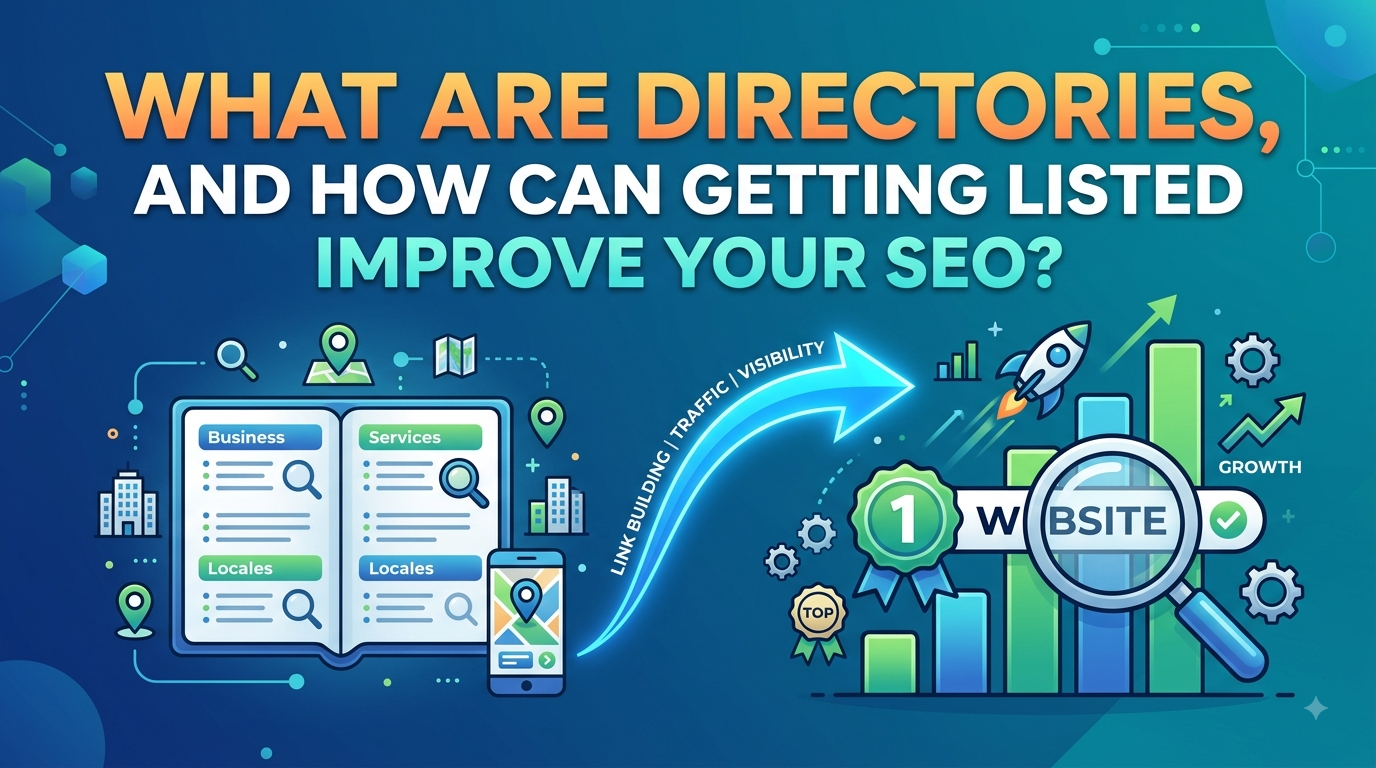
When another website includes a hyperlink that points to your website, that link is called a backlink. Link building is the practice of earning, cultivating, and sometimes actively pursuing those backlinks from other sites across the internet.

Search engines like Google have, since their earliest days, treated these incoming links as votes of confidence. The reasoning is straightforward: if a reputable, well-regarded website links to your page, it is implicitly telling its own readers — and the search engine — that your content is worth their time. The more of these votes you accumulate, particularly from sources that are themselves trusted and authoritative, the more credible your own site appears in the eyes of the algorithm.

This credibility directly influences where your website appears in search results. A business with many high-quality backlinks will, all else being equal, rank higher for relevant search terms than a business with few or none. And higher rankings mean more people finding you when they’re actively looking for what you sell.

Why It Matters If You’re Selling Something

If you’re promoting a product or a service, visibility is everything. You could have the finest product in your category, priced fairly, presented beautifully — and it means nothing if the people who want it can’t find you. Most people begin their search for a product or service with a search engine, and most of those people click on results from the first page. If you’re not there, you’re functionally invisible to a vast portion of your potential customers.This is why businesses invest in search engine optimisation, and link building is one of the most powerful levers within that discipline. It’s the difference between a shop on a busy high street and the same shop tucked down an alley with no signs. The product might be identical. The foot traffic won’t be.

Beyond raw search rankings, links from respected websites carry their own direct value. When a well-known industry publication, a popular blog, or a trusted review site links to your business, their audience follows. Those readers arrive at your site already primed to take you seriously, because a source they already trust has pointed them your way. That warm introduction is something paid advertising rarely achieves as naturally.

The Difference Between a Good Link and a Bad One

Not all backlinks are created equal, and this is where many businesses go wrong. A link from a major newspaper, a respected trade journal, or a widely-read blog in your industry is worth far more than a hundred links from obscure, low-quality directories that exist purely to host links. Search engines are sophisticated enough to tell the difference, and they reward accordingly.

Worse, certain link-building practices can actively harm your rankings. Buying links in bulk, participating in link schemes, or stuffing your brand into irrelevant comment sections are tactics that search engines have become adept at detecting and penalising. What looks like a shortcut often turns out to be a trap. The businesses that build lasting search presence do so through links they genuinely earned — by producing content worth referencing, by building relationships with people in their industry, and by offering real value that others want to share.

How Businesses Actually Build Links

The most durable link-building strategy is also the most intuitive: create things that deserve to be linked to. This means writing articles that answer questions your customers are genuinely asking. It means publishing research or data that other people in your field will want to cite. It means producing guides, tools, or resources useful enough that bloggers and journalists naturally reach out to them when writing about your topic.

Beyond content, relationships matter enormously. Guest writing for industry publications, being quoted as an expert source in relevant articles, collaborating with complementary businesses on shared projects, and earning coverage through genuine public relations work are all ways that links accumulate organically over time. None of it is fast, and none of it is guaranteed — but all of it compounds. Every quality link you earn makes the next one slightly easier to get, because your site becomes more credible with each one.The Long GameLink building is not a campaign with a start and end date. It’s an ongoing commitment to building your reputation on the internet the same way you’d build it anywhere else — by doing good work, being visible in the right conversations, and earning the trust of people whose trust is worth having.

For anyone serious about promoting a product or service in the long term, this is not optional background noise. It is one of the fundamental pillars of being findable by the people who are already looking for exactly what you offer. The businesses that treat it seriously, and invest in it patiently, tend to find that search becomes one of their most reliable and cost-effective sources of new customers. The ones that ignore it often find themselves perpetually dependent on paid advertising — paying for attention that a well-built reputation would have delivered for free.The internet is not so different from any other community. People follow recommendations. Authority is earned. And the businesses that others point to with confidence are the ones that thrive.